





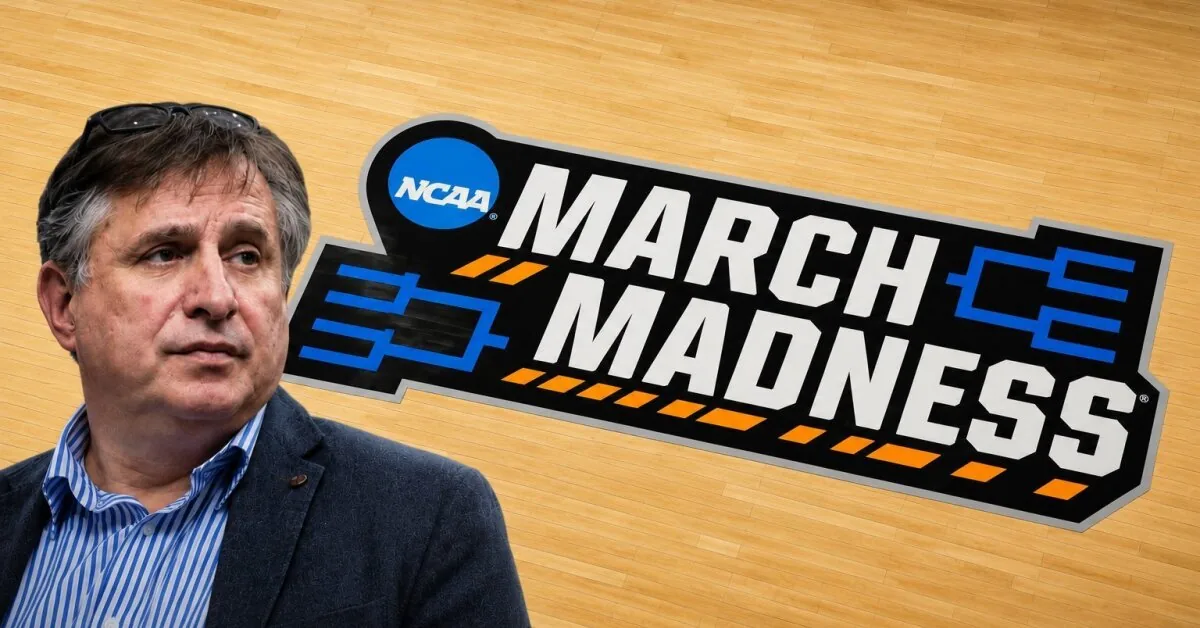
NCAA athletes were not always allowed to earn money from their athletic abilities. It was only in 2021 that the league changed the rules and allowed students to earn income from their name, image, and likeness (NIL).
Read more This country is the fastest growing tourist destination in Europe: hurry to visit
Since then, the salaries of young basketball players have skyrocketed. There is a lot of speculation in the media about how much U.S. universities are willing to pay athletes coming from Europe. Their salaries are life-changing.
For example, according to Eurohoops, LSU University offered 5 million USD annually to Yam Madar, the point guard of Tel Aviv’s Hapoel club.
- According to On3.com portal, the highest NIL incomes are earned by Milan Momčilović and Flory Bidunga (6 million USD each).
The same portal also reported that the same university offered Istanbul’s Fenerbahçe forward Tarik Biberović as much as 7 million USD per year. However, both players said “no” to these offers.
Meanwhile, Nigerian big man James Nnaji was drafted in the 2023 NBA draft but, after failing to find his place in three teams over several years and not officially debuting, he returned to Europe, and from there… to the NCAA.
As of July 30, 31 Lithuanians will play in the NCAA league, and three more are compatriots born and raised abroad (Nedas Cholevinskas, Vince Buzelis, and Rytis Petraitis).
However, athletes who go to the NCAA do not always establish themselves in the NBA or Europe. Some end their careers and, having received education at prestigious universities, continue their lives without professional sports.
This migration of basketball players across the Atlantic makes European basketball academies shrug their shoulders, as it is practically impossible to replicate the conditions that the NCAA can offer.
Read more A 4.7 magnitude earthquake occurred near Naples
But there are more reasons why young European basketball players choose to move to the U.S. In an interview with Virginijus Bulotas, 15min explored these reasons in more detail.
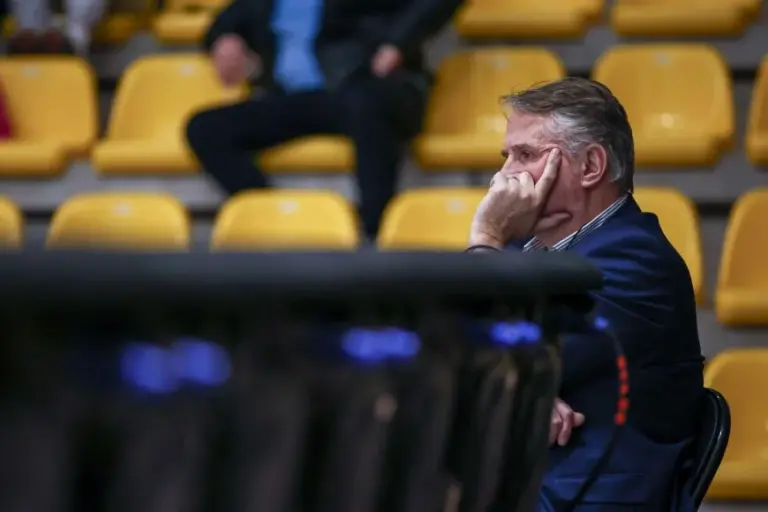
“They are interested just in the opportunity to get in, because working under such conditions… In the nineties, I was not a supporter of that and said that we just throw a person into the sea and he has to swim out himself. Now you get not only a boat and oars but also an engine,” said V. Bulotas to 15min.
He is currently actively working with young talents. As he said himself, his current job is to be a bridge between NCAA universities and players. Teams contact him, and V. Bulotas thoroughly analyzes the players’ games.
Having a close view of the transitions and contacts between universities and players, the scout revealed behind-the-scenes details to 15min readers and explained the reasons for such huge salaries.
“The principle is like the NBA, only here there are not 30 teams but over 300 in the first division. Not all are of the same level and opportunities.
However, when I visited the best universities and saw all the conditions, it was hard to comprehend. The conditions created there are simply out of this world,” the scout began the conversation.
The conditions created there are simply out of this world