









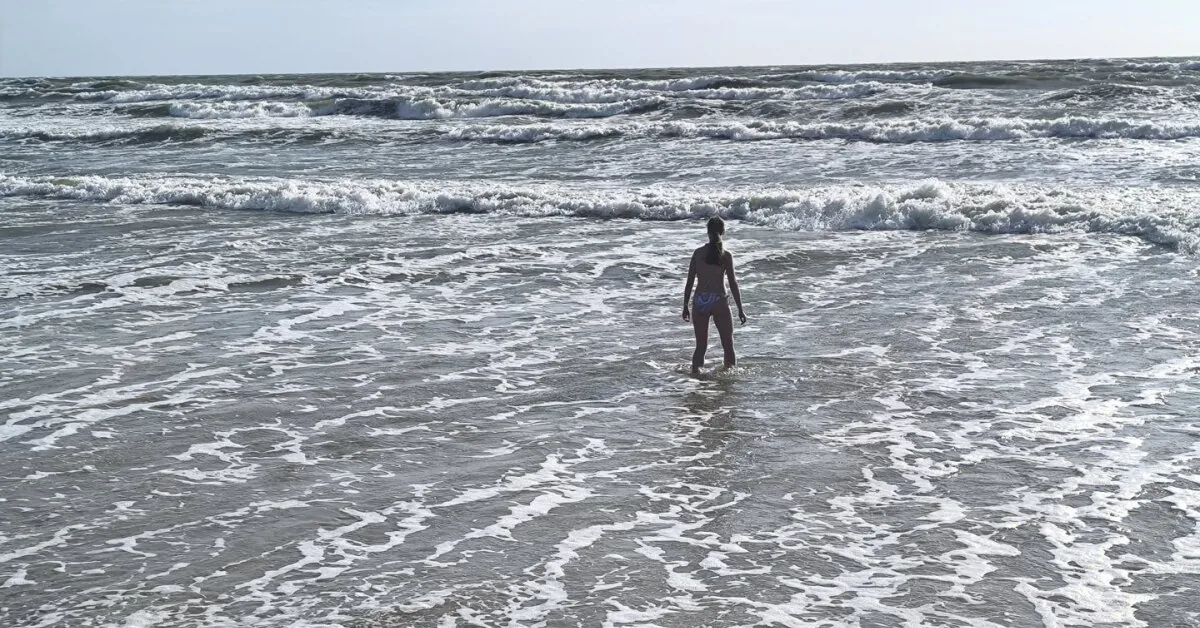
Should bathing in the Baltic Sea be avoided due to vibrio bacteria, who is most at risk from these bacteria, and in what cases is it better not to enter the water?
Read more The baby death that shocked Lithuania drew attention to a rare disease: what is Patau syndrome?
What are vibrio bacteria and is it safe to swim when they are present in the sea?
According to Aušra Valaikienė, advisor at the Infectious Diseases Management Department of the National Public Health Center (NVSC) under the Ministry of Health, vibrio bacteria (bacteria of the Vibrio genus) are naturally found in marine and brackish water environments. They multiply especially well in warm, less saline water, which is why they are found in the Baltic Sea during summer.
According to the specialist, swimming in the sea is safe for most healthy people, but there is a higher risk for people with open wounds, weakened immune systems, or certain chronic diseases.
The highest risk of severe vibriosis occurs in:
- people with open wounds, cuts, or skin injuries;
- elderly individuals;
- people with chronic liver diseases;
- people whose immune system is weakened due to illness or treatment;
- individuals with other serious chronic diseases.
Swimming in the sea is safe for most healthy people, but there is a higher risk for people with open wounds, weakened immune systems, or certain chronic diseases.
Why are vibrio bacteria especially dangerous for older people?
In older age, the immune system often does not function as effectively, and older people are more likely to have chronic diseases. Because of this, the body has a harder time fighting infection, which can progress faster and cause more severe complications.
People who should be most cautious and avoid such swimming include those suffering from:
- chronic liver diseases (e.g., liver cirrhosis);
- diabetes;
- oncological diseases;
- diseases or conditions that weaken the immune system;
- and those taking immunosuppressive drugs.
People with open wounds, fresh surgical incisions, tattoos, pierced ears, or other skin injuries should also avoid swimming.
If avoiding swimming is not possible, wounds must be covered with a waterproof dressing, and after swimming, they should be thoroughly washed with clean water and soap.
Read more Reported where Kazimira Prunskienė will be buried: there will be a state funeral
How do vibrio bacteria enter the human body?
Infection usually spreads in two ways:
- by consuming raw or insufficiently cooked seafood, especially oysters;
- bacteria entering the body through open wounds while swimming in contaminated sea or brackish water. Less commonly, infection occurs by accidentally swallowing sea water.
What symptoms can a vibrio infection cause?
Symptoms depend on the mode of infection. Eating contaminated food usually causes watery diarrhea, abdominal pain, nausea, vomiting, fever, and chills. Bacteria entering through a wound can cause skin redness, swelling, severe pain, pus formation, and in some cases, ear infection. Untreated infection can lead to blood poisoning (sepsis) or other severe conditions.
Why did the vibrio season start earlier this year?
The main reason is the earlier than usual warming of the Baltic Sea water. Vibrio bacteria multiply most actively when the water temperature rises, so with warming summers and longer warm water periods, their season starts earlier and can last longer.
According to an NVSC specialist, rising water temperatures create increasingly favorable conditions for Vibrio bacteria to multiply. Due to its low salinity, the Baltic Sea is one of the most favorable European seas for these bacteria, so their concentration can increase during warm summers, raising the risk of infection.
Key recommendations for those vacationing by the Baltic Sea:
- do not swim if you have open wounds or fresh skin injuries;
- if swimming is necessary – protect wounds with a waterproof dressing;
- after swimming, thoroughly wash skin and wounds with soap and water;
- monitor the condition of wounds for several days after swimming;
- people in risk groups should carefully assess the need to swim in warm sea water.
According to specialists, you should see a doctor as soon as possible if after swimming you experience:
- redness, increasing pain, swelling, or pus at the wound site;
- fever or chills;
- watery diarrhea, nausea, or vomiting after consuming seafood or swallowing sea water;
- rapidly spreading skin lesions, blisters, or severe general weakness.
People with chronic liver diseases, weakened immune systems, or other serious comorbidities are advised not to delay seeking medical help, as infection in these groups can progress very quickly and cause life-threatening complications.
Read more Former VASA employees were fined 110 thousand euros by the court for fraud and abuse