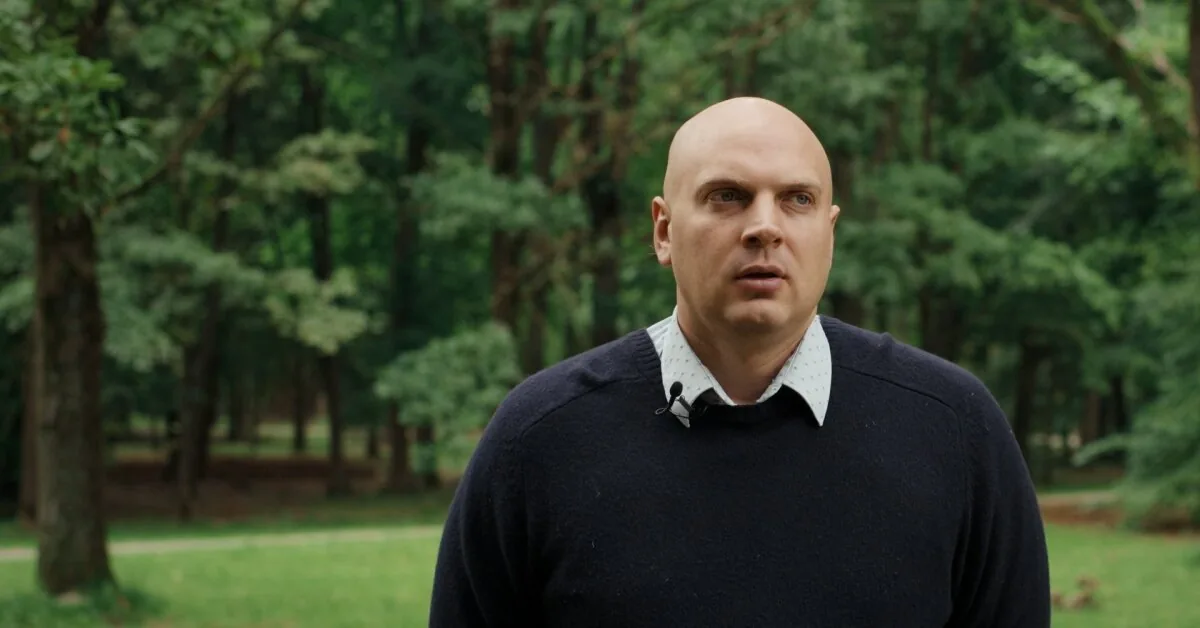
The tragicomic drama about the suffering of a young creator amid the anticipation of the Third World War was helped to be created by Lithuanians – film producer Kęstutis Drazdauskas reveals the behind-the-scenes journey to international screens.
Read more Study choices in Lithuania still differ by gender: revealed a significant gap
K. Drazdauskas (“Artbox”) says that this is a film about the desire to create under any circumstances, about the need to express one’s freedom through creativity. “Communicating with Belarusians working in the film industry who have left their country, I experience a strange feeling that takes me back to 1988-1992. These people’s eyes are burning, they believe in their freedom and independence. They know very well which side of the barricades they stand on, what is good and what is bad, and their most important goal is to have the freedom to express themselves.”

“So although the film ‘Teodoro Ozieravo Swan Song’ is primarily about the freedom of creativity, the director J. Semaško also very tastefully weaves in many multilayered political metaphors. This drama does not mention specific place names and the country where the action takes place is not directly named, but the viewer recognizes the context, the totalitarian feeling, and the madness of the world on the brink of self-destruction,” the producer says.
Laughter on the brink of the end of the world
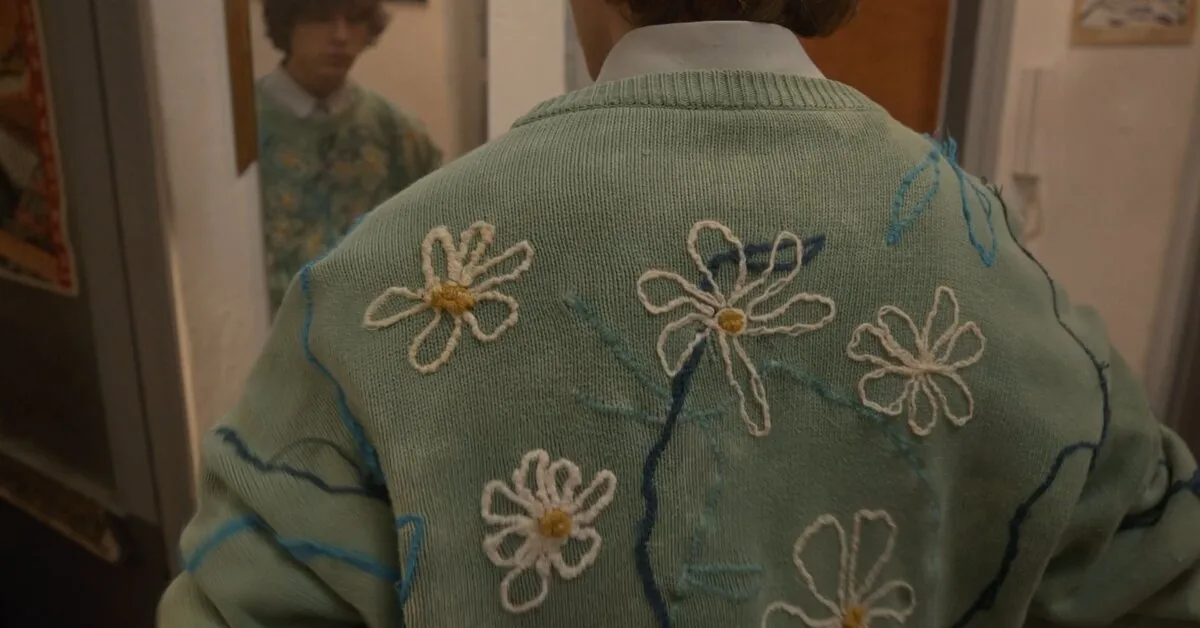
The tragicomic suffering of a musician searching for a lost sweater that brings inspiration, while the world counts its last days, is accompanied in the film not only by drama but also subtle humor. K. Drazdauskas smiles that although humor in cinema is one of the hardest things to “travel” and be understood across international audiences, ‘Teodoro Ozieravo Swan Song’ managed to make viewers laugh and be fascinated from Germany to South Korea.
“At the film’s world premiere in 2025 at the Berlin Film Festival, in a packed hall, people laughed exactly at the places the director had planned. Later the same happened when showing the film in South Korea and elsewhere, so its humor is universal, catching regardless of nationality or country context. We felt interest in the film from various countries – we received many invitations not only in Europe but also in Mexico, India, Japan,” the producer talks about the international success of ‘Teodoro Ozieravo Swan Song’.
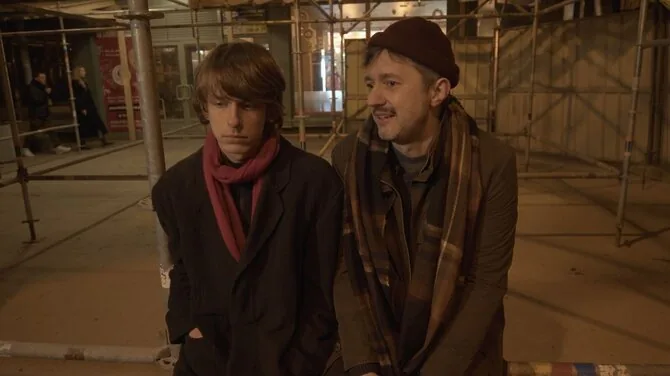
However, the road to this success was difficult – the film might not have been made, and Lithuanians significantly contributed to its creation and the premiere at the Berlin Film Festival that determined much.
The road to a prestigious premiere
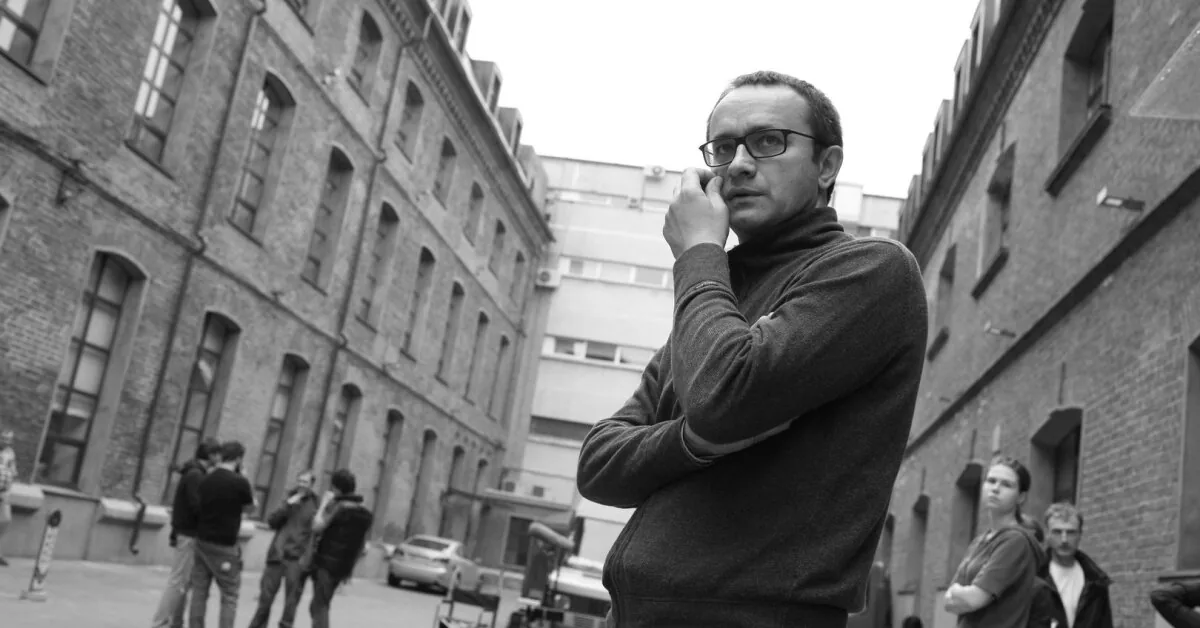
K. Drazdauskas says that the film’s creation was first determined by the efforts of Belarusian producer Leonid Kalitenya working in exile to gather and encourage independent creators from Belarus scattered across Europe who fled.
“Leonid started an initiative to help these creators, who have no financial or institutional support, to be seen worldwide – he gathered a small fund and announced a film script competition with an international jury. The script of ‘Teodoro Ozieravo Swan Song’ read in this competition immediately impressed me,” recalls the Lithuanian producer. He offered to help the director finish the film if he really managed to shoot it with an incredibly small budget.
“And he did! Gathering a community of artists and actors who fled Belarus and live in Warsaw, filming in acquaintances’ apartments, borrowing equipment, and working not only as a director but also in many other roles himself, he shot a film, excerpts of which, when shown to representatives of the Berlin Film Festival, aroused their interest,” says K. Drazdauskas, who himself invested in the film’s post-production and persuaded German producers to join.
Read more Arizona strategist who lost to the reserve team spoke about the upcoming match in Alytus
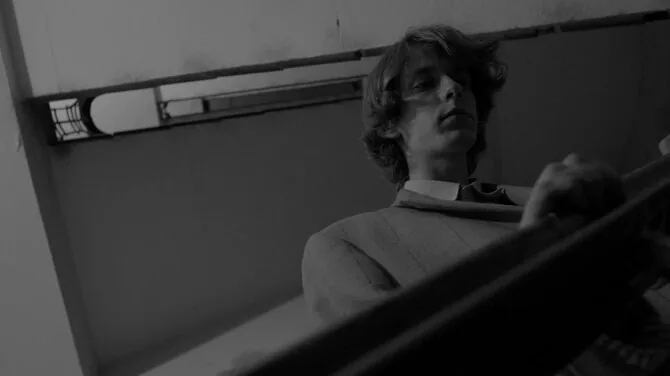
“Joining forces, we finally celebrated the premiere at the prestigious Berlinale,” the Lithuanian producer rejoices. The film competing in the Berlin Film Festival’s “Forum” program won the readers’ jury award of the newspaper “Tagesspiegel.”
Belarusian cinema
K. Drazdauskas says he had no political fears about contributing to a Belarusian film. “These people have fled the regime, some of them have been imprisoned there, and if they returned, they would be imprisoned again. I think the independent Belarusian perspective and creativity are very much lacking now, and it is precisely the people who have left the country who are probably the only ones who can do it – they just need to be empowered at least a little.”
The producer admires the burning desire to create of Belarusian director J. Semaško and his team. “These people want creativity so much and have so much to say that under very modest conditions, as if from nothing, they manage to produce an expression that fascinates an international audience. To be honest, those limited resources even made ‘Teodoro Ozieravo Swan Song’ unique. Take the film’s music – so ‘green,’ unpolished, but how much soul and sincerity is there! I had missed that.”
About the director
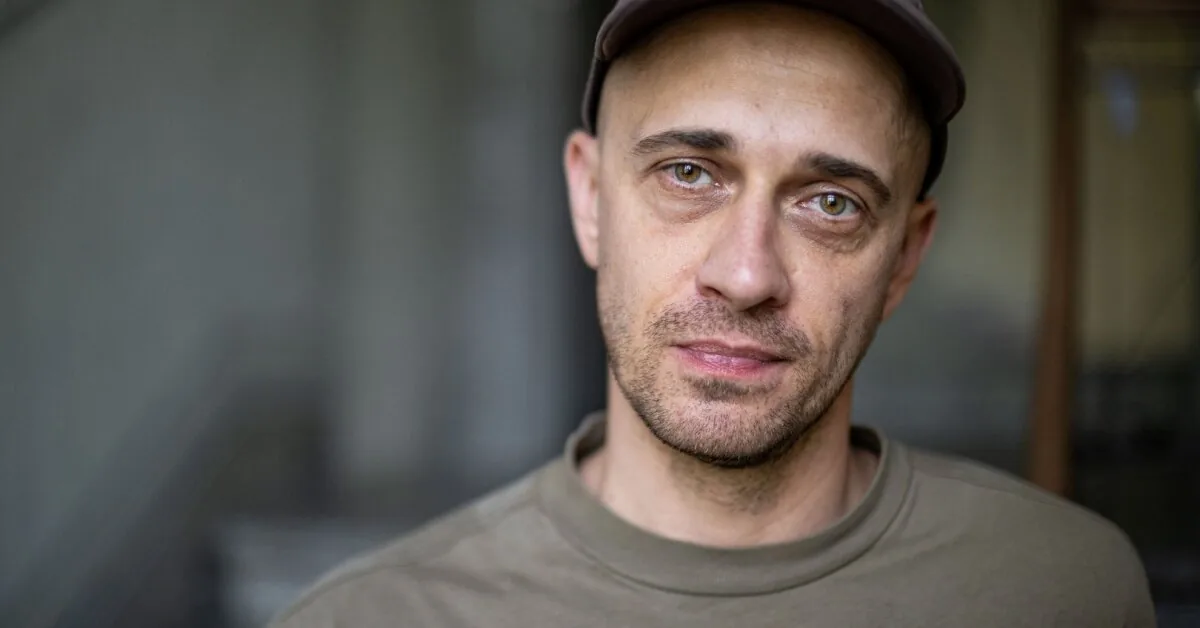
‘Teodoro Ozieravo Swan Song’ is the first feature film by Belarusian director Jurijus Semaško. He learned filmmaking independently – creating low-budget short films with his own funds, without cooperating with state institutions.
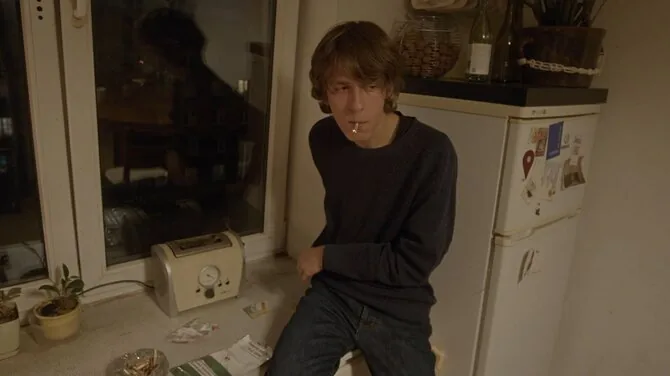
In 2022, as repressions against cultural representatives and many cultural institutions intensified in Belarus and the regime declared them extremist, it became dangerous for creators to participate in international film-related events.
So after showing J. Semaško’s short film “Garbage Head” (“Šiukšliagalvis”) at several European film festivals, the director had to move to Poland for his safety. There, together with other Belarusians who fled abroad, he filmed ‘Teodoro Ozieravo Swan Song.’
In 2025, after the film’s premiere at the Berlin Film Festival, the director applied for international protection in Poland and is still awaiting a decision. Meanwhile, repressions against independent filmmakers in Belarus continue to intensify.
Read more Advance payments have started to be made to farmers: what is important to know?