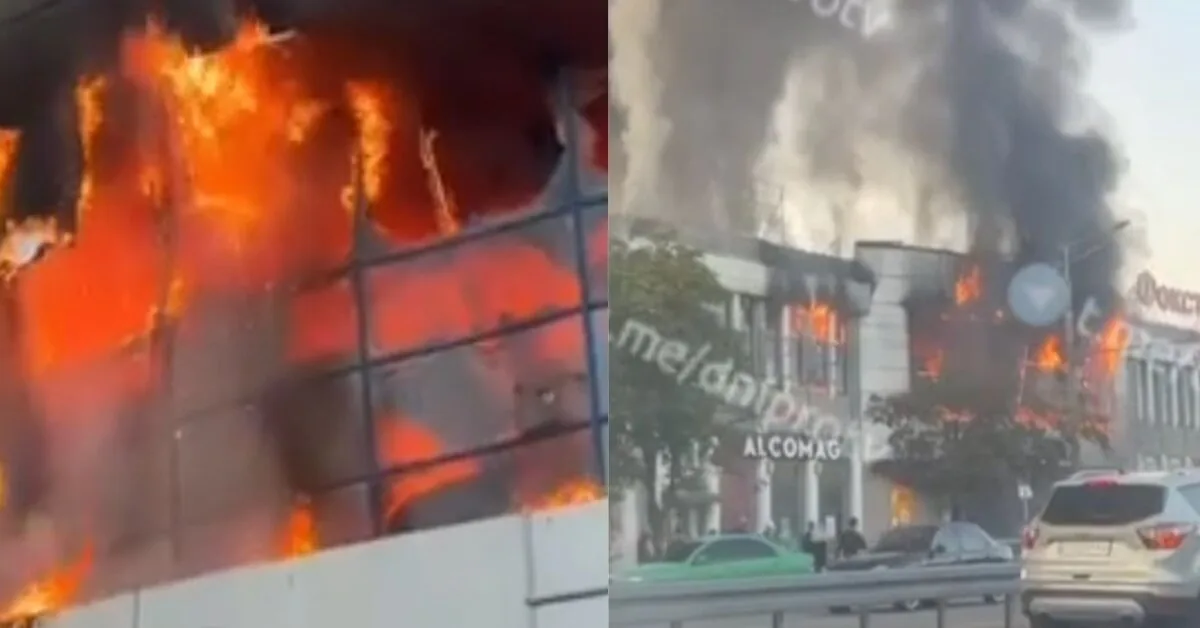
As reported by Bloomberg, the Kremlin’s new tactic has further complicated Kyiv’s situation – disrupting logistics and the work of state institutions, as well as increasing the risk of civilian casualties.
Read more JAV court continues to block Donald Trump’s attempt to restrict mail-in voting
“All this, with the cold weather approaching, further lowers people’s morale and makes many – especially mothers with small children – consider whether they should leave the unprotected city or even the country,” the publication emphasizes.
According to official city data, in the seven days up to September 2, air raid sirens sounded 74 times in the Ukrainian capital, with the total duration of warning signals reaching 63 hours, Bloomberg reports.
Residents of Kyiv and other cities had already established a certain routine during the war – enduring night attacks and returning to normal life during the day. Now they have to adapt again – living from one warning signal to another, going for walks less often, and spending nights in metro stations.
All this is happening against the backdrop of ongoing attacks on Ukraine’s energy infrastructure. Many Ukrainians hope that last winter’s scenario will not be repeated, or perhaps even on a larger scale.
“Although Russia is now using fewer ballistic missiles and switching to jet drones, this could be even worse for Ukraine if it means that Moscow is stockpiling missiles for the colder months. The goal will be the same as before – to destroy Ukraine’s energy and heating infrastructure and make its cities increasingly unlivable.”
Read more Gastroenterologist: these 3 colon cancer symptoms mislead many people
Understanding that the new Russian mode of operation could paralyze relatively normal life and economic activity in major cities, Ukrainian President Volodymyr Zelensky announced that the government is adjusting security protocols.
Among the planned measures is the introduction of a two-level threat warning system, which would allow distinguishing drone attacks from missile strikes posing a more serious threat. At a lower threat level, companies and state institutions would be allowed to continue working.
What awaits Kyiv in winter?
UNIAN previously reported that aviation expert Konstantin Krivolap predicted that possible Russian strikes on Kyiv’s bridges would not cause transport collapse in the city, even if occupying forces managed to damage one or several crossings over the Dnipro.
Ukrainian presidential advisor on defense technology development Serhiy “Flash” Beskrestnov urged Ukrainians to prepare properly for winter now. Among other things, he recommended purchasing generators, portable chargers, and batteries.
Read more Cardiologist names a food product better not to have in your refrigerator