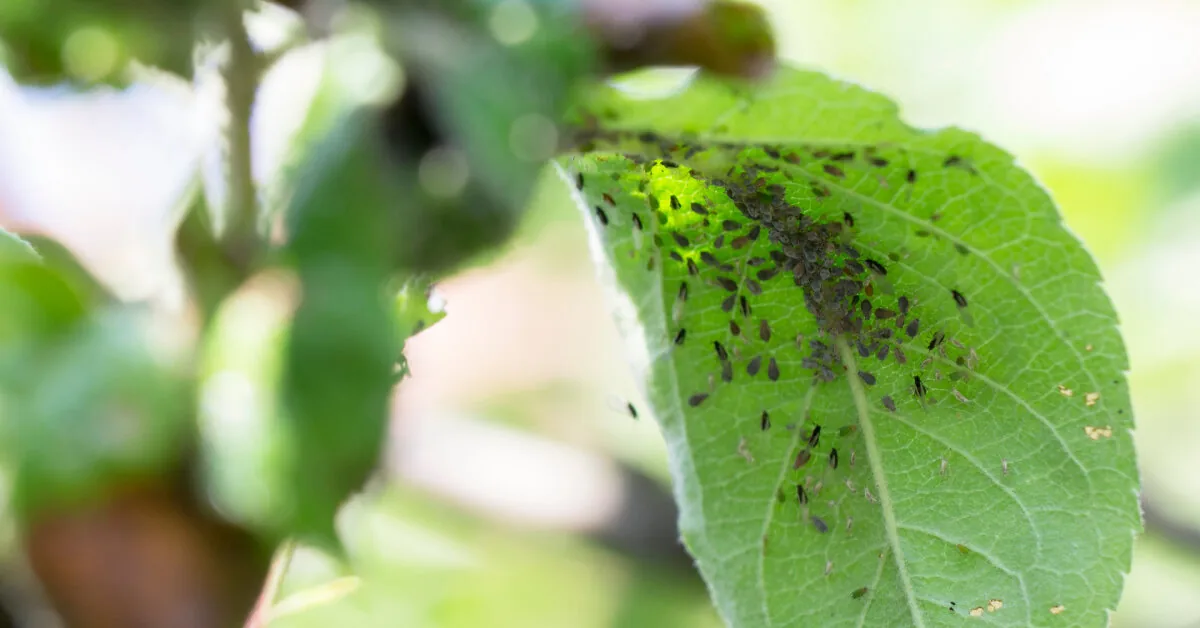
In warm weather, aphids multiply quickly, hide on the underside of leaves, and especially like dense greenery and excess nitrogen in the soil. If you notice sticky deposits or deformed tops, start treatment immediately to stop the spread.
Read more Revived a century-old house in Šilutė: The story of Povilas, father of 6 children, will inspire many
Effective homemade remedies for aphids
To deal with aphids, try these accessible remedies:
Soap solution with ash: Dissolve a tablespoon of household soap and a glass of sifted ash in 5 liters of water. Stir thoroughly and spray the plants. Soap creates a thin film that blocks the insects’ respiratory tracts, while ash dries their coverings and repels pests. Repeat the procedure every 3–4 days until the colonies completely disappear.
Garlic infusion: Chop 3 large garlic heads, pour 1 liter of water over them, and let stand for 2 days in a dark place. Strain, dilute with 10 liters of water, and spray the plants. The pungent essential scent confuses aphids and forces them to leave the bushes, without harming pollinators.
Prevention and agrotechnical measures
For prevention, protective and agrotechnical measures can be applied:
- Plant marigolds, nasturtiums, or dill next to the beds. Their aromas repel aphids and attract ladybugs.
- Regularly remove basal shoots and weeds to deprive pests of shelter and excess moisture.
- If colonies have already spread, wash them off with a strong stream of water early in the morning or hang yellow sticky traps at the level of the plant tops.
Important note: Do not use synthetic insecticides if berries or greens that will soon be on the table are ripening nearby. It is better to choose herbal infusions or mechanical removal.
Using simple methods, spring seedlings can be reliably protected and the harvest preserved without risk to health and beneficial insects.