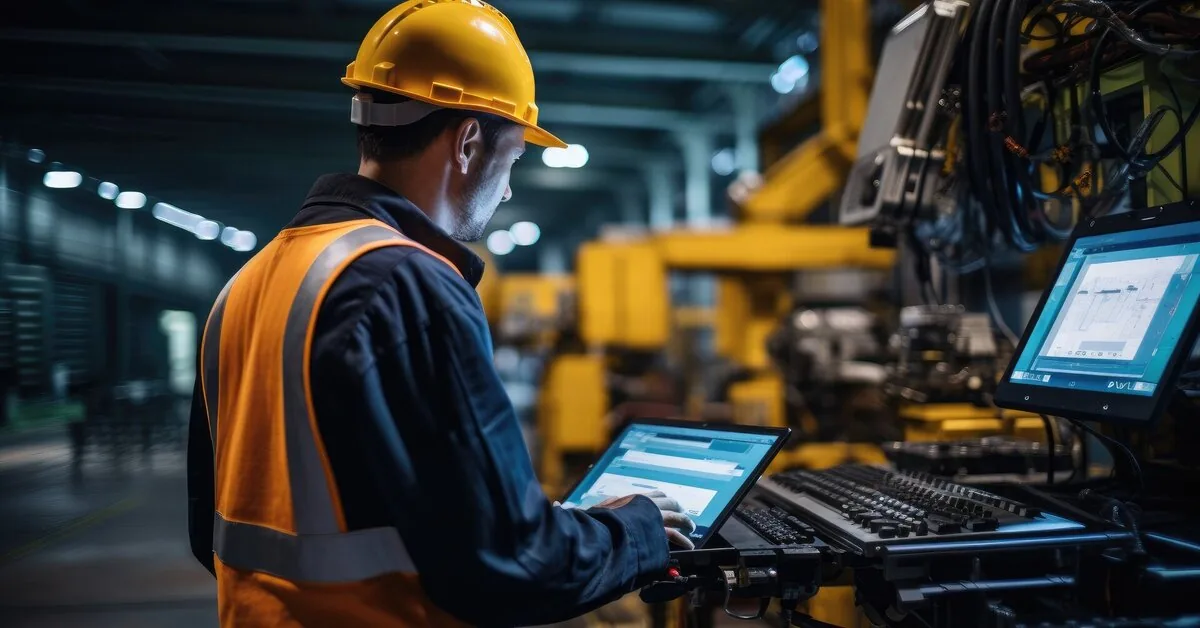
„If I were a high school graduate today, I would choose engineering studies without hesitation. Artificial intelligence can already replace a larger or smaller part of functions in finance, IT, law, or other fields. However, manufacturing is based on real physical processes – equipment, systems, infrastructure. Someone still has to oversee all this, understand it, solve problems, and ensure that production does not stop and runs as efficiently as possible. Technology can help analyze data faster or automate certain tasks, but it will not replace a person who understands the entire process. Therefore, the demand for good engineers will not disappear – on the contrary, it will only grow,“ says G. Puodžiūnas.
Read more The number of suspicious wallet transaction reports received by FNTT has increased to 102 thousand.
People will not disappear – their roles will change
Although fully robotized spaces are often imagined when talking about future factories, G. Puodžiūnas says that in reality, changes will happen much more gradually. According to him, in ten years, we will see more automated processes in beverage production, more advanced data management, and more efficient energy use, but a technological breakthrough that would change the very essence of production should not be expected.
„The biggest change will not occur in the physical processes themselves, but in their management. The level of automation will definitely increase, there will be more data analysis, more automated decisions, more efficient energy use, and more efficient production processes. However, this does not mean that people will no longer be needed in production. Their competencies and responsibilities will simply change,“ he says.
According to the expert, artificial intelligence is already used today in certain areas of beverage production, for example, in quality control. Here, image recognition systems are applied, which help automatically detect discrepancies on production lines.
„It makes sense to automate such processes because it is difficult for a person to watch the same process for hours on end. However, production itself does not disappear because of this – it still needs people who understand the entire system and can make decisions,“ says G. Puodžiūnas.
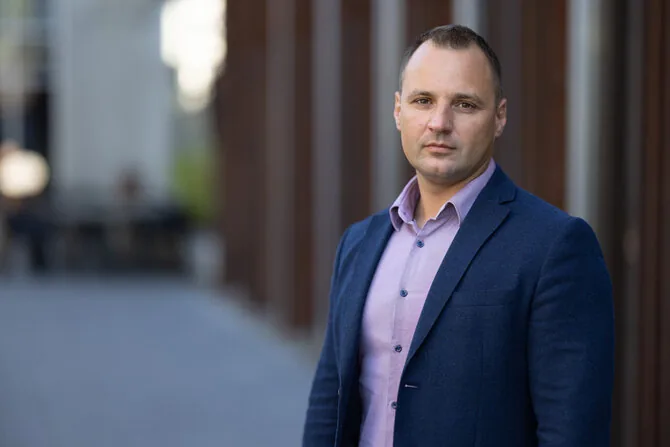
The modern engineer – long ago no longer just a person with a wrench
One of the biggest stereotypes about engineering and the manufacturing sector is the idea that it is monotonous technical work where you only need to maintain equipment. However, in reality, the boundaries of this profession today are much broader.
„An engineer today is long ago not just a person who goes to repair or adjust something. He analyzes data, assesses risks, plans development, looks for more efficient solutions, and ensures that production runs smoothly. Very often, he also participates in the company’s development itself – together with management and production teams, he decides how to expand capacities, what technological solutions will be needed, how much time, resources, or investments will be required to implement them. Today’s engineer must understand not only his specific field but also the technological processes themselves, because without this, it is simply impossible to fully perform this job. It is a very broad profession that requires not only technical knowledge but also critical thinking and creativity,“ he says.
According to the speaker, one of the most important qualities of a modern engineer is also the ability to solve problems creatively.
„It is very easy to get used to the idea that something cannot be done because ‘it has always been that way.’ But practice shows that there are usually no impossible things – there is only the question of whether the solution is rational and whether it pays off under specific conditions. Therefore, it is very important not to be afraid to look for new ways out and to see more broadly,“ says G. Puodžiūnas.
Specialists are already in short supply: companies are finding ways to grow them themselves
Vaiva Vaidelė, HR manager at „MV GROUP Production,“ says that the shortage of engineering specialists in the labor market has long become one of the sector’s most prominent problems.
„Over the past decade, we have clearly seen that the demand for engineering specialists is increasingly growing. And this situation is only getting more complicated. There is a shortage of people in very diverse fields – from mechanics, automation, and electrical engineering specialists to energy engineers, technologists, or quality assurance experts,“ says V. Vaidelė.
According to her, this is precisely why companies today can no longer just wait for specialists to come to the labor market themselves – they actively work with students and young people while they are still studying.
„I remember the times when, as a student, we had to look for internships ourselves. Now the situation is completely different – employers compete with each other, offer internships, and strive to attract the best students, hoping that they will later stay to work and continue their careers in the organization. Various methods are used for this – scholarships, professional mentors, creating practical environments. It is very important for young people not only to do internships but also to really understand whether they like engineering fields and see themselves in them in the future. Therefore, we also strive to create an environment where they can try out this profession practically,“ she says.
Each year, from 20 to 40 students do internships at „MV GROUP Production“ factories in Alytus, Anykščiai, Kaunas, and Šiauliai. The company participates in career days at universities and vocational schools, its representatives give lectures and consult teachers, organize excursions to the „Alita,“ „Anykščių vynas,“ „Stumbras,“ and „Gubernija“ factories for schoolchildren and students, and invite them to get acquainted with production processes up close. According to V. Vaidelė, today young specialists increasingly look not only for stable jobs but also for an environment where they can constantly grow along with technical and technological changes.
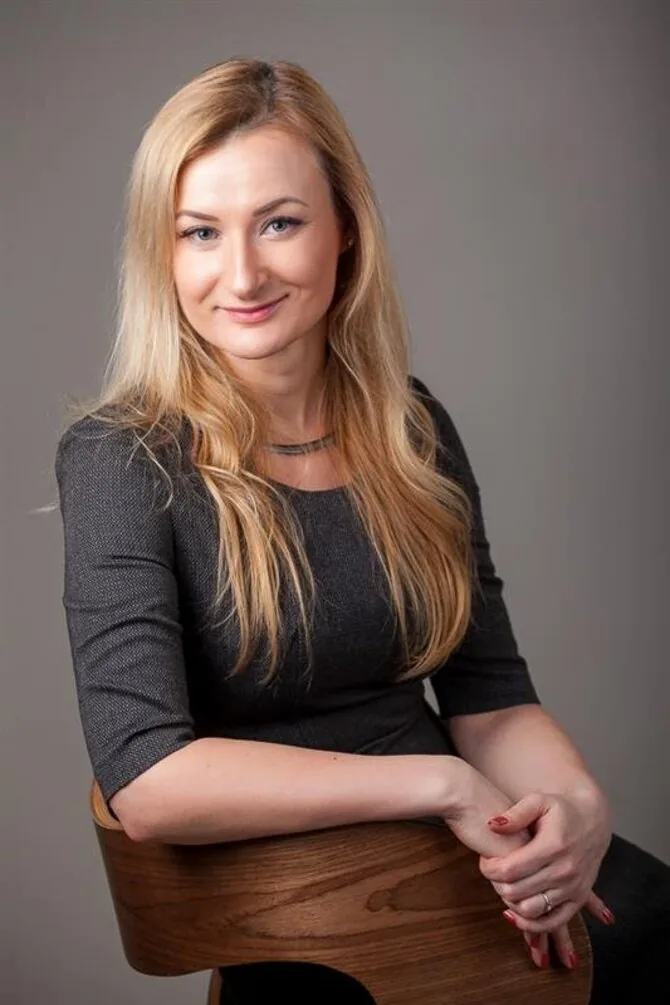
„In modern manufacturing, there is practically no moment when you can say: that’s it, we have reached the final point. Continuous modernization is taking place, new technological solutions are emerging, so people who are not afraid of change and want to grow by initiating and implementing it themselves are highly valued. And today, a career in manufacturing is no longer just vertical – specialists expand their competencies horizontally, learn different processes, and combine several fields. Seeing this need, we try to be flexible: we combine studies with work, provide more learning opportunities, and sometimes contribute financially. We want not only to find a specialist but also to help them grow,“ says V. Vaidelė.
Read more Poland’s school leap: lessons of success and mistakes for Lithuania