








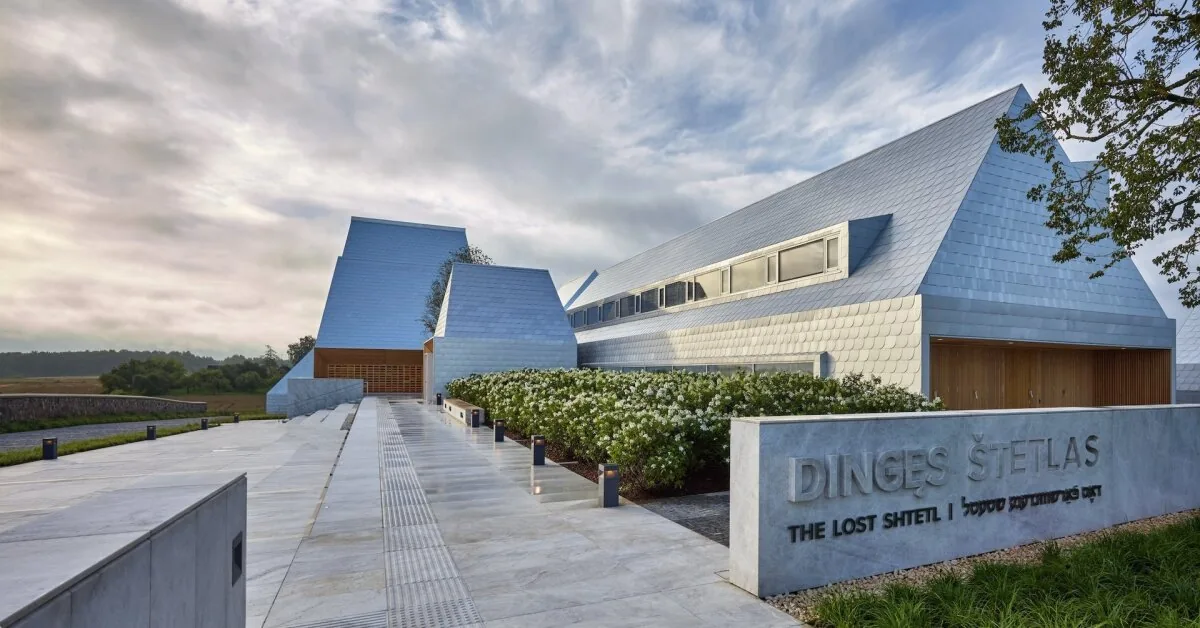
“The Lost Shtetl” tells the story of the Jewish world of Šeduva that existed until the Holocaust – the people, their daily life, traditions, culture, and tragic fate. In its first year, the museum became not only an important cultural and historical space for visitors to Lithuania but also an attraction for guests from abroad: they made up about 10 percent of all museum visitors.
Read more «Yes, the mind became part of American culture»: counterculture pop art creator Peter Max has died
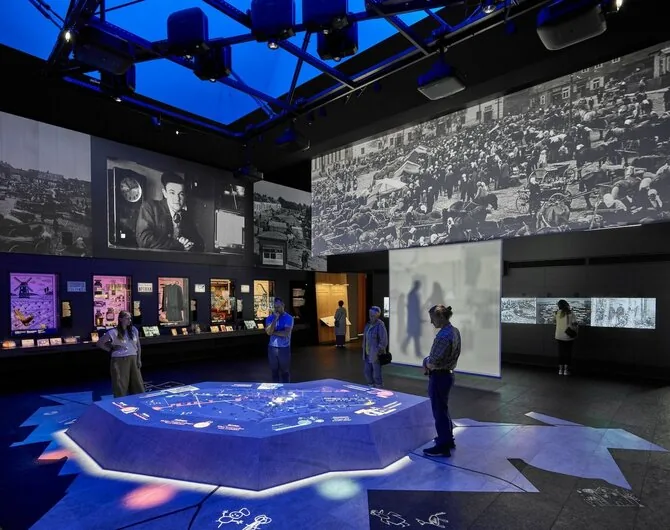
Most guests came from Israel, the United States, South Africa, Poland, Latvia, Finland, the United Kingdom, and other European countries.
More than 25,000 people participated in tours held at the museum over the year, nearly 4,000 attended events, and the number of museum audio guide stories listened to far exceeded half a million.
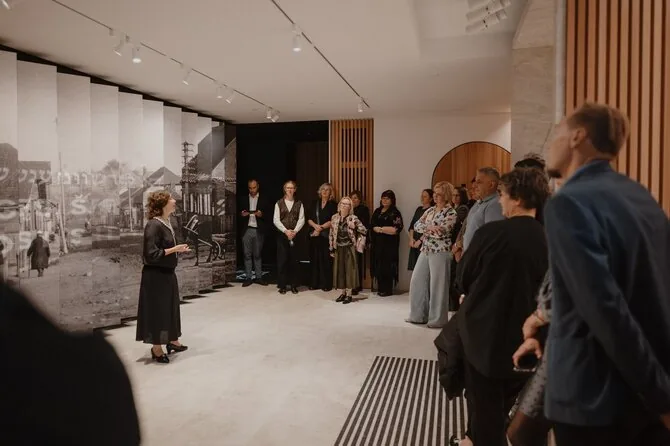
“In the first year, the museum became a place where people come not only to learn about the history of Lithuanian Jews but also to experience it personally – through the fates of specific people, family stories, and details of daily life. More than 100,000 visitors show us that this memory is important and necessary today. We sincerely thank everyone who has been with us, and we want the museum to remain open to as wide an audience as possible, so visiting it will be free in its second year of operation,” says Jonas Dovydaitis, director of the “Lost Shtetl” museum.
Read more “Lufthansa” will fly less frequently between Riga and Frankfurt from December
The year was also marked by international recognition
The first year of the museum’s operation was exceptional not only in terms of visitor numbers. “The Lost Shtetl” received significant attention from the international architecture and design community.
The museum project was awarded the “iF Design Award,” was selected among the prestigious “Prix Versailles” for the most beautiful museums in the world, and is also among the finalists for the “Finlandia Prize for Architecture.”
In the Lithuanian Architects’ Union competition, the “Lost Shtetl” project was also recognized as the best recreational architecture work, and at the “Most Successful Tourism” awards, the museum was recognized as the most successful tourism project in the country for 2025.