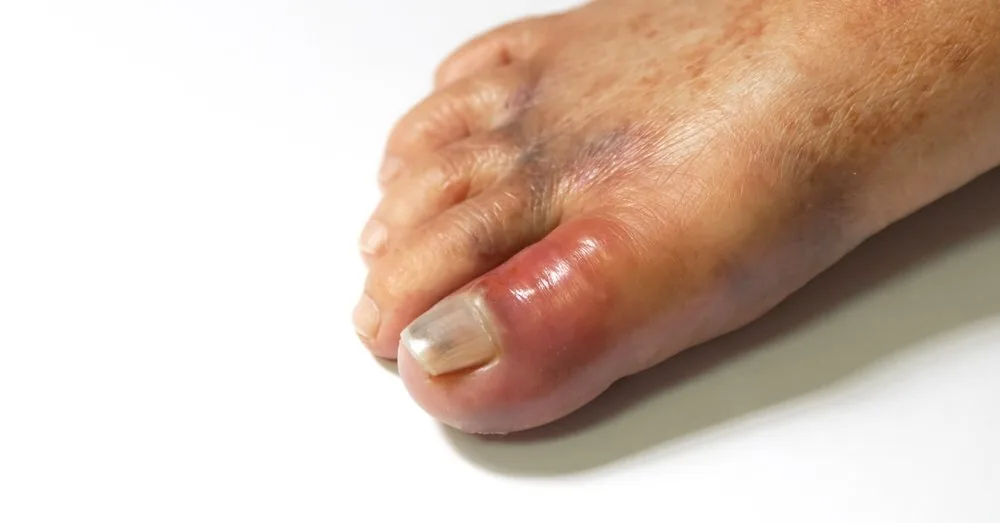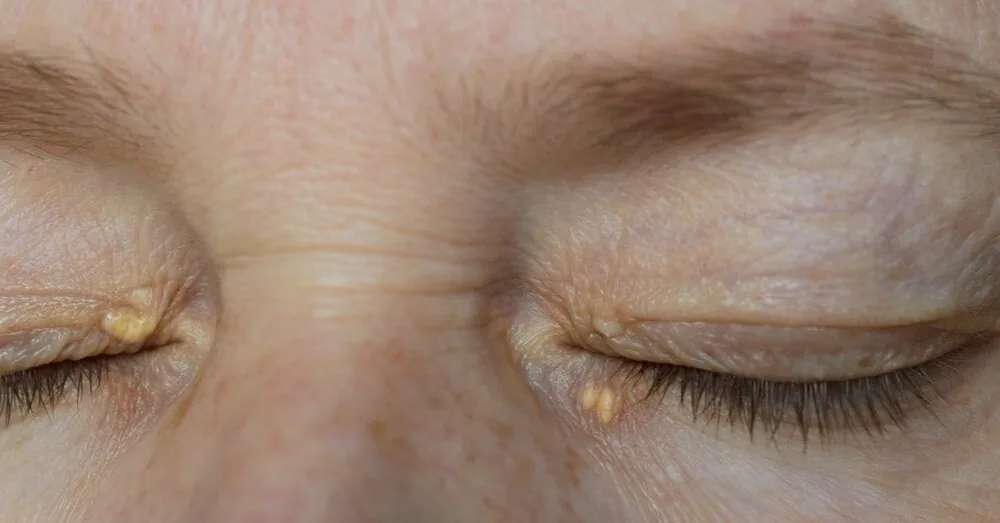
„Neuropathic pain can manifest as burning, tingling, numbness, or even sensations resembling electric shocks. It is important not to ignore such pain and not to wait until it becomes difficult to control – the earlier appropriate treatment is started, the more chances there are to prevent the pain from becoming chronic,“ says Dr. Liuda Brogienė, Head of the Pain Treatment Department at the Anesthesiology Clinic of Kaunas Clinics, in a press release.
Read more ESO: supply finally restored to all users without electricity after the August storm
During Pain Awareness Month, we talk with Dr. L. Brogienė about how to recognize neuropathic pain, what causes it, when to see a doctor, and why pain should not just be endured.
What is neuropathic pain and how can a person recognize it?
Neuropathic pain occurs when the part of the nervous system responsible for sensations – nerves, spinal cord, or brain – is damaged or altered due to disease. Simply put, the problem arises not in the tissues themselves, as in a bruise, but in the nervous system that transmits pain information.

People usually describe such pain as burning, aching, resembling an electric shock or a sudden stab. It can be accompanied by tingling, “ants crawling,” numbness. Sometimes the skin becomes so sensitive that even a light touch causes pain. The pain can be constant or occur in attacks, often felt in the area of the affected nerve.
What most commonly causes neuropathic pain?
There can be many causes. Neuropathic pain can occur in diabetes, after shingles, stroke, due to cancer or its treatment, such as chemotherapy. Nerves can also be damaged by long-term heavy alcohol use, vitamin B12 deficiency, or other metabolic disorders.
Neuropathic pain can also arise after surgeries, injuries, or various medical procedures. If the pain lasts longer than three months, it can become chronic, and then managing it can be much more difficult.
Is it possible to reduce the risk of pain becoming chronic?
It is not always possible to completely avoid neuropathic pain, but it is possible to reduce the risk that it will persist and become chronic. One of the most important things is not to endure the pain and not to wait until it becomes difficult to control. The belief “I won’t take medication yet because I can endure it” is not correct, especially when the doctor has already prepared a pain treatment plan.
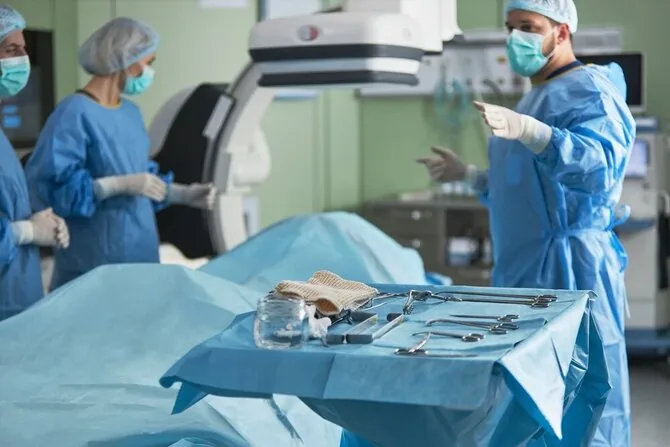
This is especially important after surgeries. Even before the operation, the patient should inform the anesthesiologist about any existing chronic pain, previous painful experiences after surgeries, and pain medications being used. This helps to select the most appropriate pain management in advance.
It is equally important to control diseases that can cause nerve damage. For example, good control of diabetes is important. If signs of neuropathic pain appear during cancer treatment, they should be reported to the doctor as soon as possible, rather than waiting for them to go away on their own.
Why is it especially important to properly relieve pain after surgery?
Severe pain after surgery is not just an unpleasant sensation. It can make it difficult for a person to breathe deeply, cough, get out of bed, walk, sleep, or eat. This can hinder recovery, increase the risk of complications, and inadequately controlled pain can persist and become chronic.

It is important to understand that the goal of pain treatment is not necessarily to make the person feel no pain at all. The aim is to reduce the pain enough so that the patient can breathe normally, cough, sleep, and, when allowed, get up and move.
Therefore, it is important to report severe or unusual pain after surgery to medical staff as early as possible.
Read more A tough weekend test: will you answer at least 6 out of 10 difficult general knowledge questions?
Can neuropathic pain be reduced without medication?
Non-medication measures are an important part of treatment, but they should not replace the treatment prescribed by a doctor. The best results are usually achieved by combining different methods.
Proper physical activity is important – one should move regularly but avoid sudden movements during acute periods and not try to move “through the pain.” Regular sleep and a comfortable body position are also important, as pain is often felt more strongly when sleep-deprived.

Medications are selected according to the cause and nature of the pain. Treatment of neuropathic pain differs from usual pain treatment, so the doctor may prescribe drugs more familiar to people as treatments for other conditions, such as certain epilepsy medications or antidepressants. There is no need to be afraid of them – these drugs are prescribed because they affect nervous system mechanisms related to neuropathic pain.
When should you already see a doctor about pain?
You should see a family doctor if pain after surgery does not decrease or worsens, lasts longer even though the wound or injury has healed, or recurs constantly.
It is especially important to pay attention if burning, numbness, or tingling appear, if pain interferes with sleep, movement, work, or rehabilitation. You should also consult a doctor if such sensations started after shingles, chemotherapy, or injury. People with diabetes should not ignore burning, numbness, or other sensory disturbances in their feet.
How is neuropathic pain treated?
First, whenever possible, the cause of the pain is treated or controlled. For example, improving diabetes control, treating shingles, correcting vitamin B12 deficiency, addressing postoperative complications or nerve compression issues.

At the same time, the pain itself is treated. Common painkillers do not always work sufficiently for neuropathic pain, so drugs that affect specific nervous system mechanisms may be prescribed. If the pain does not go away, worsens, or becomes chronic, a neurologist or pain specialist consultation may be needed. The specialist, after evaluating the patient’s condition, can adjust treatment or suggest additional pain management methods.
It is important that treatment is individualized – what helps one patient may not be the best for another.
What is the most important thing every person should know about neuropathic pain?
First of all – neuropathic pain is real pain, even if there is no visible wound or other obvious damage. It should not be endured hoping that the body will “get used” to the pain. Pain cannot be trained away.
Severe or unusual pain, especially after surgery, should be reported as early as possible. Regular movement, sleep, and good control of chronic diseases are also part of treatment. However, one should not independently increase, decrease, or stop medications prescribed by a doctor.
If pain begins to interfere with sleep, movement, work, or living a normal life, one should not try to relieve it for a long time with just over-the-counter medications – it is important to see a doctor and find the cause of the pain and the most appropriate treatment.