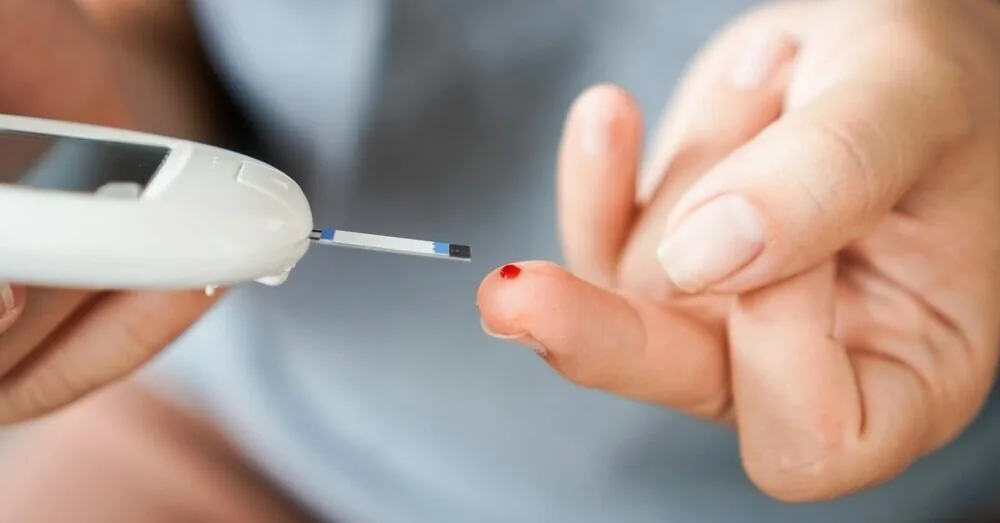
“True, at first, it seemed they noticed not even the creatinine, but the potassium levels increasing. I didn’t feel anything – it was just one of the routine general blood tests. So – after they saw the potassium, they also tested the creatinine,” said the 58-year-old man.
Read more Premier League club noticed Dambrauskas: why did the Lithuanian leave England?
Then Sigitas received a referral to a nephrologist, who was supposed to more closely evaluate the symptoms that caused suspicion. “I was diagnosed with kidney disease immediately. To be honest, I did not expect that at all. After all, I was still working, I thought everything was fine. Then I refused dialysis,” the man recalls.
The speaker remembers that as his health was monitored further, it was clear that the indicators were worsening, potassium was increasing, and doctors warned that if this continued, the heart could stop. “At that time, there was a system where, as long as a person was not on dialysis, they were not prescribed potassium-lowering drugs – the so-called potassium binders. Eventually, I did decide to undergo dialysis, and then the situation started to become a bit frightening,” Sigitas insists.

It became clear that only a kidney transplant could help Sigitas, so he was put on the so-called waiting list. The man says he was lucky in this matter because he received a donor kidney in about a month.
There was no fear
Sigitas admits that he did not feel fear before the operation, he just looked at everything rationally, pragmatically. If such a step is necessary for health, then it must be done.
The first call to come to the hospital, when a kidney donor appeared, Sigitas received from Kaunas. Then the man had to return, but shortly after he received another call – from Santaros Clinics. This time it was decisive. The man underwent a kidney transplant, which was considered smooth, but the recovery process was not easy for Sigitas.
“The situation worsened very quickly and kidney rejection threatened. A virus attached itself, and the necessary antibiotics were not available. I stayed in the hospital for a long time, and after a few months one doctor said that I would finally get the necessary medications.
Read more After the rain, the amusement park was flooded with mud and puddles, but activities continued
Because I stayed in the hospital for so long and the kidney did not take for a long time, the disease returned, but over time the situation was managed. That’s how I’ve been living for all those 20 years,” says Sigitas.
The man, who worked as an engineer, later gradually returned to work after the illness, was in the military reserve, and after the transplant sang for 12 years in the men’s choir “AIDAS” of the Vilnius Garrison Officers’ Club of the Lithuanian Armed Forces. He also joined the activities and community of the association “Gyvastis,” which unites patients who have undergone transplants and their families.
Such life experiences, according to Sigitas, affect every person – they cannot not affect, cannot not think about or not remember.
Asked how life has changed, Sigitas reflects that, on the one hand, he lives like everyone else, but on the other hand, he always keeps in mind the doctors’ recommendations – not to catch a cold, to be careful, because his immunity, like that of all people who have undergone transplants, is suppressed by immunosuppressive drugs.
This is done so that the body does not reject the donor organ, but when immunity is weakened, there is a greater risk of catching viral or bacterial diseases more quickly. These are perhaps the only things that distinguish Sigitas’s life from that of an ordinary person who has not undergone an organ transplant.
Read more Investigation into the death of Norwegian millionaire in Poland discontinued: the cause revealed