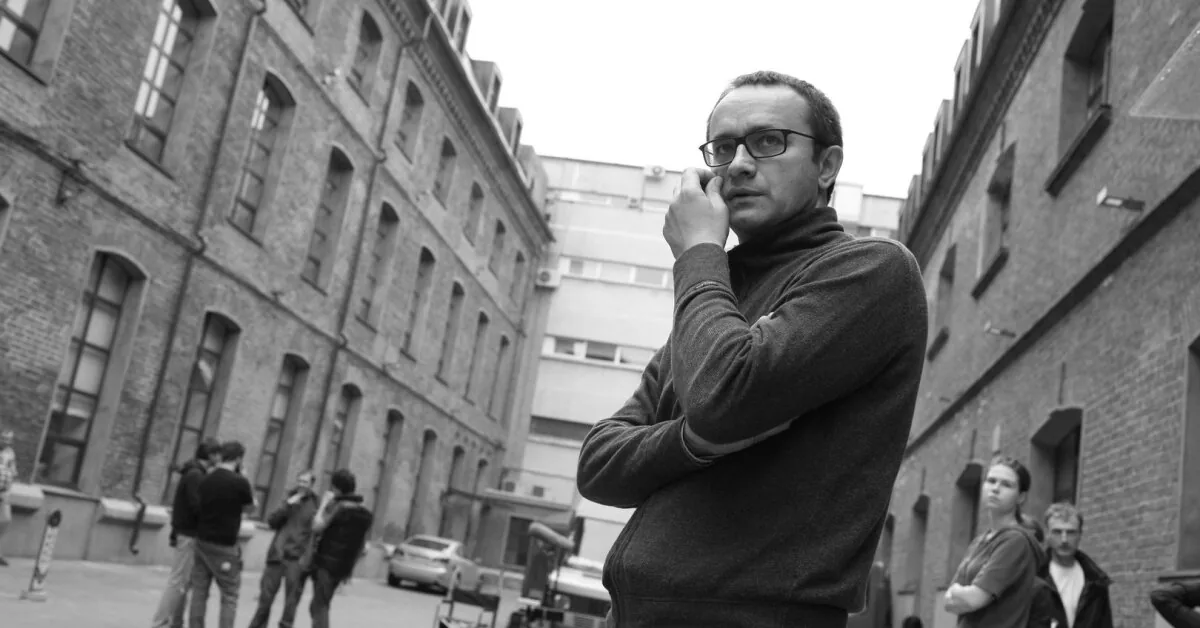
Director S. Loznica, who is exploring the nature of Soviet colonialist ideology for the umpteenth time, vividly reveals a paradoxical phenomenon: the Soviet “empire,” which tried in every way to demonstrate “unity,” ruled essentially heterogeneous worlds – different nations that, having preserved their uniqueness under occupation, could not become an artificially created unit and live long under the same – let alone leaky – ideological roof.
Read more Future «Detono» factory in Naujoji Akmenė recognized as a project of regional importance
“Soviet leaders never admitted that the USSR was a colonial empire. This term was never used in official regime descriptions. On the contrary, they used their influence to support anti-colonial struggles in Asia and Africa. Official rhetoric was based on clichéd statements such as ‘the fight against imperialism,’ primarily directed against the imperialism of other states.
However, it is quite clear that both the USSR at the time and Russia now nurture imperialist ambitions, the consequences of which are still felt today. In 1983, US President Ronald Reagan called the USSR the ‘evil empire’ in his famous speech. That was very accurate,” says director S. Loznica.

The idea for the documentary film “Imperium,” according to him, came after visiting archives in Rome: “By chance, as often happens, I learned about a treasure kept in their archive. From 1970 to 1973, a group of Italian filmmakers traveled through the Soviet Union to document the extraordinary cultural, social, and religious diversity of different nations. This was the largest-scale filming by foreign filmmakers in the USSR. This material is unique not only in scope but also in its perspective.”
According to S. Loznica, the Italian cameramen felt no need to film Soviet symbols of power. Meanwhile, Soviet documentaries, except for rare exceptions, were propaganda films. Special departments and studio editors closely controlled the ideological purity and “correctness” of the films. Therefore, there are not many films that captured people’s lives at that time without ideological bias.
“From the perspective of free people, the filmed material helped reveal the real daily life of the nations living under occupation and their relationship with centralized power.

For example, the film includes an episode that quietly, calmly, and without any drama shows the reality of colonization and the local people’s attitude towards it. As if nothing is happening, yet you clearly see the locals’ relationship to the colonizers,” says S. Loznica.
Read more Qatar: The Persian Gulf region cannot rely solely on the US for security
According to film critic Meredith Taylor, S. Loznica does not aim to give a history lesson or nostalgically reconstruct the Soviet era in the film. The film rather resembles archaeological excavations of the “empire” through the images it survived.
According to the critic, Loznica’s greatest achievement is that he makes the archival material itself ironic. The Soviet Union probably expected that the images filmed by the Italian cameramen would testify to its greatness, but after several decades, the Ukrainian filmmaker turns them into a portrait of imperial pomp and absurdity.
“It is a monumental film about monumental lies – and an extraordinarily vivid cinematic story about people and places that existed beyond it,” writes the critic in the film magazine “Filmuforia.”

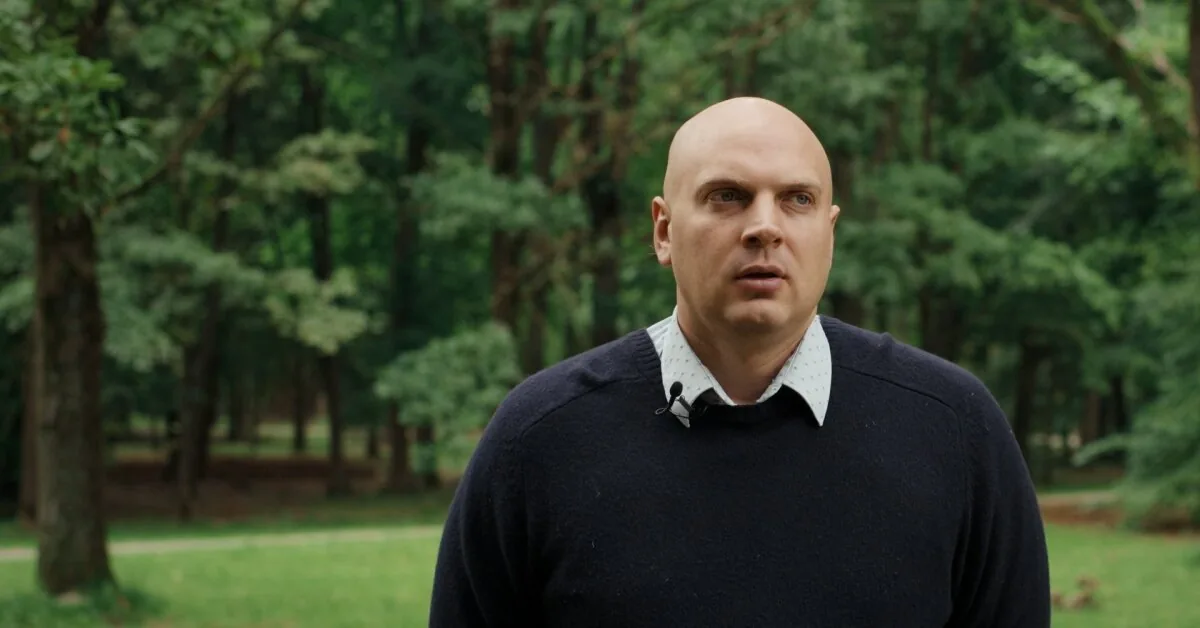
“I think ‘Imperium’ is a very important film today because it shows the nature of Russian policy. The film shows how ideology was used to subjugate the nations of different cultures to the imperial system. With Russia continuing the war against Ukraine for the fifth year, this historical context becomes even more relevant. S. Loznica’s film reminds us that this war is not a random historical episode,” says the film’s producer Uljana Kim.
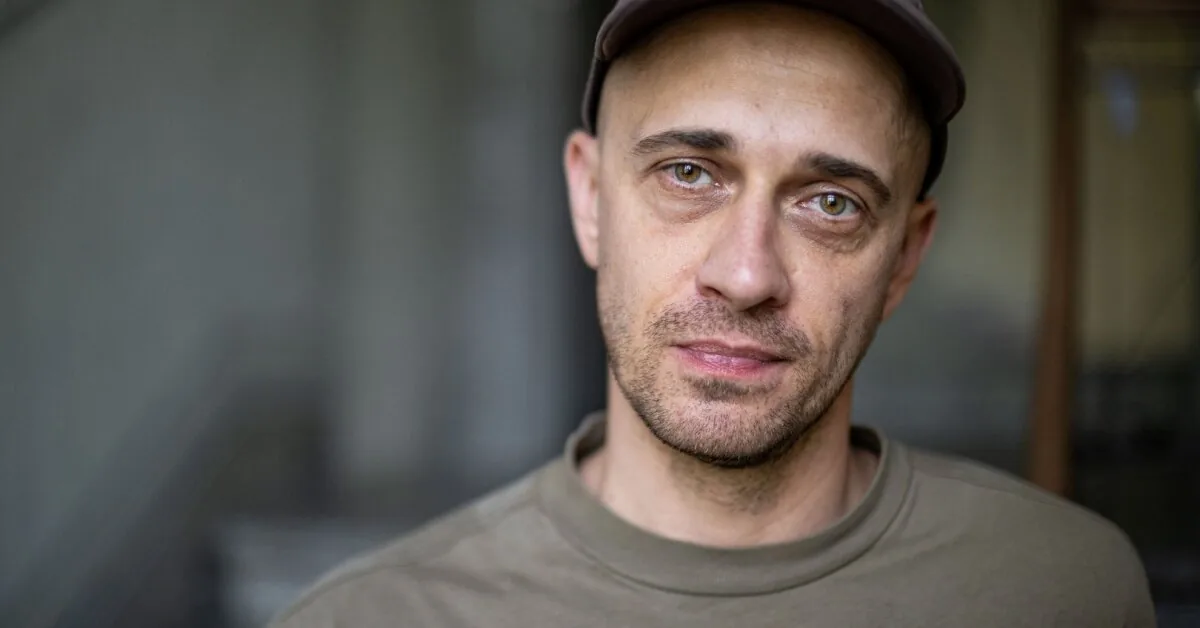
“Imperium” was created in collaboration with filmmakers from Germany, Italy, France, and Lithuania. Lithuanian co-producers are Uljana Kim and Ignas Dilys, sound director – Vladimir Golovnitski, editing directors – Audinga Kučinskaitė and Sergej Loznica, image restorer – Jonas Zagorskas, music design – Vladimir Tarasov.
The film’s production and presentation at the Venice Film Festival were partially funded by the Lithuanian Film Centre.
Read more The Kremlin says it has not ruled out the possibility of trilateral talks with the US and Ukraine