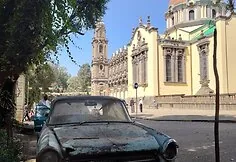
The journey usually begins in Addis Ababa – one of the highest capitals in the world, located almost 2,400 meters above sea level, so even near the equator, you have to look for a sweater at night. The city lives at two speeds at once: in the Bole district, the most modern neighborhoods are rising, where shops are located at the bottoms of skyscrapers still under construction, while a herd of goats wanders down the street nearby. Merkato market is considered the largest open-air market in Africa, the entire city panorama opens from Entoto Hill, and the last emperor Haile Selassie rests in the Holy Trinity Cathedral – the same one whom Jamaican Rastafarians still consider a deity. But the discovery of Ethiopia begins by flying north from the capital.
Read more Good news for patients: we will receive referrals to specialists faster – what is important to know?
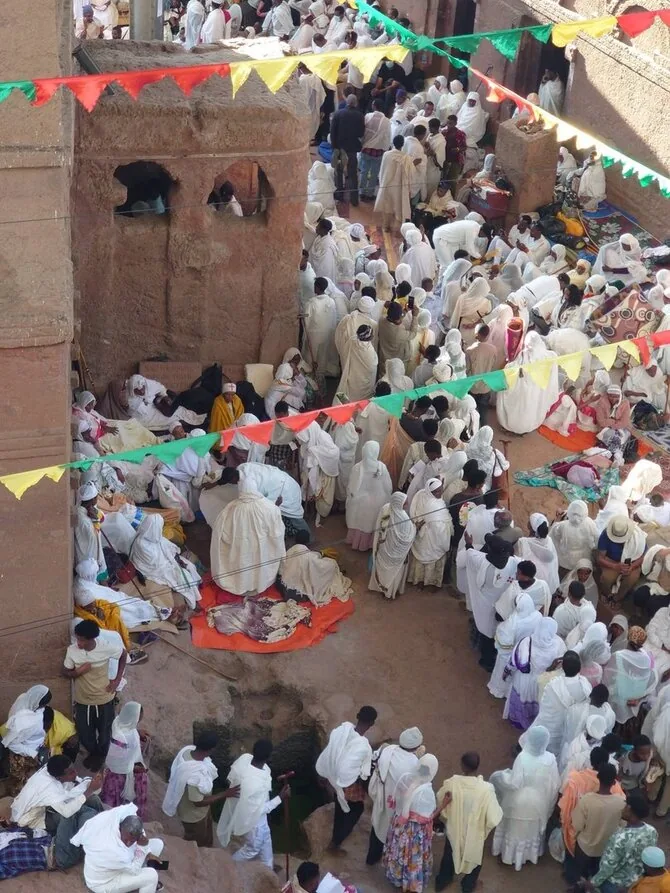
Churches carved not upwards, but downwards
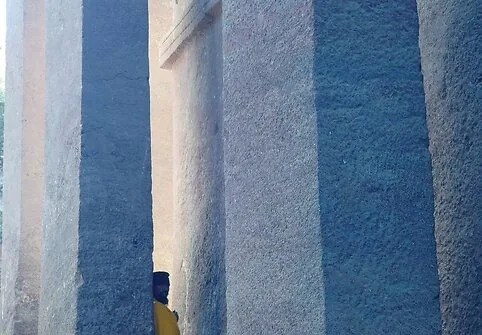
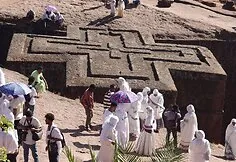
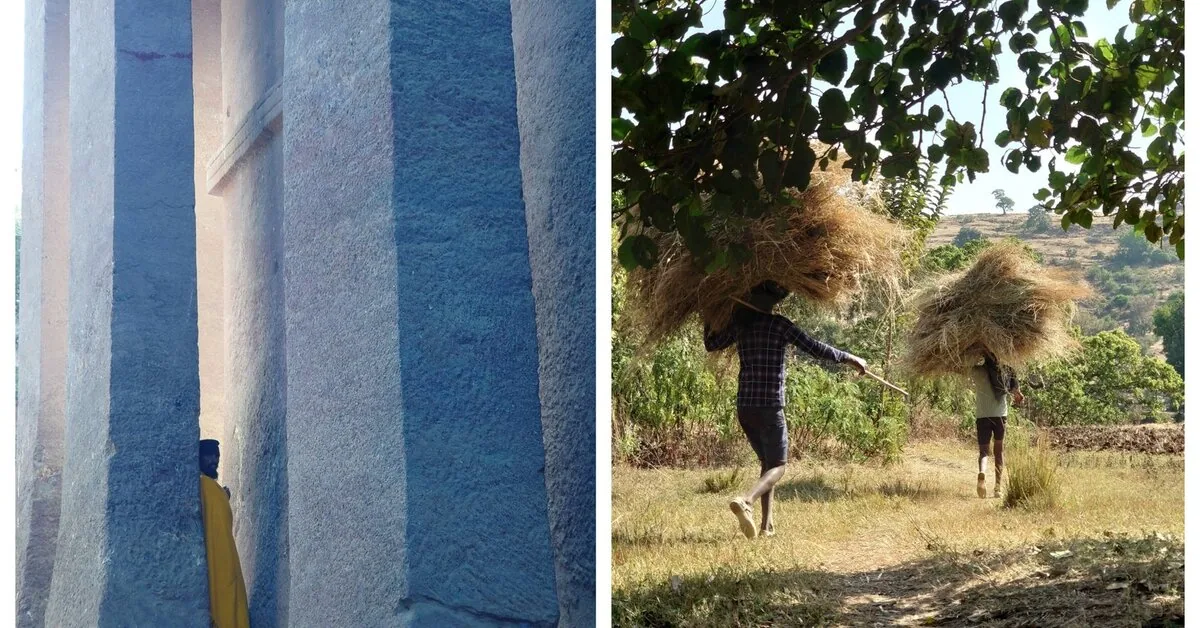
Lalibela – a place that Ethiopian Christians call their Jerusalem, and this is not a metaphorical meaning. When at the end of the 12th century Jerusalem was captured by Saladin’s army and pilgrimage to the Holy Land became too dangerous, King Lalibela decided to build Jerusalem at home. More precisely – to carve it: eleven churches here were not built but carved out of volcanic tuff deep into the rock so that the eyes of approaching enemies would not see them. The churches are connected by tunnels and narrow corridors cut into the rocks, a canal named symbolically after the Jordan River flows between them, and the largest monolithic church called the House of the Savior, and the most beautiful – the cross-shaped St. George’s Church – were among the first sites inscribed on the UNESCO World Heritage List in 1978. There is also Golgotha, Adam’s tomb, and a fertility pool where women who cannot conceive bathe – the entire Holy Land contained in one rock massif.
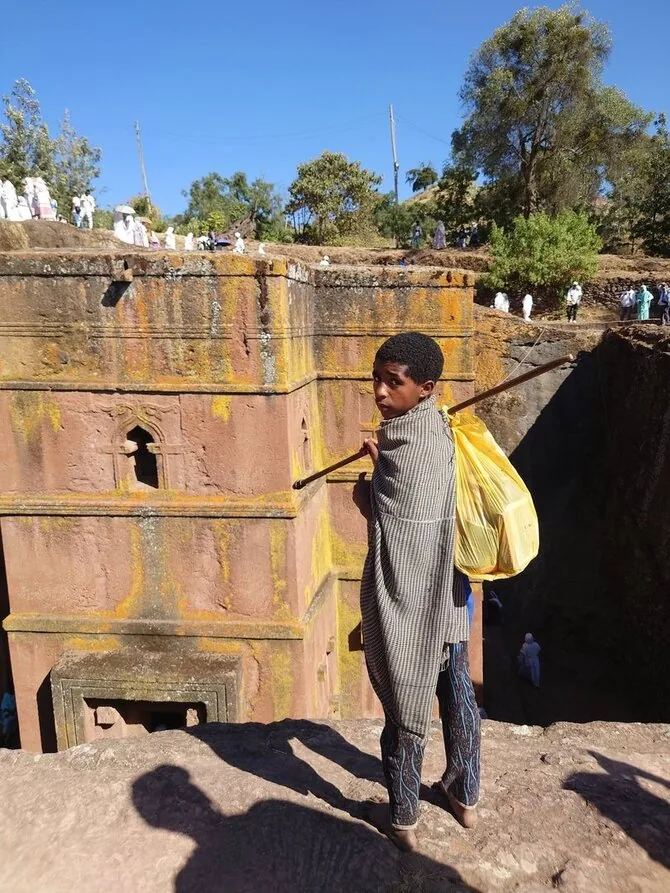
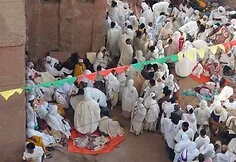
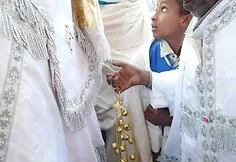
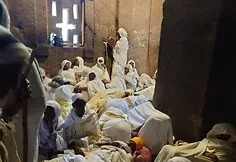
The most important thing is that this is not a museum. During Ethiopian Christmas, tens of thousands of pilgrims from all over the country flock to Lalibela – some come on foot, pray and fast for a week, sleep in churches and their surroundings. At night, traditional candles burn between the rocks – cotton threads soaked in wax – and priests standing on the cliffs chant and play cymbals as they have been doing here for eight hundred years. A tourist in this crowd is just a curious observer of the largest live spectacle in Africa.
African Camelot
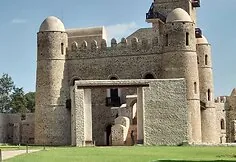
Gondar breaks another stereotype – about Africa without castles. In the 17th century, Emperor Fasilides founded the capital here, and over two centuries, a dozen stone castles with towers, baths, and banquet halls grew in the royal complex – for which Gondar is called the African Camelot. The complex is carefully restored today, and Ethiopia is increasingly demanding that Great Britain return the royal treasures looted in 1868.
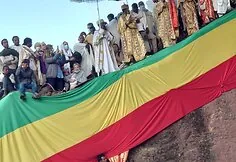
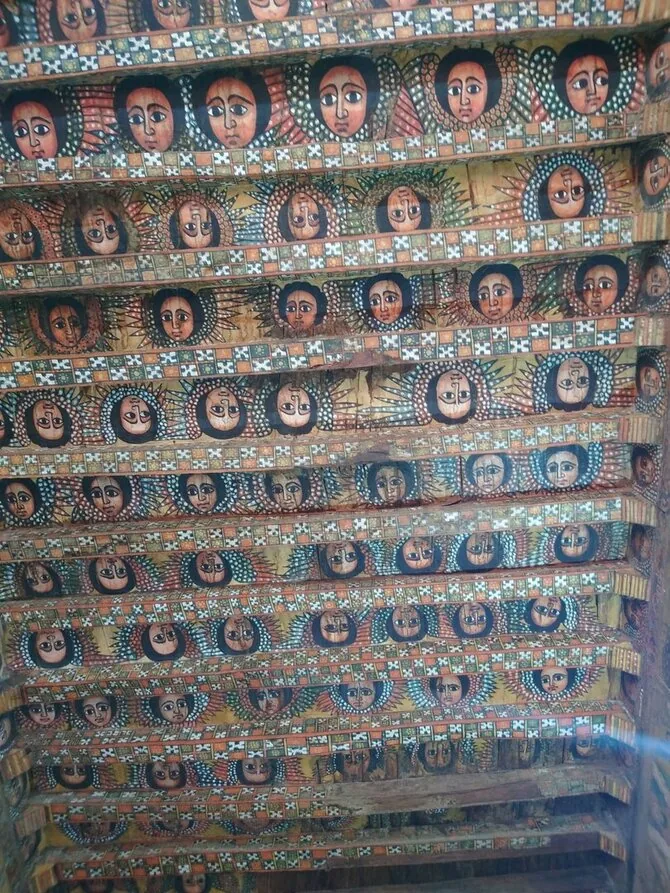
In mid-January, Gondar becomes the scene of one of the most impressive celebrations. During Timkat – the Feast of the Baptism of Christ – copies of the Ark of the Covenant are solemnly brought from surrounding churches to Fasilides’ pool, prayers take place all night, and in the morning, after the patriarch blesses the water, the crowd rushes into the pool, which for a moment turns into the Jordan River. Nearby is also the most beautiful church in Gondar, the 17th-century Debre Birhan Selassie, whose ceilings are painted with dozens of winged angel faces looking down at everyone who enters.
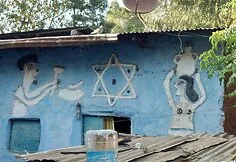
In the surroundings of Gondar hides a little-known page of history: the villages of the Falashas – Ethiopian Jews. The Beta Israel community traces its origins to Menelik, the son of King Solomon and the Queen of Sheba, and practiced Judaism for centuries, separated from the rest of the Jewish world. In the 1980s and 1990s, Israel secretly relocated the community to its territory. During one operation in 1991 called “Solomon,” more than 14,000 people were airlifted by planes in 36 hours. Only blue-painted houses with Star of David and newcomers selling handicrafts remain in the villages.
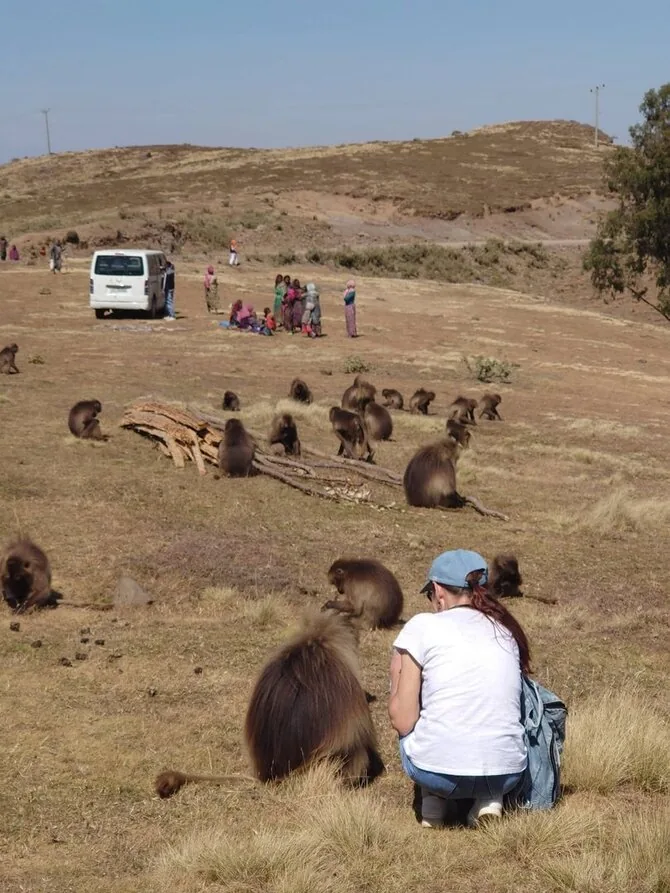
Three hours away are the Simien Mountains, a UNESCO-protected national park, where the highest mountain lodge in Africa stands at 3,260 meters. On thyme-scented slopes, geladas run – monkeys found nowhere else in the world, the last grass-eating primates, called bleeding-heart monkeys because of the red patch on their chest. They approach a calmly sitting person within a couple of steps and continue methodically plucking grass – lion-maned males, frolicking young, a hundred-strong troop.
Read more The Vatican expresses serious concern about the implementation of the Israel-Lebanon agreement
The lake from which the Nile flows
Bahir Dar stands on the shore of Ethiopia’s largest lake – Tana – and Tana is the place that European geographers sought: from here flows the Blue Nile, which provides about 80 percent of the water to the great Nile River. Since the 14th century, monasteries with painted round churches and priests telling stories from the Ethiopian Bible – which contains books not found in our scriptures – have been hidden on the lake’s islands and peninsulas.
Nearby, under fig trees, grows what Ethiopia has given to the world: coffee. Legend has it that its effect was first noticed by a shepherd named Kaldi, whose goats, after eating red berries, began to jump. The coffee ceremony here is a daily ritual: beans are roasted and ground in front of the guest, incense smokes, coffee is poured into small cups three times. Along with it – injera, a fermented flatbread made from teff, the smallest grain in the world, which grows almost exclusively in Ethiopia and is gluten-free, making it a star in the global health food market in recent years. Baking it is a separate spectacle: dough fermented for four days is poured onto a huge clay plate heated by fire, fueled by rice husks. Everything is piled on the prepared injera – stewed spinach, pea porridge, spicy meat stew tibs – and eaten by hand, tearing off a piece of bread instead of utensils.
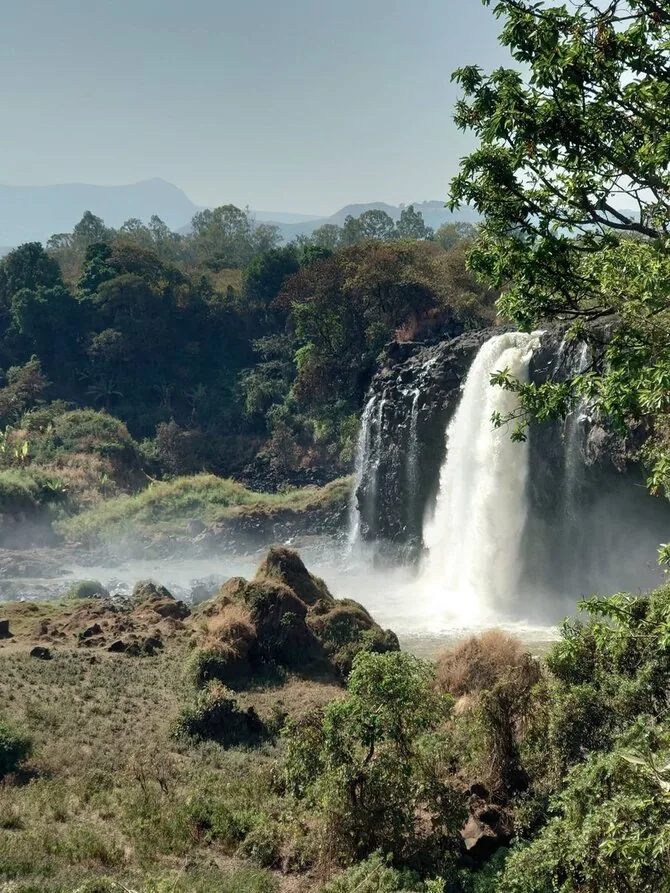
Nearby also roar the Blue Nile Falls, called Tis Abay by locals – “smoking water.” Once a 400-meter-wide wall of water, it was the second most powerful in Africa after Victoria Falls; after the hydroelectric power plant was built, most of the water was diverted to turbines, but the remaining part, falling through the ever-hanging mist rainbow, allows imagining the former power.
A country that is changing
It is common to imagine Ethiopia as a land of drought and poverty – this image was imprinted on the world in the 1980s and proved to be extremely persistent. The reality surprises: roads are being paved, cities are tidying up, modern neighborhoods are rising in Addis Ababa, and tourist sites are being restored so rapidly that travelers returning every year no longer recognize the cities. At the same time, it is still a country where the morning in the mountains begins with baking bread on a fire, where fields are plowed by oxen, and on Sunday morning, roads are full of people dressed in white heading to church.
There are still few tourists in Ethiopia – but those who come get what other countries no longer offer: a living, unstaged world where millennia-old traditions are not an attraction but simply life. And also – a feeling that time here really flows differently. Perhaps because according to the Ethiopian calendar, it is only the end of the last decade, and everything is still ahead.
Read more Donatas Balvočius was stunned to find out what he would have to do with the «truck driver»