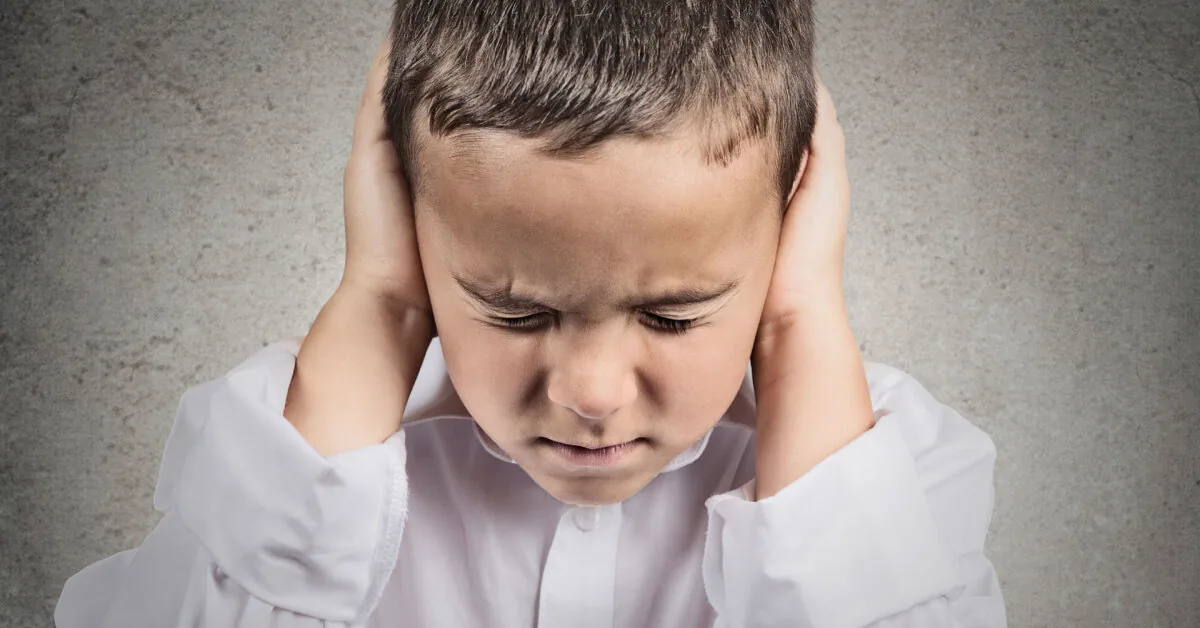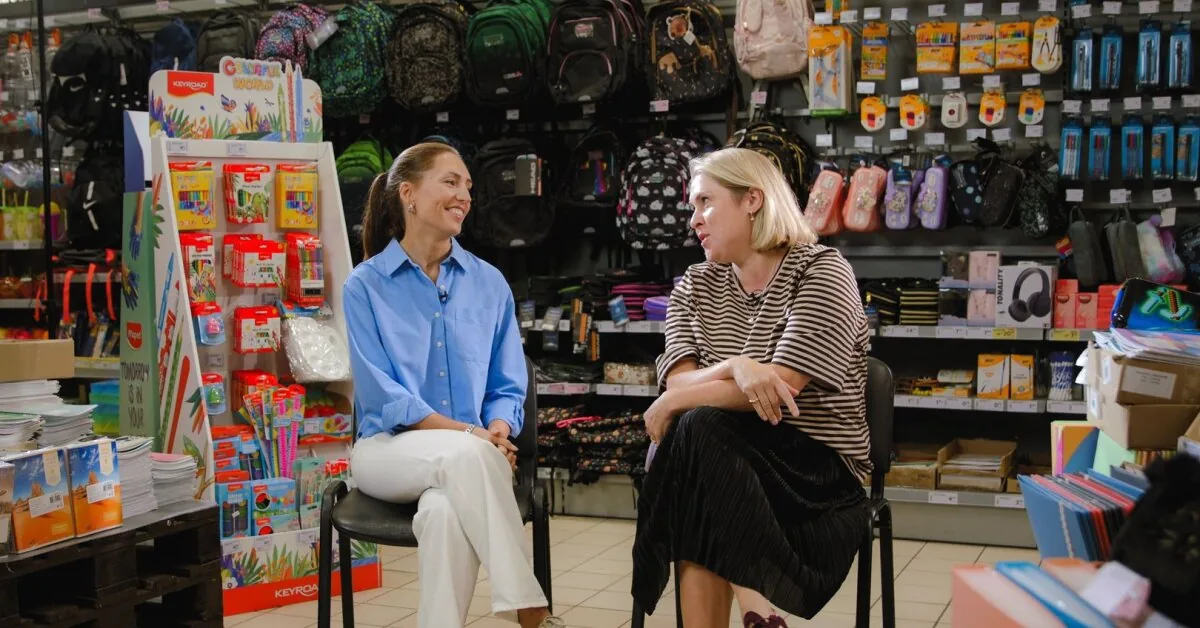
According to specialist Vaida, nervousness before the start of the new school year is a completely natural reaction to one of the most important changes in a child’s life, so she offers five tips to help the whole family face the new school year more calmly, according to a press release.
Read more Huge scam revealed in Kyiv: 58 apartment owners left empty-handed
Accept that nervousness before school is normal
It is often thought that children worry the most before school, but experience shows that many parents also feel tension. Adults already understand the challenges that the school year may bring, so they naturally worry about the child’s well-being, relationships with peers, or first failures.
According to V. Ivaniukaitė, children are very sensitive to their parents’ emotions. Even if anxiety is not spoken about, the child notices body language, tone of voice, or changed habits.
“Let’s not be afraid to tell the child how we feel. Let’s share our September 1st stories: what flower we carried, what feelings we experienced then, what we met in the classroom. If nervousness grows as September 1st approaches, it is worth taking action. One of the simplest ways to reduce tension is physical activity. Even 10 minutes of movement can help better manage emotions for both children and parents,” says V. Ivaniukaitė.
Rehearse the first day of school
As September 1st approaches, the greatest anxiety often comes not from the school itself but from the unknown. Therefore, preparing for the upcoming routine and rehearsing the first day can help both children and parents face the new stage more calmly.
For example, one morning you can get up at the same time as you will need to when the school year starts, have breakfast together, and walk to school. Such simple preparation allows a clearer idea of what the new daily routine will look like.
It is worth discussing with the child what the first day will look like: where the backpack will be left, how long the lessons will last, and whom to turn to for help if needed. The less unknown there is, the safer the child feels.
Take care of practical matters in advance
Preparing for school is important not only to acquire the necessary supplies but also to create as much clarity as possible for the whole family. The fewer unanswered questions remain in the last days of August, the better both parents and children feel.
Preparation starts with simple but important things: school supplies, uniform, sportswear, snack box, or a place at home where the child can calmly spend time after lessons. When these issues are resolved in advance, more attention should be paid to emotional readiness.
It is also useful to plan the first week of school in advance: what you will have for dinner, who will pick up the child after lessons, what the family will do after the September 1st celebration. Such decisions may seem small, but they provide stability and help avoid additional tension at the start of the school year.
Read more Nightmare at 10 kilometers high: the crew had to tie a screaming passenger to the seat
It is worth involving the children themselves in the preparation. By choosing notebooks, pens, or other school supplies, they more easily engage in the anticipation of the new stage and feel part of the process.

Focus more on life skills than grades
Starting school, children learn not only letters or numbers. They develop social and practical skills: learning to make decisions, take responsibility, express their needs, and navigate a new environment.
“Parents should not worry whether the child already knows all the letters or reads perfectly. Academic knowledge will be provided by the school, while confidence and independence are primarily developed by the family,” says V. Ivaniukaitė.
The specialist also urges monitoring the child’s well-being. Changes in sleep, nightmares, increased sensitivity, or emotional fluctuations may signal that the child needs more attention and emotional support during this period.
Be the child’s support, not the solver of all problems
Parents naturally want to protect the child from difficulties, but school is a place where independence is learned. The greatest help from parents is not solving problems for the child but support, encouragement, and reminding that difficulties are a natural part of growth.
The specialist urges not to expect that a first-grader will immediately feel confident in the new environment or quickly make friends. Adaptation happens at different paces for each child, so it is important to give time to get used to changes and not overload the child with clubs or additional activities. Children also need rest and free time after lessons.
“The priority should not be perfect grades but that the child feels good at school and wants to return there the next day. When a child feels good and confident at school, learning and striving for good results becomes much easier,” says V. Ivaniukaitė.
According to her, preparation for September 1st starts not with notebooks or textbooks but with the family’s emotional calm, clear routine, and confidence. The new stage is not only a challenge but also an opportunity to grow, learn, and build an even stronger bond with the child.