Analyzed 35 studies
In a new systematic review, scientists evaluated 35 studies conducted between 2009 and 2024. They examined how sulforaphane may affect epigenetic processes related to cancer development.
Read more War in Ukraine. A slap to the Russians: Zelensky is going to Moscow’s friends
Epigenetics includes processes that determine which genes in the body are active and which are “turned off.” The DNA code itself does not change, but gene activity can change.
Oncological nutrition specialist Krystle Zuniga explained that sulforaphane can affect enzymes involved in regulating gene activity. This theoretically could influence cell proliferation, damaged DNA repair, and cell death.
However, the review included very different studies – from experiments with cells and animals to studies using broccoli sprouts, purified sulforaphane, or its combinations with other substances. Therefore, it is currently impossible to say how much and how often broccoli should be eaten to achieve a possible effect on cancer risk.
The substance forms when cutting and chewing the vegetable
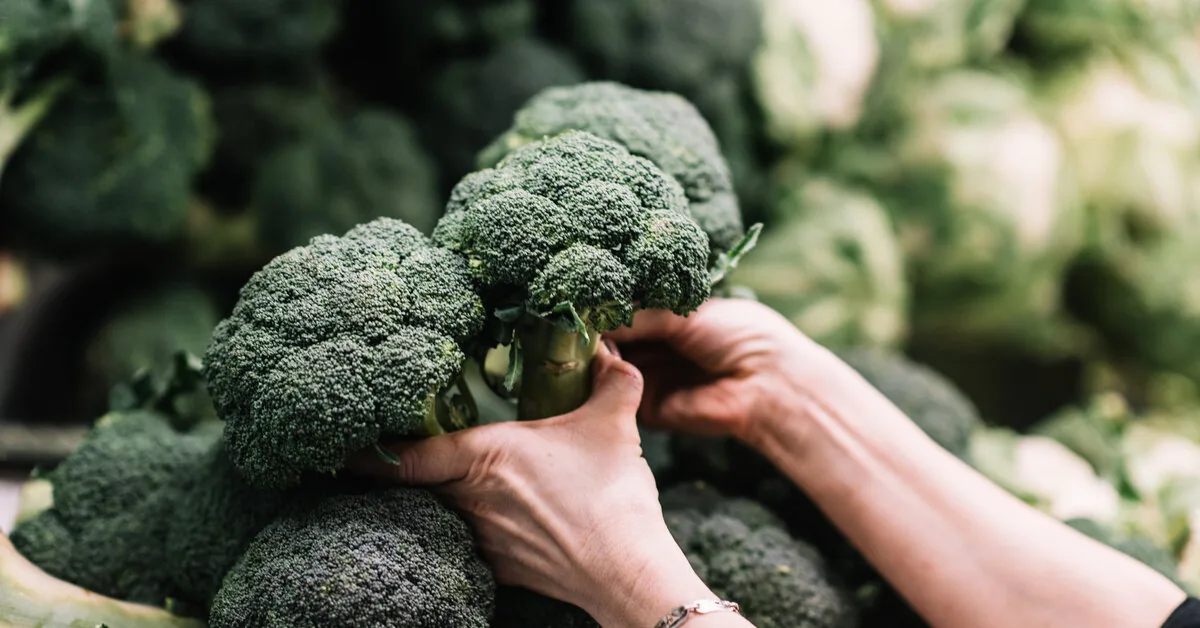
Sulforaphane is a natural plant compound formed when cruciferous vegetables are cut, crushed, or chewed.
Broccoli, Brussels sprouts, cabbage, and cauliflower naturally contain glucoraphanin. When plant tissues are damaged, it reacts with the enzyme myrosinase and sulforaphane is formed.
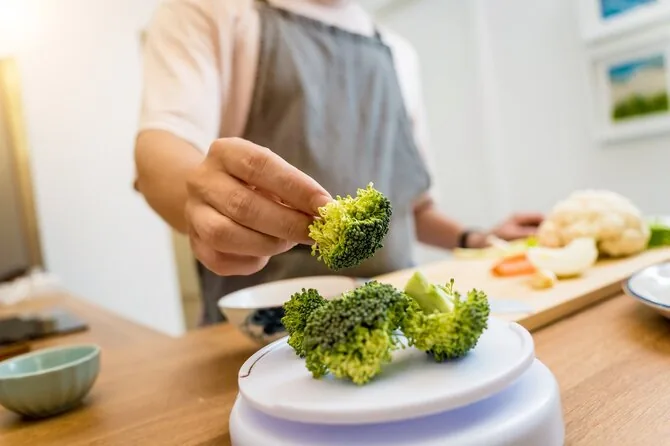
Scientists are interested in whether this substance can activate enzymes that help remove harmful compounds and affect genes controlling cell growth and death.
Some laboratory studies have found that genes that normally suppress tumor growth can be “silenced” in cancer cells. It is believed that sulforaphane can affect these processes and help protective genes become active again.
However, specialist K. Zuniga urges not to say that broccoli “fights cancer.”
“It would be more accurate to say that broccoli contains nutrients and biologically active substances that can support the body’s protection against processes related to cancer development,” she explained.
Does it matter how broccoli is prepared?
According to nutrition specialists, to preserve more of the enzyme needed for sulforaphane formation, broccoli is better processed gently.
Myrosinase is sensitive to high temperatures, so briefly steamed broccoli can retain more of this enzyme than vegetables boiled for a long time or cooked at high temperatures.
Read more Dainava Region Folklore Festival will take place in Druskininkai
However, raw, roasted, stewed, microwave or steamed broccoli, as well as frozen broccoli, remain sources of fiber, vitamins, and minerals.
Frozen broccoli may contain less sulforaphane because it is usually briefly blanched at high temperature before freezing. According to the specialist, adding mustard powder or fresh radishes to prepared frozen broccoli may stimulate sulforaphane formation.
There is no “miracle” product
There is no established amount of broccoli proven to protect against cancer. Although one study observed benefits in those who ate broccoli once or twice a week, this is not a therapeutic dose or a guarantee that a person will not get sick.
“The overall dietary pattern and consumption of various vegetables are more important than focusing on one superfood,” emphasized K. Zuniga.
Besides broccoli, glucoraphanin, from which sulforaphane can form, is found in Brussels and regular cabbage, cauliflower, kale, and other cruciferous vegetables.
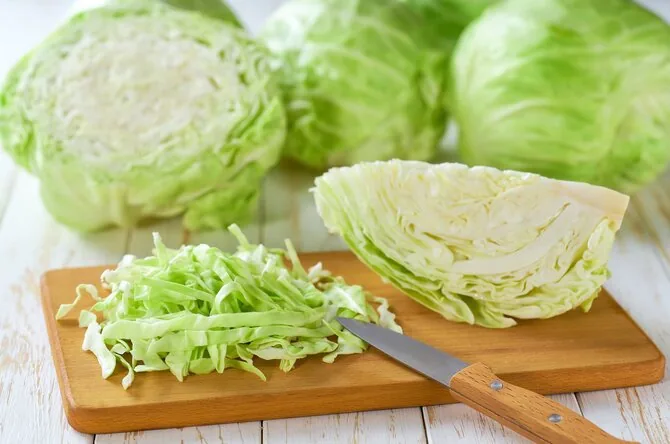
Specialists recommend choosing the vegetables themselves rather than trying to get a purified substance from supplements. The fibers, phytochemicals, and micronutrients in broccoli work together in the body.
Who should be more cautious?
Most people can eat broccoli regularly. However, it is rich in vitamin K, which is involved in blood clotting processes.
People taking blood-thinning medications are advised not to suddenly increase or decrease the amount of broccoli and other vitamin K-containing products.
Broccoli can also cause gas and bloating, especially in people with a more sensitive digestive system. In such cases, smaller portions and well-cooked vegetables may help.
Read more Unimaginable what is happening: a 28-year-old woman’s vacation in Thailand turned into a nightmare