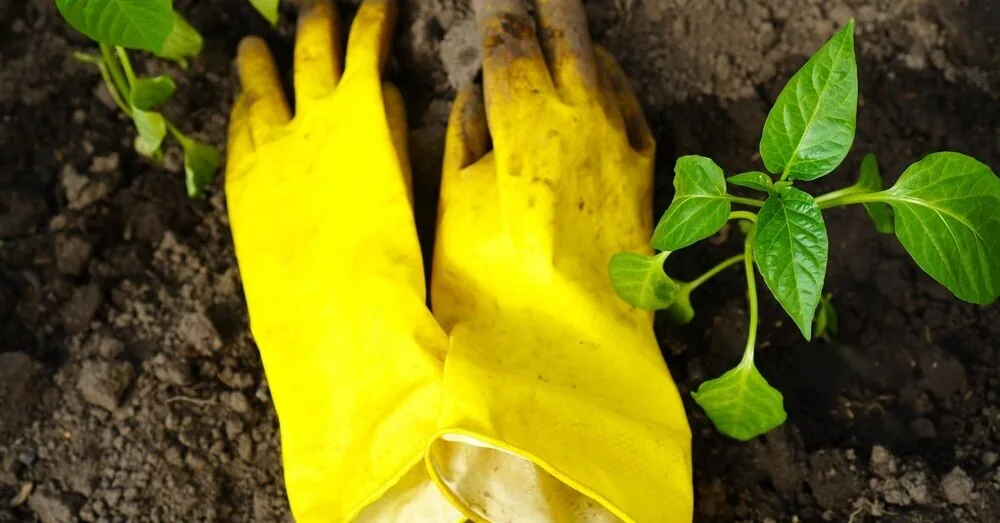
Why pepper stops growing
Pepper is considered one of the most heat-loving vegetable crops. Even a slight stress after transplanting can stop the plant’s development for a long time.
Read more Vladimir Putin: no one can say the origin of the drone that crashed in Romania
Most often problems arise due to:
- Cold soil
- Excessive watering
- Lack of nutrients
- Heat or strong wind
- Unsuitable soil
Cold soil — the main cause of poor pepper growth
Experts warn: if seedlings are planted too early, pepper can practically stop developing. For normal growth, the soil temperature must be no lower than +15 degrees. In cold soil, roots function poorly, and leaves begin to yellow.
Cold nights after planting are especially dangerous. To protect the plants, gardeners advise using:
- Mulch
- Agrotextile
- Temporary film covers
Why you should not overwater pepper
Another common mistake is watering too often. Pepper roots need not only moisture but also air. If the soil is constantly wet, the root system begins to suffer, and the plant stops growing.
Usually, due to excessive watering, leaves become pale and wilted, although the soil remains moist. Experts advise watering pepper only when the top layer of soil dries out.
What to fertilize pepper with after planting
After transplanting, pepper needs nutrients for recovery and growth. After 1–2 weeks of planting, you can use:
- Complex vegetable fertilizers
- Compost infusion
- Organic fertilizers
At the same time, excess nitrogen is dangerous — bushes will actively grow leaves, but the yield will be poor.
Read more Tragic accident in Alaska: three climbers from Latvia died falling from the slope of Denali mountain
Why heat and wind stop pepper growth
Young seedlings are very sensitive to scorching sun and strong wind. If the plant was not prepared for outdoor conditions, leaves can:
- Twist
- Dry out
- Burn
Before planting seedlings, it is recommended to gradually harden them by taking them outside for a few hours daily.
What kind of soil is needed for pepper
Pepper grows poorly in heavy and dense soil. If the soil poorly passes air and moisture, roots develop weakly. Also, pepper should not be planted in the same place for several years in a row, especially after other Solanaceae family plants.
For a good harvest, the soil must be loose, fertile, moderately moist, and well warmed.
How to understand that pepper needs help
The following signs may indicate growth problems:
- Yellowing of leaves
- Growth stoppage
- Weak stems
- Leaf twisting
- No new shoots
Experts advise reacting immediately, otherwise the plant may recover for a long time and start bearing fruit later.
Read more After 177 kilometers of battle in the hills of Utena – „Energus“ podium and maintained leadership
Source: glavred.info