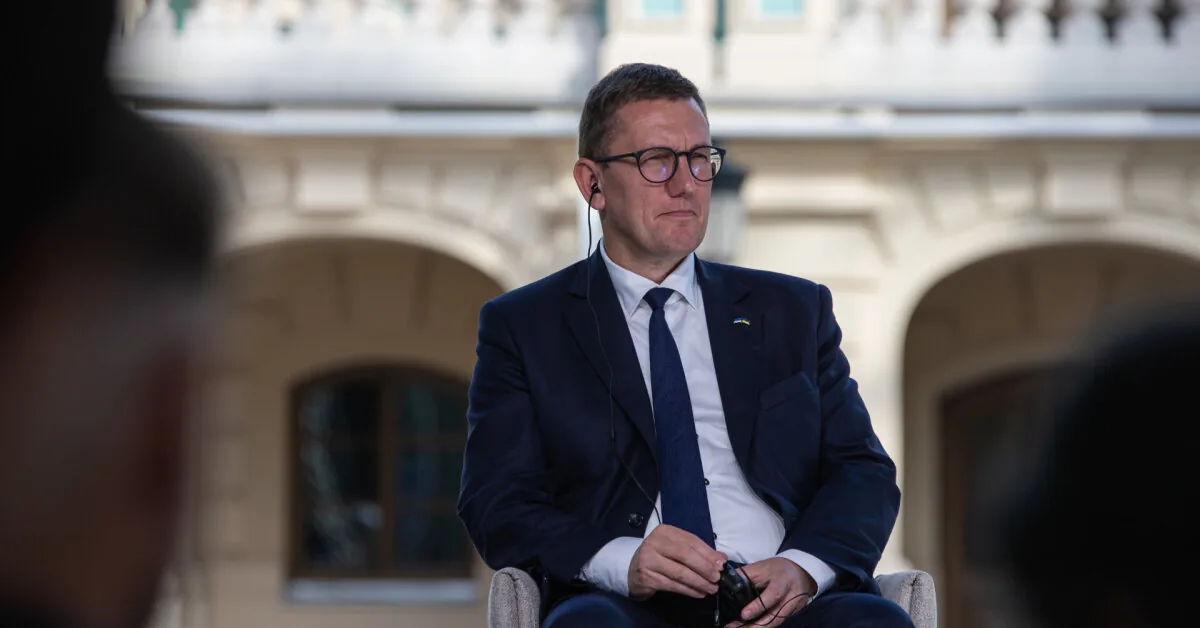





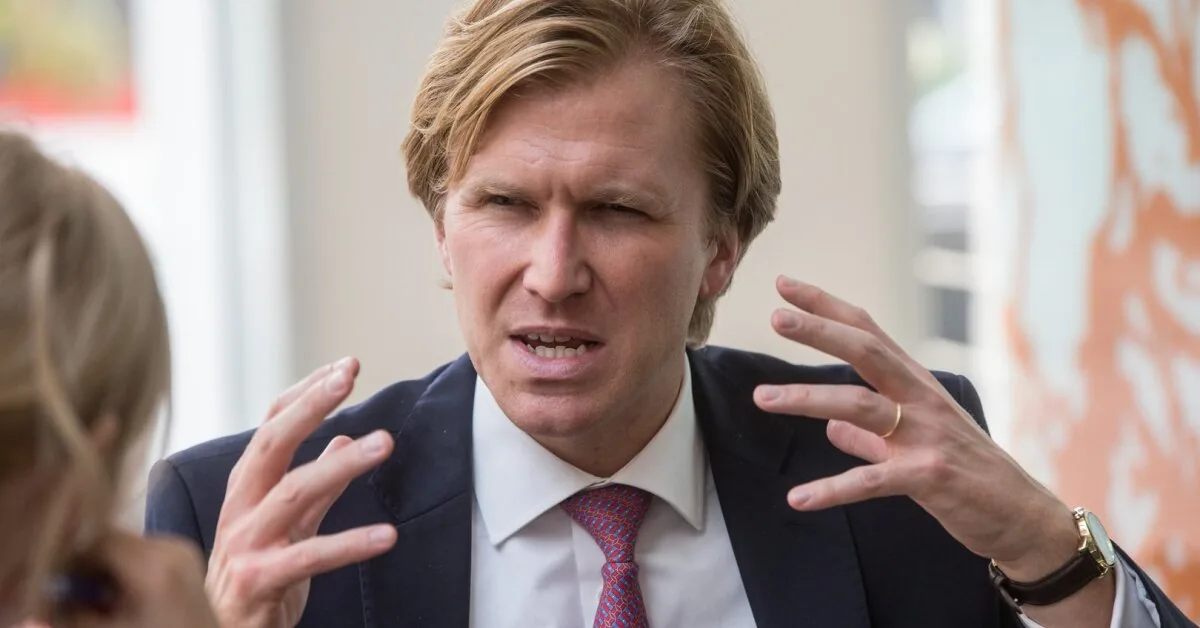
„I have interacted with him a bit and followed (once) his academic activity, so it is interesting to see the subtle synthesis of his own ideas – and the commitment to defend the administration’s policy. Not always simple,” recalls L.Kojala.
Read more Grain growers: after the rain, 10% of cereal crops lodged, the harvest will be average
E.Colby illustrates his principles in an interview with NYT columnist Ross Douthat with an episode from the anniversary commemoration of the Allied landing in Normandy. According to him, when the Belgian defense attaché began to “moralize” about US isolationism, E.Colby reminded Europeans of their historical responsibility for their own security.
„If their economies grew enough to be taken seriously“
„I said: we want that Britain and that Canada that fought four years in the First World War and six years in the Second. We were the ones who came later,“ recalls E.Colby.
„Europeans would be in a much better position to moralize us if they spent as much as we do, if they were ready to build real military capabilities, and if their economies grew enough to be taken seriously.“
However, this time the tone of the conversation with the NYT columnist was not only sharp, notes L.Kojala.
What does he say about Ukraine?
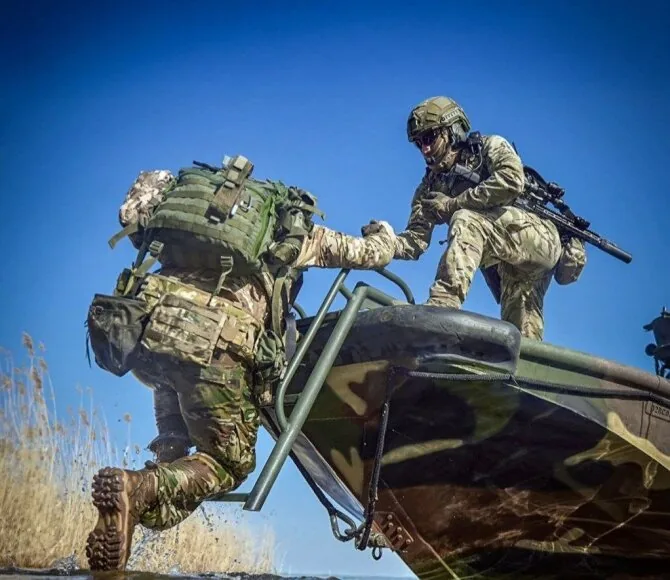
E.Colby speaks more favorably about Ukraine than in some previous public statements.
„The Ukrainians have been stubbornly and respectfully defending themselves for four years,“ he says, emphasizing adaptation to technological changes, especially drone warfare.
He also acknowledges that Ukraine’s situation has “improved in some aspects,” although the war remains essentially exhausting.
To Vladimir Putin, E.Colby would suggest: „Now is a good time to end this conflict. President Trump sincerely wants peace.“
At the same time, he emphasizes that the administration is not pro-Putin: „If you want to make peace with a great power, you have to understand how it thinks and acknowledge that it has a lot of power.“
Asked about reports that he himself sought to stop arms supplies to Ukraine, E.Colby categorically denies it: „That was a false story.“ He stresses that he does not have such authority and has personally approved several transfers to Ukraine.
„NATO 3.0“: Europe defends itself first
In E.Colby’s „NATO 3.0“ vision, Europeans must take on the „primary responsibility for their conventional defense“.
He presents this idea not as weakening NATO but as a return to Cold War logic. He recalls that in 1988 West Germany had 12 active divisions, although it was smaller than today’s Germany.
In his assessment, Germany is changing on a „historic scale“ today, Poland is a „fantastic exemplary ally,“ Finland is very strong, Sweden and Norway are well regarded. The French army is capable, but the country should spend more on defense; the United Kingdom’s contribution, according to E.Colby, is so far insufficient.
E.Colby does not rule out reducing the number of US troops in Europe but does not detail: the number of troops, in his words, will be a result of „NATO 3.0,“ not a goal.
Disagrees with the European perspective
R.Douthat notes that Europeans and Canada are strengthening defense not only because of Russia but also to be less dependent on unpredictable US.
Read more American Dream, or Why Young People Choose NCAA: «The Conditions Are Simply Out of This World»
E.Colby interprets this differently: „You tell me that the administration’s policy forces allies to spend more on their defense, take more responsibility, and reduce the American burden? That sounds good to me.“ Therefore, in his view, Trump is a „NATO savior.“
E.Colby criticizes Canadian Prime Minister Mark Carney’s idea that „middle powers“ – Canada, Europe, Japan, South Korea, Australia – can coordinate actions more closely and thus reduce dependence on the US.
In his opinion, cooperation itself is not the problem. But allies should not create alternatives.
As an example, E.Colby cites Canada’s considerations regarding the F-35 and „Gripen“: „Gripen is significantly inferior to the F-35.“ His logic is that if Canada’s choice reduces the overall NORAD combat capability, American security also suffers.
How can you demand allies’ trust?
Journalist R.Douthat directly asks how one can demand allies’ trust when D.Trump publicly talks about Canada as the 51st state and US claims to Greenland.
E.Colby avoids a clear answer here, noted L.Kojala. The Pentagon representative defends the „Trump Monroe Doctrine interpretation“ and emphasizes that the US must ensure its interests in the Western Hemisphere. About Greenland, he says that „the US is the only country realistically able to ensure Greenland’s security,“ although he also speaks of a „productive diplomatic path.“
Iran
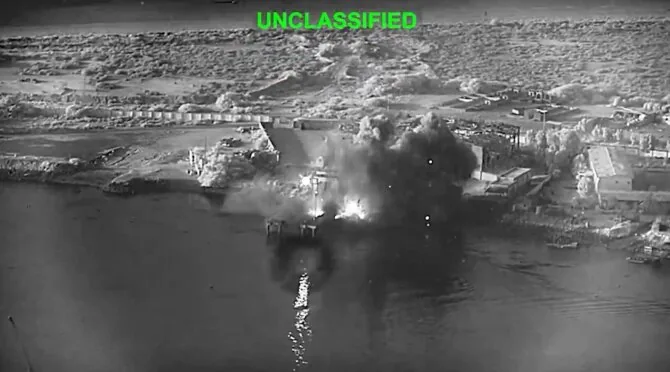
R.Douthat poses a dilemma to the interlocutor: E.Colby himself warned for many years that US resources are limited and must be concentrated on deterring China, yet now some of those resources are used in the war with Iran.
E.Colby’s answer: the most important means needed for the Indo-Pacific strategy „are not critically depleted.“ However, he does not specify particular systems.
He also disagrees with calling the situation a stalemate. US goals, according to him, are to prevent Iran from acquiring nuclear weapons, reduce Tehran’s military capabilities, and ensure shipping through the Strait of Hormuz.
„The president is not stuck. He has options,“ says E.Colby. According to him, escalation would not necessarily mean Iraq or Vietnam: the US has other military and economic pressure tools.
But when asked what specifically would make Iran back down, E.Colby does not provide details.
China
E.Colby rejects considerations that the second Trump administration no longer sees China as a fundamental challenge. His principle is „strongly and clearly, but quietly“: „Judge the US by what it does, not by demonstrative rhetoric,“ he says.
The essence of military strategy remains „denial defense“ – to create such a defense in the first island chain that China cannot occupy and hold important US ally or partner territory.
E.Colby emphasizes that this is not a „regime change“ strategy. The goal is deterrence and maintaining the status quo: „If everyone stays on their side, everything will be fine.“
Read more This country is the fastest growing tourist destination in Europe: hurry to visit