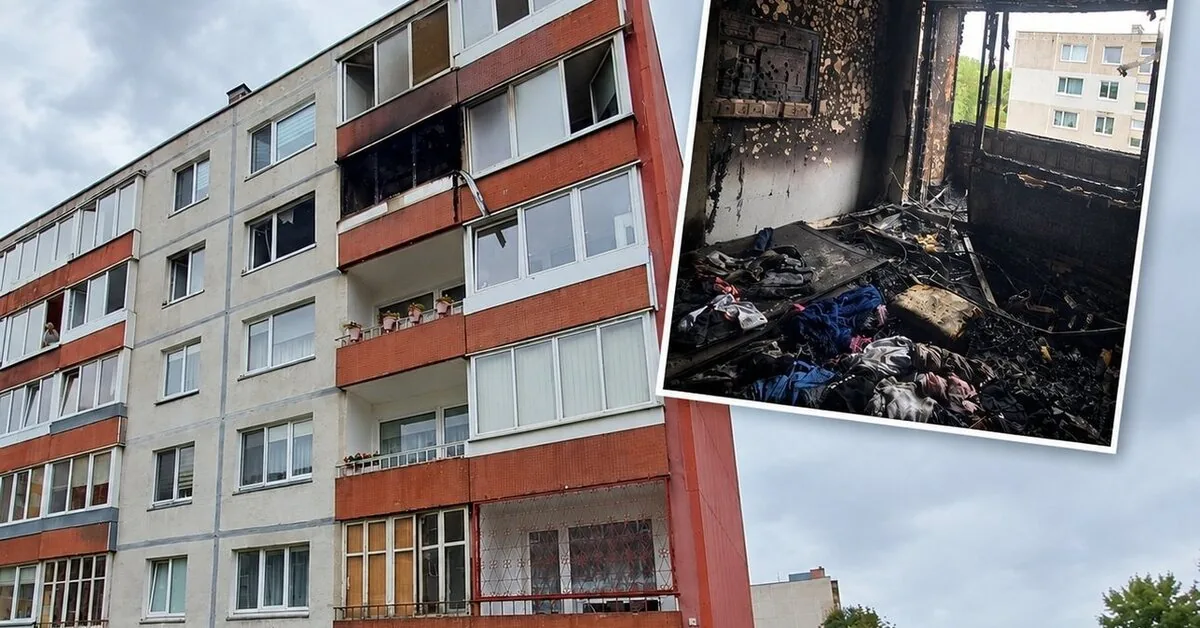








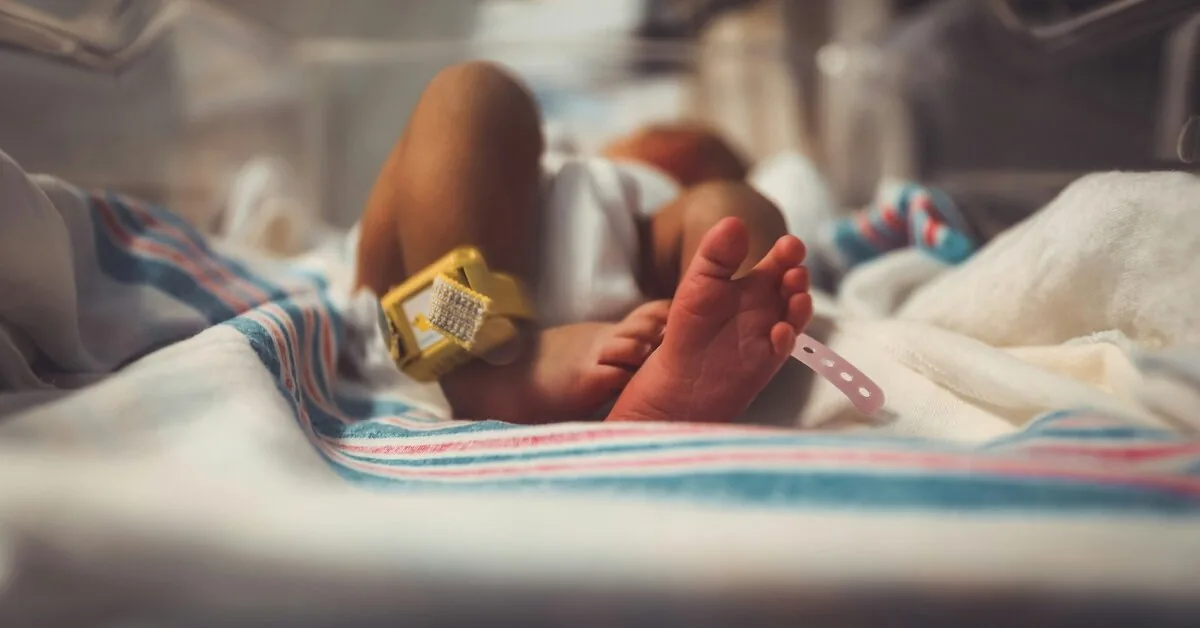
This sensitive story of a family from Ukmergė history came into the spotlight when their youngest daughter died on Sunday at Kaunas clinics, and unaware of this, child rights defenders made a decision to take all the children from the family.
Read more BNS Sprint: Thursday events in brief
Online, this quickly became surrounded by unfounded interpretations, suggesting that the services intend to prevent the family from properly burying the deceased child.
“Child rights want to take children from the family, including the deceased baby. Did you hear that? The child died and child rights want to take the deceased child’s body and not allow the parents to bury it. I am seriously talking about this,” said Antanas Kandrotas, nicknamed Celofanas, hiding from Lithuanian law enforcement in Belarus, in a video spread on the social network “Facebook”.
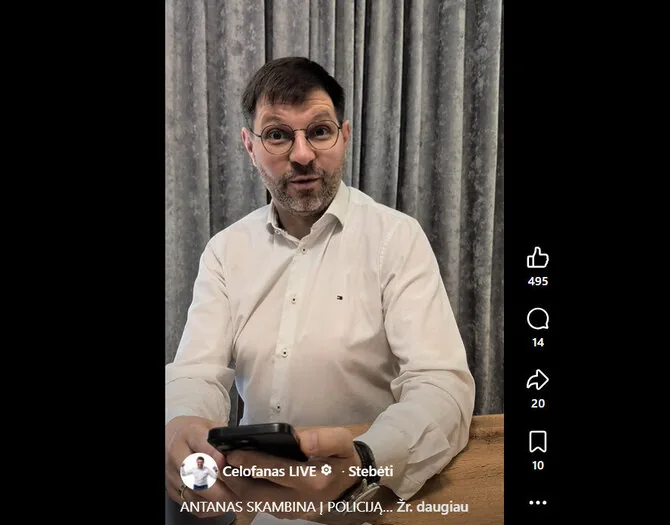
Did not seek to take the deceased child
However, this is a manipulation that does not correspond to the truth. The services did not intend to take the deceased child from the family nor tried to forbid the burial, and the misunderstanding occurred due to the untimely receipt of information about the girl’s death.
As 15min explained, Lina Baranauskienė, head of the Vilnius County Department of the State Child Rights Protection and Adoption Service, all decisions apply only to a living child, so after this tragedy, any previously made decisions regarding the baby are no longer valid.
“We regret the unfortunate mistake. Upon receiving a report that the child might be unsafe, we assessed the situation and decided that the child needs to be ensured safety, and the family to initiate assistance.
Unfortunately, when making the decision on July 27, we had not received information from Kaunas clinics about the baby’s death. We received this information only after the decision was made,” explained the VTAĮT representative about the situation.
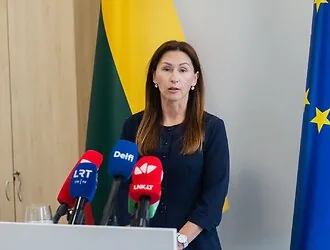
VVTAĮT indicated that in this case a mistake occurred – the service received the news about the baby’s death only after several days, so formally the decision to take the child from the family included the already deceased girl.
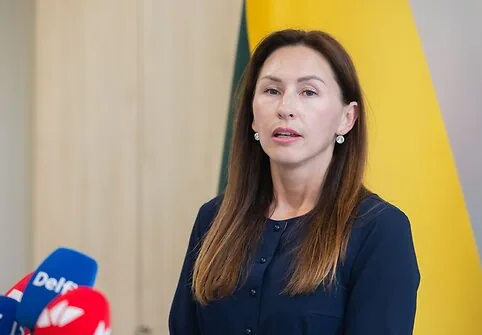
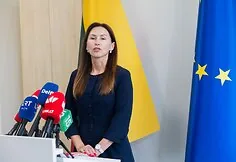
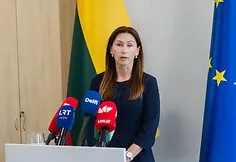
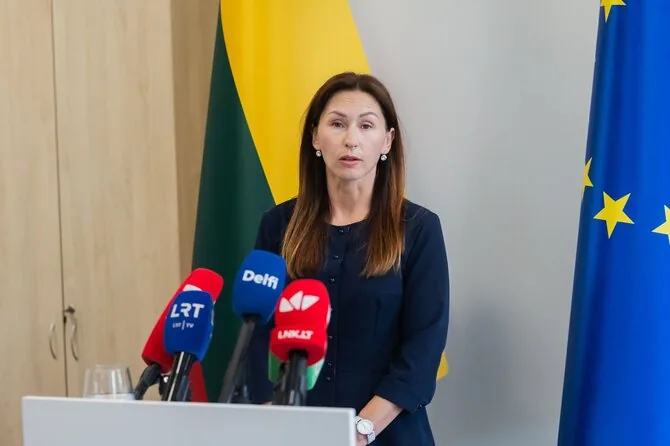
L. Baranauskienė also spoke about this during the press conference held on July 30.
“Separating a child from parents is a decision made only in extreme cases, when parents do not cooperate, refuse help, no change occurs, and the child remains at real risk. And in this family’s case, a decision was made that the children must be ensured safety.
We made the decision on July 27, and learned about the baby’s death only on July 28. Not knowing that the baby died on July 26, Sunday.
We will meet with representatives of Kaunas clinics and review the algorithms for information exchange again, even if it is Sunday,” said the VTAĮT representative.
More: In the spotlight – a sensitive story of Ukmergė residents: “How child rights take a deceased child from the family”.
To the hospital – in critical condition
It is important to emphasize that the girl was admitted to the hospital not without reason. According to child rights protection specialists, doctors informed that she was brought to the medical institution exhausted, in critical condition, and required urgent care.
“Parents’ beliefs, values, life convictions, and approach to child-rearing are their choice, but the child’s right to health, proper treatment, and life must be ensured. That is a priority,” emphasized L. Baranauskienė.
She stressed that even a child suffering from a severe and incurable disease has the right to receive help that would reduce their suffering, and timely medical assistance is especially important for a baby.
During the press conference, L. Baranauskienė emphasized that the decisions regarding the family were influenced not only by the health condition of the deceased girl. “In fact, it is a combination of circumstances. The health condition of the little baby is only one of the factors for which those decisions were made,” she said.
According to the service representative, the family was known to child rights specialists before. The service had received several reports, including from medical institutions, about possibly inadequate child health care.
Asked what other circumstances influenced the decisions, L. Baranauskienė said that the threat was to the children’s well-being, emotional safety, development, and health.
The family can still accept help
The State Child Rights Protection and Adoption Service has not yet applied to the court, so the final legal decision to take the children from the family has not been made.
Read more The first Prime Minister of Lithuania Kazimira Prunskienė has died
Currently, the children remain with their parents, and although the service states that the need to ensure their safety remains, it still hopes for the family’s involvement.
“Decisions can change as the situation changes. If the parents express a need for help and agree to accept the offered assistance, decisions can definitely be changed,” said the service representative during the press conference.
She confirmed that in such a case, the court would not be approached, so the children could stay with their parents. According to the service, they try to contact the family daily and invite them to seek solutions together.
However, if dialogue cannot be established soon, a decision would be made about transferring the children from the family and applying to the court.
The family with children lives in a rented house near Ukmergė, in the forest. Specialists believe that this house does not have enough space for six children. The children do not attend regular school, and the parents declare that they do not vaccinate them.

The child rights service cannot “take” the body of a deceased child
The claim that the State Child Rights Protection and Adoption Service intended to take the body of the deceased girl from the family has no legal basis. The measures provided in the legal acts regulating child rights protection are aimed at protecting the safety, health, and life of a living child.
According to the Child Rights Protection Fundamentals Act, the service, upon identifying the need for child protection, may initiate taking the child from parents or other representatives when there is a real danger to the child’s physical or mental safety, which could cause significant harm to their health or threaten life. The procedure for taking a child from their representatives is also established in Article 3.254 of the Civil Code.
All these grounds relate to the protection of a living child. They objectively can no longer exist regarding a deceased child, so the previously made decision regarding the girl lost its validity. The service itself acknowledged this.
Neither the Child Rights Protection Fundamentals Act, nor the Civil Code, nor other legal acts regulating child rights protection grant the service the right to take the remains of a deceased child or prevent relatives from burying them.
Even the extreme measure – taking a living child from parents – is applied only to protect their health or life and with a court permit obtained according to the law.
The handling of a deceased person’s remains is regulated by a separate Law on the Burial of Human Remains. According to it, the right to take care of the remains and bury them primarily belongs to the deceased’s relatives, and the Child Rights Protection and Adoption Service has no authority in this area.
The transfer of remains to the family may be temporarily postponed if a pre-trial investigation has been initiated due to the circumstances of death and a forensic medical examination or expertise is necessary to determine the cause of death.
Such procedural actions are organized by the prosecutor and pre-trial investigation officers, and the investigation under the Criminal Procedure Code is conducted by a forensic doctor or another physician.
Thus, decisions regarding remains not being temporarily handed over for burial belong to law enforcement institutions conducting the criminal process, not child rights protection specialists.
The appointment of expert examinations is regulated by the Criminal Procedure Code. However, this is a temporary procedural measure, not a burial prohibition – after the necessary investigative actions, the remains are handed over to relatives.
15min verdict: partly false. The claim that the Child Rights Protection and Adoption Service intended to take the body of the deceased girl from the family and prevent relatives from burying her is misleading and does not correspond to reality.
The girl was included in the decision to ensure children’s safety because the service learned about her death only the day after the decision was made.
Such a decision is no longer valid regarding a deceased child, and VTAĮT has no legal authority to handle human remains or forbid funerals. Moreover, the final decision regarding taking the six children remaining in the family has not yet been made – the service has not yet applied to the court, the children remain with their parents, and if the family agrees to cooperate and accept help, they could stay at home.
Publication prepared by 15min in cooperation with “Meta”, aiming to stop the spread of misleading news on social networks. More about the program and its rules – here
Read more US economic growth in the second quarter did not meet expectations