
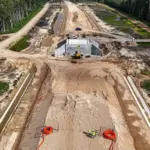







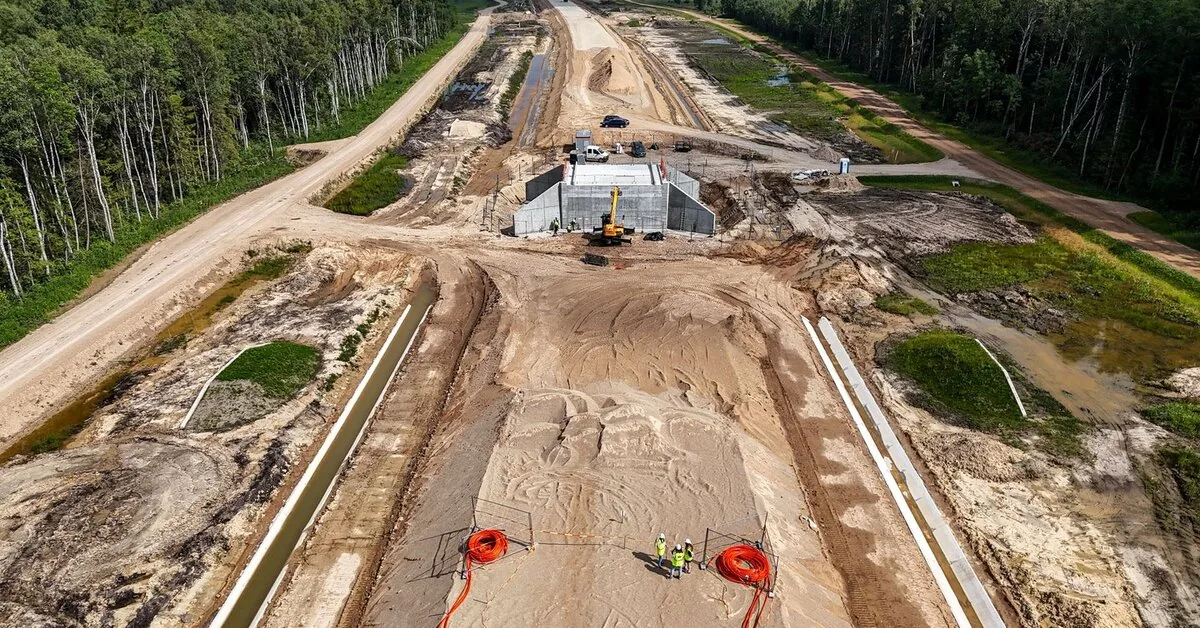
Therefore, the requirements of this project far exceed the boundaries of traditional infrastructure projects. Not only physical works are important here, but also the entire chain of justification and evidence – it is necessary not only to meet design, construction, and quality requirements, but also to prove the interoperability of the entire railway system – track, signaling, power, control, and others.
Read more It is signaled that the existing «Rail Baltica» line will significantly increase safety
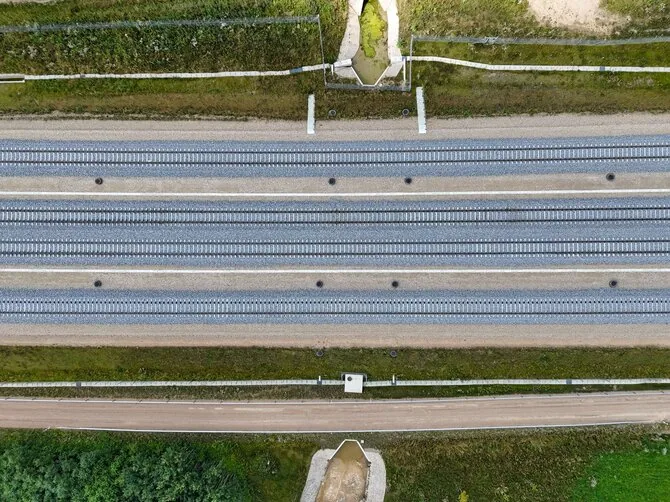
Certification challenge
At the end of the construction of the European gauge, it will be necessary to prove that the mandatory requirements for the operation of the high-speed railway have been properly implemented, verified, and documented. This evidence is accumulated from the very beginning of the design work, construction, testing, trials, and operation.
“It is precisely this chain of evidence that is provided to independent safety and technical compliance assessors. Without a favorable safety and compliance assessment, the infrastructure simply could not be handed over for use,” emphasizes Vytis Žalimas, head of “LTG Infra,” which is implementing the project in Lithuania.

According to him, international practice shows that large infrastructure projects face not only construction challenges but also – at the final stage – challenges of subsystem integration, proof of compliance requirements, and certification processes.
“Partners may think that the ‘Rail Baltica’ project requires excessive documentation or additional procedures. The applied standards may seem stricter, but their goal is not to complicate the market. The most important thing is to ensure that the project is implemented in a controlled and safe manner, with clear process traceability and sufficient evidence for certification – otherwise, the developed infrastructure would return to the construction phase,” says V. Žalimas.
Consultations for the market
“LTG Infra” organizes conferences for market participants and has also attracted necessary international experts who provide consultations to contractors and suppliers and help integrate European Union standards, systems engineering, and compliance requirements into their activities.
Artūras Minkevičius, head of systems engineering and compliance at “LTG Infra” for “Rail Baltica,” says that contractors must already assess during the public tender whether they will be able to secure the necessary competencies in their teams, properly plan human resources, deadlines, and budget. This is especially important because there is a shortage of systems engineering and compliance specialists in the market.
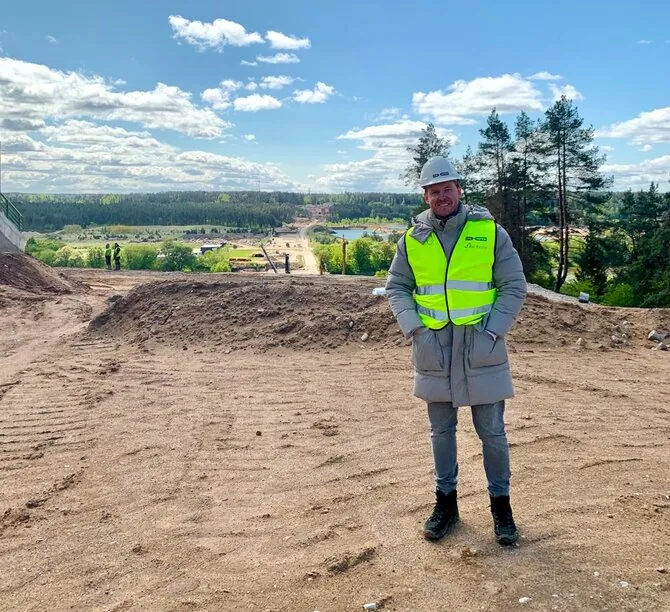
“Market participants involved in public procurement must understand that design guidelines, technical specifications, systems engineering, quality, safety, and compliance requirements are not formal documents that can be ‘handled later’ – says A. Minkevičius. – Consultations provided by ‘LTG Infra’ are beneficial to both sides: we receive clearer market feedback, and suppliers can more accurately assess whether they have sufficient competencies, resources, and partners. This helps ensure smoother project implementation, timely preparation for compliance assessment, and reduces the need for additional corrections at later stages.”
Read more TEST. 12 questions about «Rail Baltica». How many will you answer?
No traffic without compliance
Artūras Minkevičius, who worked in the United Kingdom and returned to Lithuania as head of systems engineering and compliance, states that in international practice, large-scale high-speed train and station infrastructure projects can be delayed not only due to financing or construction works but also due to subsystem integration, safety requirements, quality evidence, and certification challenges.
One often mentioned example is the HS2 project in the United Kingdom, which faced insufficient design maturity, premature transition to construction, and cost increases. The HS2 experience was an important lesson for current infrastructure megaprojects like “Rail Baltica.”
“In the European Union, railway infrastructure can only be put into operation after proving that it meets the applicable technical interoperability and safety requirements, is technically coordinated, and safely integrated into the overall railway system. Infrastructure safety must be consistently managed not only during design and construction but also during operation and later maintenance,” says the interviewee.
Systems engineering and high standards are a necessary condition for “Rail Baltica” to become a safely operating, reliably integrated part of the European railway system.
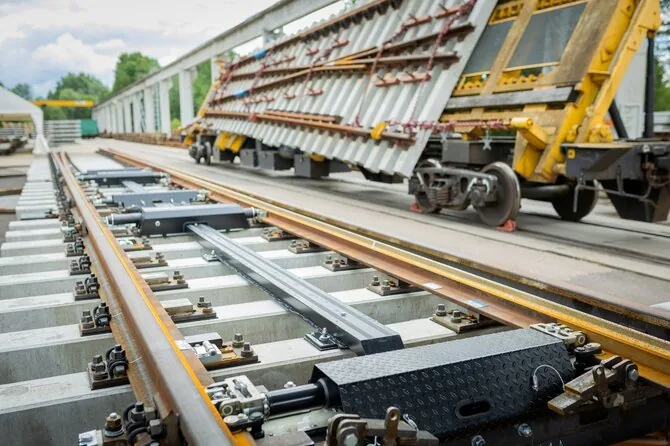
“Rail Baltica” is a strategic project of the LTG group, the European Union, and the largest railway infrastructure project in the history of the Baltic states, during which an electrified European standard railway will be built, connecting Lithuania, Latvia, and Estonia with Central and Western Europe, ensuring regional integration, civil and military mobility, and transport system resilience.
The author is solely responsible for this content. The European Union is not responsible for any use that may be made of the information contained therein.
Read more “G&G Sindikatas” announces an event they have been waiting for 9 years