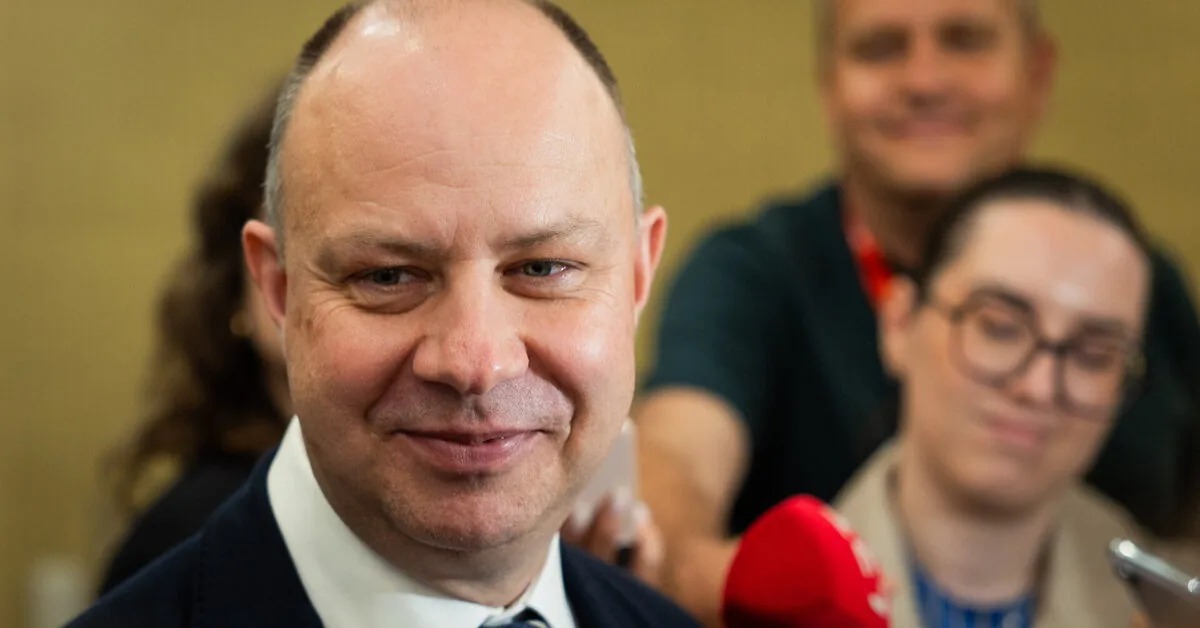
“Symbolically, it would probably be nice if we all agreed and said, I don’t see any big problem here, we can do that, but pragmatically speaking, it won’t be something that would somehow prevent a change in government or someone else from making a different decision,” the MEP said to Žinių radijas on Wednesday.
Read more KTU student proved what sounds impossible: moving faster than the wind blows
“Even in the laws, the Constitutional Court does not allow specifying a percentage, because it reduces the government’s flexibility to respond to the current situation and so on,” he added.
BNS wrote that currently the country’s leaders have agreed to allocate 5–6% of GDP to national defense by 2030. This funding is linked to the goal of developing a Lithuanian army division and hosting a German brigade.
State Controller Irena Segalovičienė last week proposed to enshrine in strategic documents that defense funding exceeding 5% of GDP will remain after 2030.
Read more In the newly formed Government – it’s already vacation time: half of the ministers will be resting
Support for political parties being able to agree on defense funding after 2030 was also expressed by the president’s chief advisor on economic and social policy issues, Vaidas Augustinavičius.
According to A. Veryga, all political parties currently agree with the proposal to allocate at least 5% of GDP to defense after 2030.
“At least I don’t hear from any political force that there is any opposition or doubt, especially in today’s context. So I don’t really know why there is a desire to somehow insure oneself in this way,” he said.