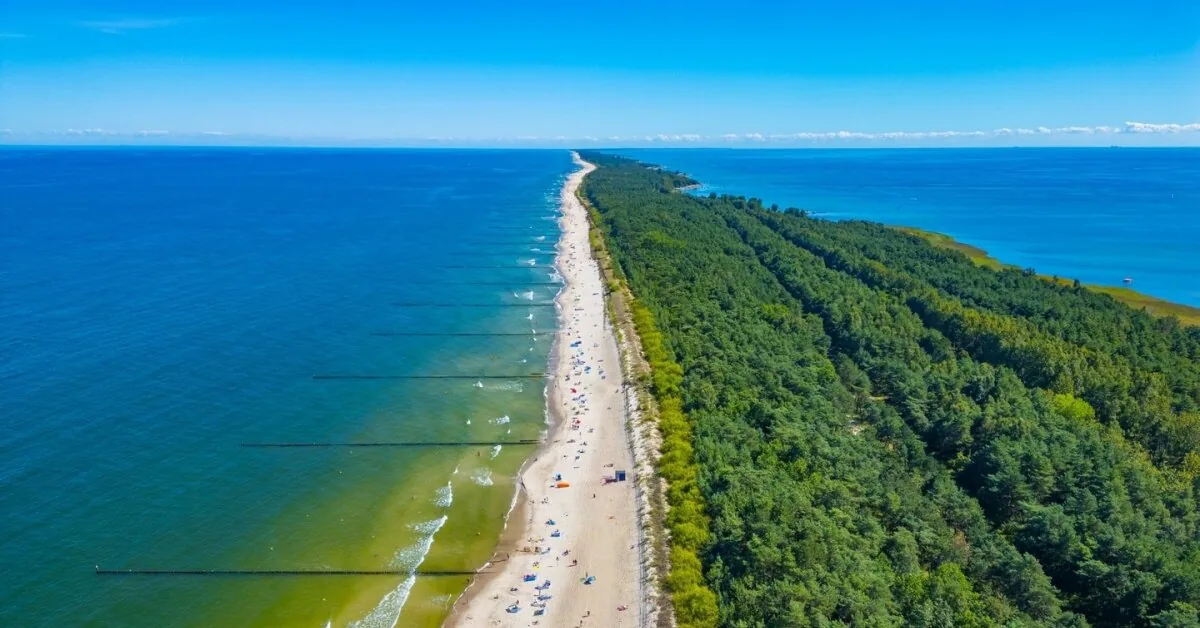
The newly launched “Wolf Trail” connects Poland, Germany, Austria, Switzerland, Slovenia, and Italy into one continuous route.
Read more A Chilean club lured the goalkeeper who became a World Cup sensation
Travelers will be able to walk almost the entire continent – it would take approximately 4–6 months, “TVP World” writes.
The journey begins on Poland’s Hel Peninsula and ends in the Italian port city of Trieste. The route is divided into seven stages, and its creators have combined existing long-distance trails that wind through sandy coastlines, ancient forests, Alpine passes, and UNESCO-protected mountain landscapes.
Travelers will be able to walk almost the entire continent.
However, this is not a challenge for beginners. Travelers face more than 78,400 meters of total elevation gain – equivalent to climbing Everest from sea level about nine times.
Under the safest conditions, the route is recommended to be completed between April and September.
The route was created by the outdoor brand “Jack Wolfskin”. Its goal is to popularize “thru-hiking” (completing long hiking routes in one continuous journey) in Europe – a phenomenon that has become particularly popular among adventurers in the USA and Canada.
For this, existing trails were combined with legal campsites, mountain huts, and settlements.
The creators state that the route will provide an opportunity to discover less-visited areas of Europe.
“Our ‘Wolf Trail’ invites you to explore Europe on foot – from the Baltic Sea to the Adriatic. This route connects nature and culture: Hanseatic fishing villages, the wine regions of Rhineland-Palatinate, and Trieste – a melting pot of cultures,” the company announces.
“Whether you complete the entire trail as a thru-hiker or choose only individual sections, you will experience the joy of long hikes in a way that suits you,” says Jack Wolfskin.
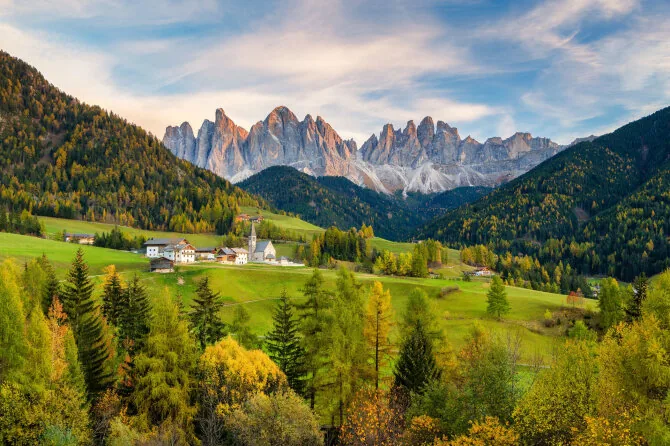
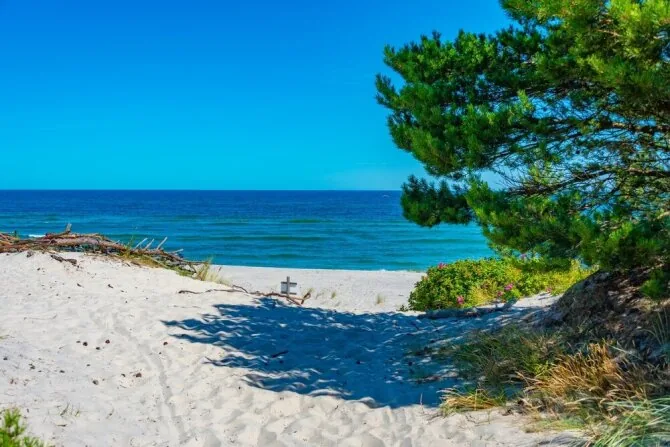
Among the most impressive places on the route are Poland’s Baltic coast’s moving sand dunes, Germany’s Black Forest, the Allgäu Alps, Slovenia’s impressive Triglav National Park, and Italy’s Dolomite Mountains. The journey ends with a descent from the Dolomites to the Trieste waterfront.
Despite the name, hikers are unlikely to encounter wolves. It is much more likely to see deer, wild boars, goats, and, if lucky, European bison, brown bears, or Eurasian lynx along the way.