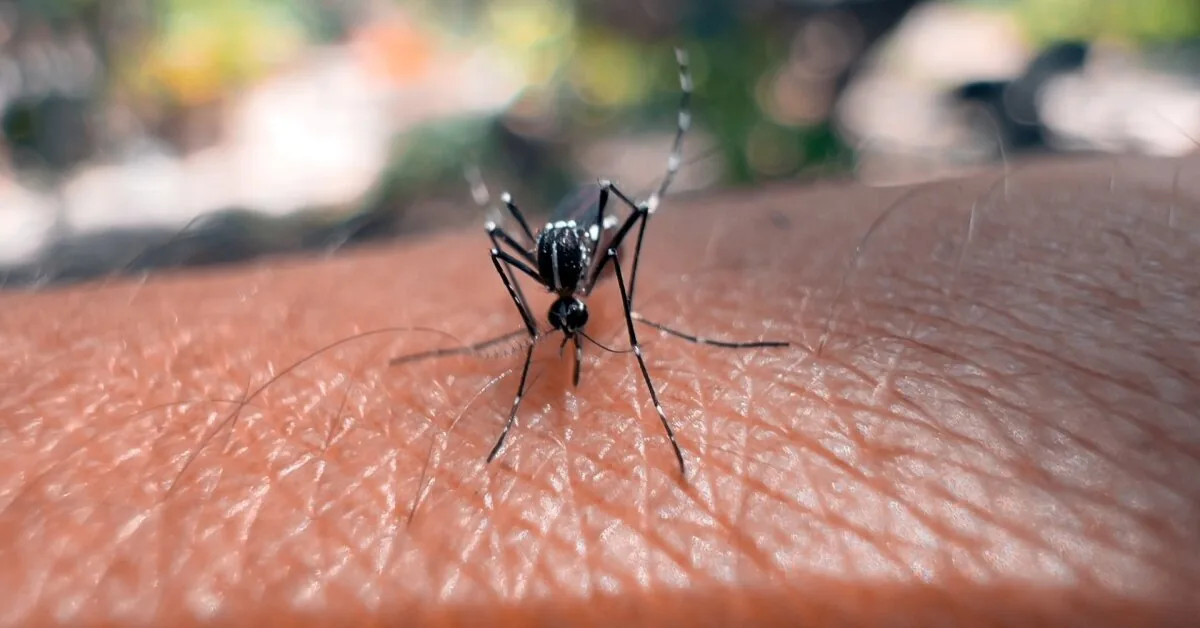
Yellow fever is a severe infectious disease spread by mosquitoes; in some cases, it can be fatal. It is usually found in certain regions of Africa, as well as South and Central America.
For this reason, it is recommended to get vaccinated against yellow fever before traveling to certain regions. According to data provided by ‘Travel Health Pro’, yellow fever cases have already been confirmed this year in Bolivia, Brazil, Colombia, Ecuador, Peru, Venezuela, Burkina Faso, the Central African Republic, and Cameroon.
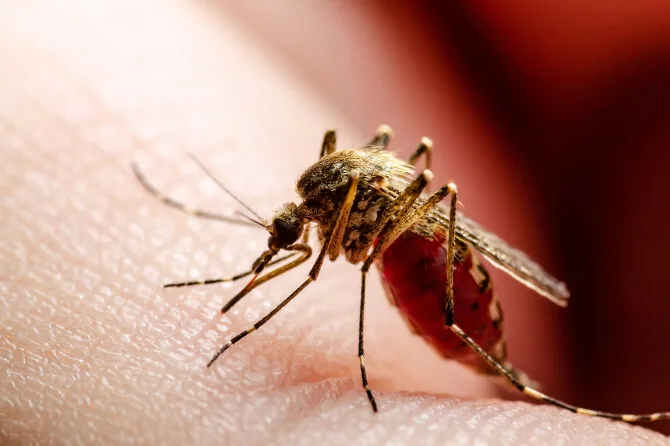
Suspected cases have also been reported from five countries: Angola, Côte d’Ivoire, Gabon, Ghana, and Nigeria. This follows a 5.6-fold increase in yellow fever cases in 2025 compared to 2024.
Regarding the Americas region, ‘Travel Health Pro’ stated: ‘Yellow fever poses a risk in 13 countries and territories in South and Central America. In 2025, a high number of cases were recorded in this region: 346 human cases were confirmed in seven countries (including 143 deaths).'”
This means that the number of cases increased 5.6 times compared to 2024. Since the beginning of 2026, a total of 79 confirmed cases have been reported from six countries: Bolivia, Brazil, Colombia, Ecuador, Peru, and Venezuela.
The report on Africa states: ‘Yellow fever (YF) still poses a threat in 29 African countries, with this region bearing the brunt of the global disease burden. Many countries in the region continue to report probable and confirmed cases.
Since 2023, new infections have been identified in eight countries where no YF cases had recently been recorded; this indicates that the virus is circulating in areas with low vaccination coverage. In 2025, outbreaks were recorded in Angola and the Central African Republic. Since the beginning of 2026, 16 confirmed cases have been reported in three countries: Burkina Faso, the Central African Republic, and Cameroon. Suspected cases have also been reported from five countries: Angola, Côte d’Ivoire, Gabon, Ghana, and Nigeria.”
Tips for travelers
Before traveling, you should research the country you are visiting and find out:
- whether there is a risk of yellow fever;
- whether vaccination against yellow fever is recommended;
- whether you need a yellow fever vaccination certificate to enter the country.
According to the NHS, yellow fever symptoms usually begin three to six days after being bitten by an infected mosquito, but sometimes they can appear later. Some yellow fever symptoms are similar to flu symptoms, such as:
- high temperature,
- headache,
- nausea or vomiting,
- various body aches,
- loss of appetite,
- general malaise
These symptoms often last three or four days. However, a small proportion of people develop more severe symptoms within 24 hours of feeling better. More severe symptoms include:
- yellowing of the skin and eyes (jaundice),
- dark urine,
- abdominal pain,
- bleeding from the eyes, nose, mouth, or stomach – blood may be present in vomit or stools.
The NHS (National Health Service) states: ‘These more severe symptoms can be fatal.’ If you feel unwell after returning from a country where yellow fever is prevalent, you should urgently contact your family doctor.
Read more Poland is ravaged by heavy rains: ponds overflowed, damage – millions