




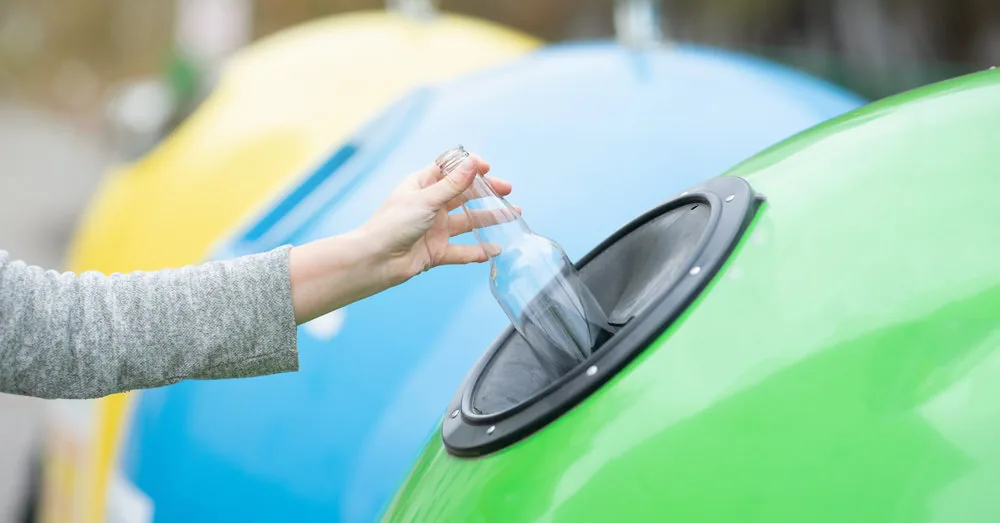
Players had to sort packages into containers for paper, plastic, and glass within a limited time. For correct choices, they collected points, and if they made mistakes, they lost game lives. Extensive involvement showed that people care about sorting not only at home – they eagerly took on learning to separate packages even while playing.
Read more First Lithuanian blueberries – already in stores: how their price has changed
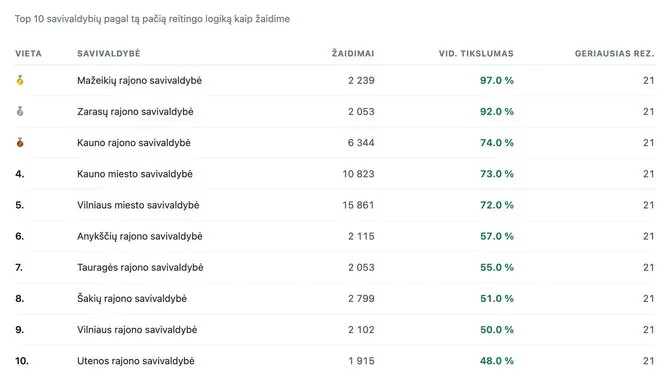
Mažeikiai, Zarasai, and Kaunas district stood out with their activity and good results. The five best-performing municipalities will also receive a long-term prize – the “Gamtos ateitis” team will plant an oak tree in each of them.
Mistakes helped remember tips
The game was also accompanied by articles in which well-known people opened their homes and talked about their daily sorting habits. Kotryna Žukauskaitė-Šiaučiulė, head of sustainability culture at “Gamtos ateitis”, was pleased that readers could see that responsible waste management starts with simple daily choices.
“It’s great that the curtain on home habits is lifted and we can get to know the daily lives of famous people. Miracles don’t happen with waste – if we sort, we show respect and love for nature,” she said.

The association’s representative was most impressed not only by the large number of players. “Games always attract the attention of enthusiastic people, but the accuracy was the most pleasing. Even after making mistakes several times, players remembered the tips and later successfully sorted correctly. I hope this will transfer to real containers as well,” said K.Žukauskaitė-Šiaučiulė.
Leaders’ success is not accidental
The interviewee links the results of Mažeikiai, Zarasai, and Kaunas district, which stood out in the overall standings, to the resident education that had already taken place in these municipalities and the consistent work of responsible specialists.
This year, a season opening celebration was held in Zarasai, attended by residents from surrounding towns. Together with representatives of the “Mes darom” initiative, they practically learned to sort and spent time together.
In Mažeikiai, according to K.Žukauskaitė-Šiaučiulė, the results of the long-term work of municipal specialists are already visible. She also links the performance of Kaunas district to broader preventive programs implemented in the Kaunas region and attention to sorting rules.
“We all work together as coaches for champions – sorting champions,” she vividly summarized.
Information overload is misleading
The latest “Repsense” study revealed that residents do not lack the desire to sort. One of the most important problems is the abundance of rules, tips, and recommendations presented in different ways. Instead of helping, excessive information can confuse people even more.
Sorting containers are not intended for all items made of plastic, paper, metal, or glass, but primarily for packaging.
“We want to sort in Lithuania, but the abundance of rules, presentation forms, and variety of recommendations is already becoming a misleading factor. Sorting is simple when it becomes a clear personal system, and it must be based on the simplest rule – sorting containers are for packaging,” emphasized K.Žukauskaitė-Šiaučiulė.
Read more Klaipėda-Kaunas highway will be closed: in which direction and when?
This rule was also sought to be established through the game. Sorting containers are not intended for all items made of plastic, paper, metal, or glass, but primarily for packaging.
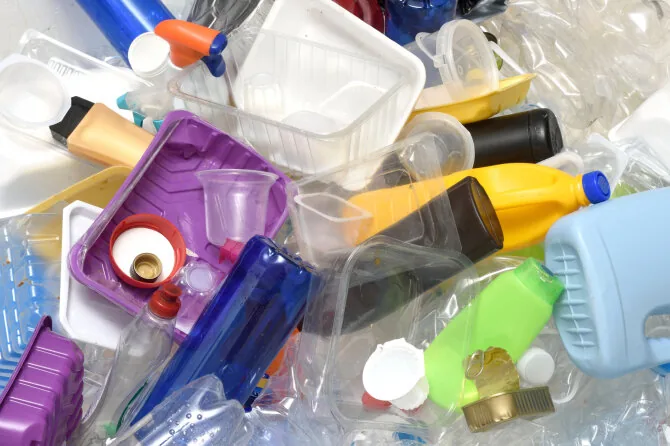
Clearly separating packaging from other items is important due to the still high contamination of sorting containers. When food waste, remnants of repair materials, textiles, or other unsuitable items enter them, the processing and recycling of collected packaging become more difficult.
“It’s important to change our perception – packaging is not trash. It’s not an apple core or a plastic razor. They are pure raw materials, so when we carry them to the appropriate container, we are not throwing them away, but placing them in the right spot so they can return to the market,” explained the representative of the “Gamtos ateitis” association.
Properly sorted packaging is a kind of recycling treasure. It can be collected, recycled, and return to our hands once again in the form of a can, bottle, jar, or other packaging. By throwing it into a mixed waste container, we simply bury this treasure among the trash and significantly reduce the possibility of reusing the raw material.
The interactive format allowed participants not only to show what they already knew but also to immediately see their mistakes. According to K.Žukauskaitė-Šiaučiulė, such an experience can remain in memory and later help in making decisions at a real container.
“When we see our everyday, completely unintentional mistakes while playing, it’s much easier to stop and remember them in our routine. We tend to make correct decisions and avoid mistakes, and a game is an excellent tool for recognizing our own errors,” she stated.
An oak tree for five municipalities
The game results will be marked not only by points in a table. “Gamtos ateitis” will donate an oak tree to each of the five best-performing municipalities, which will be planted by the association’s team.
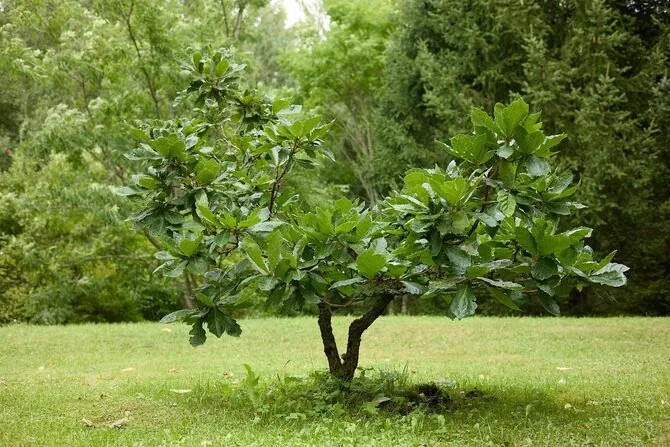
This tree was chosen as a symbol of long-term and not always immediately noticeable change.
“We want the gift to remain in nature. Correct sorting is a slow, meaningful process that ultimately rewards us. Just like the growth of an oak – not suddenly noticeable to the naked eye, but undoubtedly meaningful, civic, close, and ultimately unbreakably strong,” said K.Žukauskaitė-Šiaučiulė.
The game points have already been counted, but the most important result will become clear daily at the sorting containers. It is there that we decide whether the packaging will be buried among mixed waste or get a chance to return to our hands once again.