What is eutrophication?
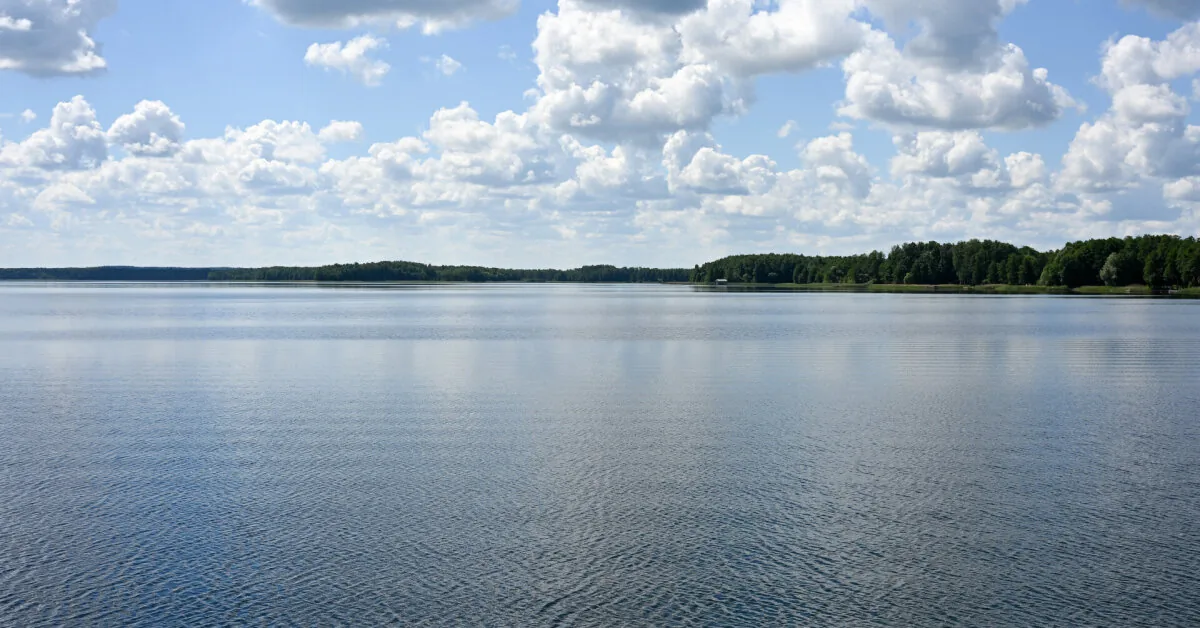
Eutrophication is a process where an excessive amount of nutrients, primarily nitrogen and phosphorus, accumulate in a body of water. A small amount of these nutrients is essential for all aquatic plants and organisms, but their excess disrupts the natural balance of the ecosystem. The water becomes like a heavily fertilized field – algae and cyanobacteria, also known as blue-green algae, begin to grow very rapidly. It is their massive proliferation that causes water blooming. Rapidly multiplying algae and cyanobacteria block sunlight from underwater plants. Later, this huge mass of organic matter begins to decompose, consuming a lot of dissolved oxygen in the water. Due to oxygen deficiency, fish and other aquatic animals start to suffocate, biodiversity decreases, water quality deteriorates, and lake eutrophication accelerates.
Read more Wilted petunias can still be saved: what needs to be done before autumn
Although eutrophication can occur naturally, today its scale is mainly determined by human activity. Intensive agriculture, abundant use of mineral and organic fertilizers, improper management of manure and slurry, insufficiently treated domestic and industrial wastewater – all these increase the amount of nitrogen and phosphorus in the environment. These substances are washed from fields into ditches, streams, rivers, and eventually reach lakes and other water bodies during rainfall. Natural coastal meadows, reed beds, and wetlands used to act as natural filters, but in many places, they have been drained or destroyed, so pollutants enter the water much more easily.
Climate change also affects eutrophication. Warmer summers, longer heat periods, and calm, less mixed water are ideal for cyanobacteria proliferation. Cases of water blooming have been recorded more frequently and last longer in recent decades. Increased precipitation enhances nutrient runoff from agricultural lands and other basin areas into rivers and ultimately into the Baltic Sea.
Eutrophication also affects the Baltic Sea
The Baltic Sea is one of the most eutrophication-affected marine regions in the world. The condition of the Baltic Sea is determined by a combination of natural processes and human activities. The Baltic Sea is quite enclosed, so water renewal is slow – on average every 25–35 years. Many large rivers flow into this sea, bringing large amounts of nitrogen and phosphorus from cultivated fields, cities, and industry. Ultimately, about 85 million people live in the Baltic Sea basin area, so human impact on this ecosystem is very significant. Due to the excess of nutrients, intense cyanobacteria blooms often occur, oxygen becomes depleted near the bottom, anoxic zones form, and over time, the sea’s biodiversity and ecosystem functioning change.
Read more The diplomacy leader awarded diaspora representatives and organizations
Specialists from the Environmental Status Analytics Center of the Environmental Protection Agency have prepared an interactive dashboard presenting eutrophication indicator data for the Lithuanian Baltic Sea region from 2012 to 2023. These data allow assessing changes in environmental status and their compliance with good environmental status (GES) criteria.
State environmental monitoring data show that eutrophication remains one of the most important water pollution problems in the Lithuanian Baltic Sea region. The highest concentrations of total nitrogen, total phosphorus, and chlorophyll-a (a phytoplankton pigment) and the lowest water transparency are found in the Curonian Lagoon waters spreading into the Baltic Sea zone (intermediate waters), while the lowest concentrations and highest water transparency are observed in the open sea. Compliance with good environmental status (GES) criteria varies across different water bodies. Total phosphorus and chlorophyll-a concentrations in coastal waters have met or been close to GES criteria in recent years. Meanwhile, total nitrogen concentrations in the Lithuanian Baltic Sea region remain too high, and water transparency too low to achieve good environmental status values. Comparing the periods 2012–2017 and 2018–2023, the values of individual indicators changed unevenly, but the overall eutrophication assessment essentially did not change. The interactive dashboard data can be viewed here.
Project “Information on environmental pollution prevention and control”
Project partners: Environmental Protection Department, Environmental Protection Agency, Lithuanian Geological Survey
Read more «Nvidia» briefly lost the title of the world’s most valuable company
Project implementer – Environmental Project Management Agency
The project is funded by Cohesion Fund resources.