Pharmacist A. Krušnienė states that before deciding to get a tattoo, it is very important to inquire not only about the work, competencies, technique of the tattoo artist, and the sanitary conditions of the tattoo salon, but also about your personal health condition. If you have chronic skin diseases, a weak immune system, allergies – it is recommended to consult a doctor beforehand.
Read more One-room apartment – only 300 Eur: see where you would live
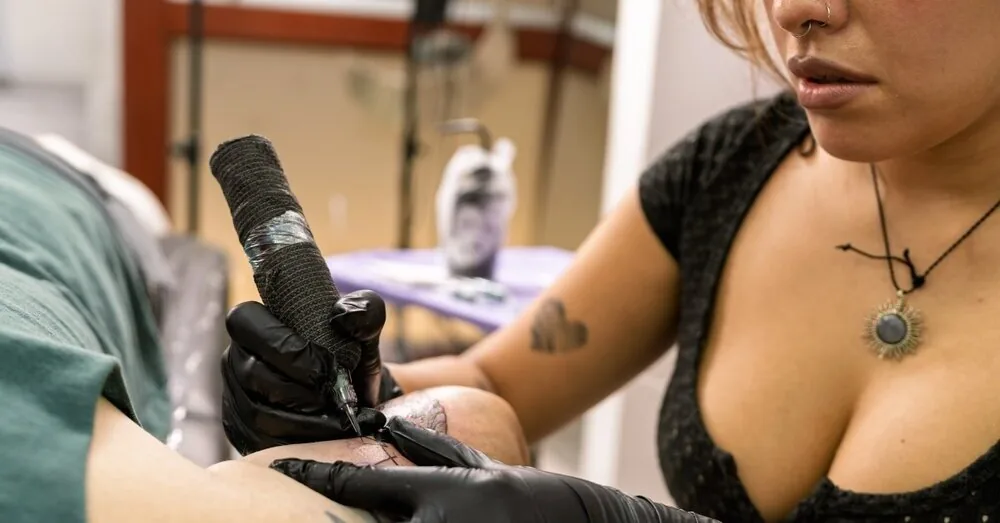
“It is very important to get a tattoo done under safe and sterile conditions, in professional tattoo salons, and not in strangers’ homes, nightclubs, or elsewhere. The devices used must be sterile, and the tattoo artist must follow strict hygiene rules: use medical masks, disposable gloves, keep ink and needles in sealed, sterile packages. Only certified artists will explain how to care for your skin afterwards, recommend products for tattoo care, identify possible risks, and how to avoid them,” she notes.
The pharmacist warns that special needles are used to draw a tattoo on the body, which damage the skin during the process and inject color pigments into it. The number of needles for each tattoo may vary depending on the thickness of the lines and the area of skin covered.
“I would advise considering that a tattoo is a wound that heals just like any other. After engraving the desired design with a special needle, the skin around it may become red, swollen, bleed, but usually this lasts a short time,” adds the “Camelia” pharmacist.
It is important to consider possible risks
According to pharmacist A. Krušnienė, if a tattoo is done and cared for improperly, several risks may arise. She says she has encountered patients whose tattoos became infected or suppurated due to dirt entering them. If the tools used are not sterile, fungal infections, various bacteria, or viruses such as hepatitis B or even HIV can also be contracted.
“Infection may manifest as redness, swelling, local pain, warmth around the tattoo site, and the appearance of yellowish, whitish, or greenish pus. Without medical attention, fever, chills, muscle pain may also occur. In cases of infection, treatment with antibiotics or even surgical drainage of the abscess may be necessary, so it is important to seek help as soon as possible. Without treatment, the infection spreads and can cause sepsis,” says the pharmacist.
Read more To Reverend Karolis Petravičius – the title of Honorary Citizen of Kretinga District
She also reminds about the possibility of allergic reactions – both the inks used for tattooing and the protective films applied later can cause itching, rash, swelling, redness, or even more severe skin damage.
How to care for a tattoo?
According to A. Krušnienė, proper tattoo care is a very important detail throughout its healing process. For some time, usually several weeks, you should avoid going to the pool, sauna, or bathing in public water bodies – these can also infect the skin with various bacteria. It is also advised not to enjoy sunbathing, exfoliate the skin, or depilate. Until the tattoo is fully healed, it should not be scratched, rubbed, or picked at the scab – this can not only damage the design and final result but also increase the risk of infections.
“A tattoo usually heals within 2–4 weeks, but sometimes it may take several months depending on the size, location, and individual skin characteristics. It is also important to care for it properly to avoid infections and ensure good healing. For the first few days after the procedure, the tattoo should be kept covered according to the artist’s recommendations, and only warm or cooler showers should be taken, as hot water can promote bleeding. When the bandage or special film is removed, it is advised to gently wash the tattoo with warm water and mild soap,” lists the pharmacist.
According to her, while the tattoo is healing, appropriate skin care products should be used, as regular body creams may not provide the necessary benefits. The tattoo should be applied several times a day with a moisturizing cream containing dexpanthenol. This active ingredient promotes skin regeneration and the healing process of damage, and various antiseptics applied to the skin may also be useful.
“The cream may also contain vitamin E, as it is a strong antioxidant that protects the skin from damage caused by free radicals. Aloe vera, vitamins A and D can also speed up healing, preserve skin softness and moisture,” shares A. Krušnienė with advice.
Read more ES states that there will be no «neutral intermediary» between Ukraine and Russia