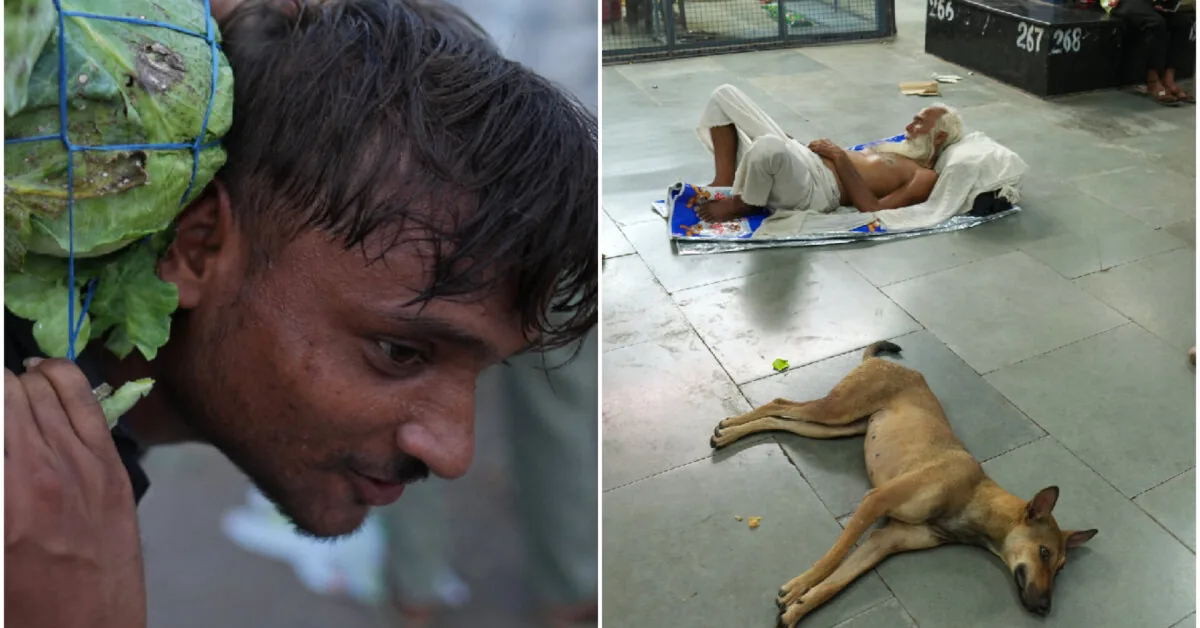
The heat lingers around the clock – even in the middle of the night. Long power outages mean that in some homes it is impossible to turn on even the simplest fans. People are constantly looking for ways to cool down: for example, pouring water from hoses or sleeping outside. For many residents of Banda – a city in northern India that records some of the highest temperatures in the country – just surviving the day is a real challenge, writes the Daily Express.
Read more Friedrich Merz promises to extend a hand to any French leader elected in 2027
Due to global warming, mainly caused by the burning of fuels such as gas, oil, and coal, heat waves in India are becoming more frequent and intense. Uttar Pradesh – the state where Banda is located – is one of the most vulnerable to extreme heat. During a severe heat wave that raged for several days in 2023, at least 119 people died in some parts of this state.

In May, the temperature here rose to 48.2 degrees – one of many times this year when this city recorded the highest temperature of the day in the entire country. According to climatologist and meteorological historian Maximiliano Herreros, who monitors global extreme weather events, Banda was the hottest place on Earth seven times this year (mostly in April). Since then, the temperature has dropped slightly, but the scorching heat still lingers, especially due to increased humidity from seasonal rains.
In June, an Associated Press team went to Banda to describe how people try to endure the heat all day long.
Munni Devi and her four sons start loading vegetables when most of the city is still asleep. Although it is only 4 a.m., the temperature already reaches 30 degrees. Workers at Banda’s vegetable market are busy unloading tomatoes, breadfruit, and other vegetables and transferring them to smaller vehicles for delivery to nearby shops.
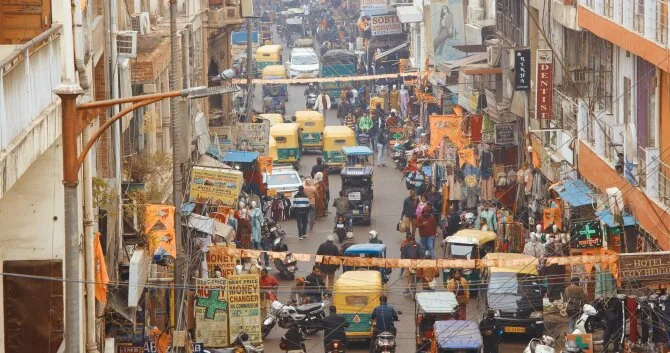
70-year-old Munni says the heat is getting stronger every year, and this year has been especially tough. This work is physically demanding in any weather, and during heat waves – simply unbearable. Still, Munni says she and her sons cannot afford to miss a single day.
“Everyone feels the heat, but due to circumstances, we have to endure it,” she says. Munni explains that many buyers come early, hoping to shop before the temperature reaches its peak.
M. Devi works with her sons from early morning until noon, then returns home to rest. She says that due to unstable electricity supply, it is hard to find relief even at home.
To ease the discomfort a bit, M. Devi sprays her grandchildren daily with water from a hose. “When the power goes out, even ceiling fans don’t work. Sometimes the electricity is out for hours,” she says. As the afternoon sun bakes Banda’s streets, residents who can afford to stay indoors do so. But some vegetable sellers and motor rickshaw drivers remain outside, hoping to attract more buyers or customers.
Meanwhile, 70-year-old animal lover Shobharam Kashyap makes wooden birdhouses in his home workshop. S. Kashyap says that together with other volunteers, he has installed more than 15,000 birdhouses across the city to provide shelter for birds.
Read more A fresh and simple dessert for a hot day: watermelon ice cream with yogurt
Painted in bright colors – mostly green, which, according to the man, birds like the most – Shobharam’s birdhouses are attached to trees and walls throughout Banda. Near his home, he has also placed clay pots with water so birds can refresh or drink. In previous years, during heat waves, there were cases of overheated birds falling from the sky.
Hotter weather has increased the number of patients at Banda hospital – one of the largest medical centers in the region. People suffering from heat-related illnesses – from fainting to heat stroke – mostly seek medical help in the afternoon and evening, filling hospital corridors and wards.
Hospital chief doctor Dr. Abhishek Pranayami says that every summer the number of patients increases, “and the number grows every year.” According to him, many people are treated for dehydration, diarrhea, vomiting, and abdominal pain – ailments that occur more frequently with rising temperatures. Some patients recover within a few days, others need more time. “It is a heavy burden for us and the staff,” he says.
Even after sunset, it remains hot in Banda. At the city railway station, families sometimes gather late at night, hoping that the open platforms and the occasional breeze will be more pleasant than cramped homes that have absorbed heat all day. On one such night, dozens of people slept at the station to avoid the heat.
Among the people lying on the ground are dogs – they too look for ways to get some relief from the heat. Workers whose homes are too cramped and hot to sleep in spend the night on blankets near the railway station entrance, trying to rest a bit.
What is happening here is a global phenomenon.
“Climate change is altering average indicators,” says Abhiyant Tiwari, a climate and health expert from NRDC India based in New Delhi. “Although Banda has always been known for hot summers, now the intensity, duration, and number of people experiencing dangerous heat are changing.” High nighttime temperatures are especially concerning because they prevent people from physically recovering from the day’s heat, he says.
The highest Banda government official says authorities have responded by opening cooling centers, distributing hundreds of thousands of oral rehydration kits, and monitoring hospital operations during heat warnings.
Banda district administration head Amit Aasery says officials are analyzing groundwater levels, soil moisture, and vegetation loss while working to improve water supply and increase public awareness. However, he admits their capabilities are limited. “What is happening here is a global phenomenon,” he says. “It is caused by climate change. We are experiencing its consequences.”
Read more 7.3 magnitude earthquake shakes Mexico: tsunami warning issued