Insomnia and its types
Insomnia can manifest in different ways, often classified by its symptoms and duration. For example, sleep-onset insomnia is one of the most common forms of insomnia, where a person has difficulty falling asleep at night despite feeling tired, according to a press release.
Read more Oksana Pikul – about street racing, electric cars, and Formula 1
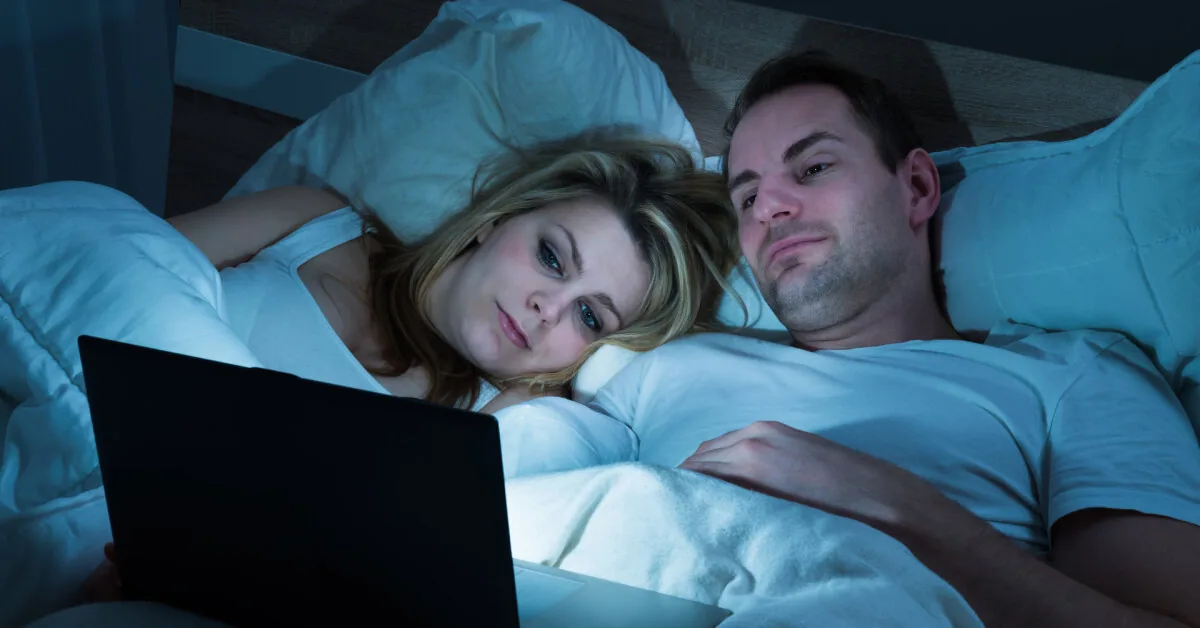
“This problem is most often associated with stress, anxiety, intensive use of smart devices before sleep, irregular sleep schedules, or increased caffeine intake in the evening. Short-term sleep-onset insomnia often resolves after removing the cause, but if it recurs over a long period, it may be a sign of chronic insomnia,” explains pharmacist T. Gečienė.

Another type of insomnia is sleep maintenance insomnia, where a person frequently wakes up during the night and finds it difficult to fall back asleep. For these reasons, sleep becomes fragmented, and the person feels unrefreshed in the morning.
“This type of insomnia can be linked not only to stress but also to chronic pain, various diseases, or health conditions. For example, sleep can be disturbed by sleep apnea, reflux, or problems related to prostate function. Frequent awakenings at night may be a signal to pay attention to other health disorders,” says T. Gečienė.
Short-term and long-term insomnia
Early awakening insomnia is another type, where a person falls asleep normally at night but wakes up much earlier than planned and cannot fall back asleep. “The most common cause of early awakening insomnia is an advanced circadian rhythm, which signals the body that it is time to start the day,” adds T. Gečienė.
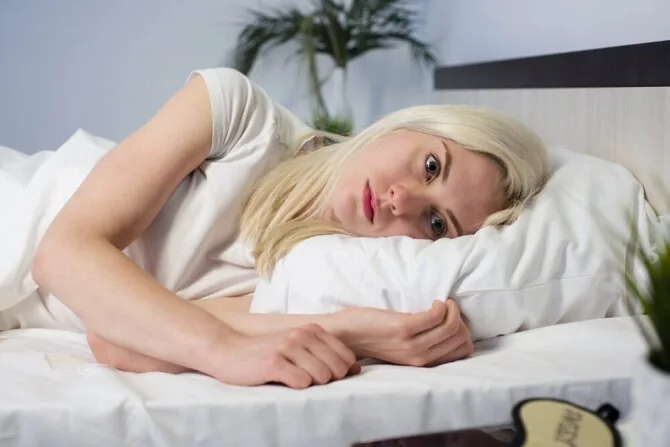
According to the pharmacist, various factors can cause an advanced circadian rhythm, such as depression or anxiety, sleep changes in older age, the effect of alcohol consumed before sleep, or other physiological disorders.
Insomnia is also classified by duration – short-term insomnia can last up to several weeks, while chronic insomnia usually recurs at least three times a week and lasts longer than three months.
“Sometimes small steps can help overcome insomnia, such as proper sleep hygiene. This includes a regular bedtime and avoiding caffeine in the second half of the day.
Read more China strongly reacted to Donald Trump’s accusations
Proper sleep hygiene also means avoiding any screens emitting blue light at least an hour before sleep, as blue light reduces melatonin secretion in the body,” adds T. Gečienė.
Untreated insomnia has consequences
Another step to ease falling asleep is the use of herbal teas, such as chamomile, lemon balm, hops, or valerian root, which help calm down and fall asleep more easily.

“Melatonin-containing dietary supplements are suitable for easier falling asleep and better quality sleep. Melatonin is a hormone naturally produced in our body that regulates the sleep-wake cycle. Melatonin secretion naturally increases in the dark and decreases in the morning when the body is exposed to sunlight,” explains T. Gečienė.
The pharmacist notes that when dealing with sleep disorders, it is important not only to use herbal remedies or supplements but also to maintain good sleep hygiene, balanced nutrition, and physical activity.
If insomnia persists longer than 3 or 4 weeks despite trying all these measures and adjusting lifestyle habits, the pharmacist advises consulting a doctor. Untreated insomnia over time can contribute to various psychological and physical health disorders, increase the risk of chronic diseases, and significantly worsen quality of life.
“Constant lack of sleep weakens the immune system, reduces productivity, impairs concentration, memory, and emotional regulation. Moreover, untreated insomnia is associated with a higher risk of cardiovascular diseases, obesity, depression, type 2 diabetes, and anxiety disorders. Timely professional help helps identify the causes of insomnia, select the most appropriate treatment, and prevent long-term complications,” adds T. Gečienė.
Read more In the «Škoda Superb» trunk, the driver fit 4,500 packs of cigarettes