All information about the race
Long-distance car races are unimaginable without high speeds, fierce competition, and, of course, a certain amount of risk.
Read more A little more than one fifth of the population knows where the nearest shelter is near their home
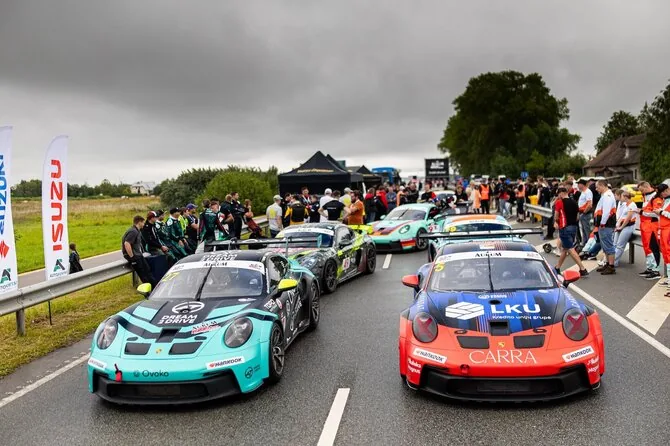
However, the organizers of the “Aurum 1006 km powered by Hankook race” claim that a large part of the risk can and should be prevented well before the cars hit the track. The organizers of the marathon race in Palanga strictly test not only the cars but also evaluate the drivers themselves before the start, and, as the athletes themselves say, some of the requirements applied here are higher than in many other circuit races.
A license alone is not enough
Although all participants must have a valid motorsport license, it is not enough to start in the largest race in the Baltic countries with just that. Every year, a commission composed of organizers, the race director, and sports commissioners evaluates the experience of all registered participants, their history in previous races, and their preparation for the upcoming race. First-time participants must provide information proving that they have sufficient qualifications and are properly prepared to start in this race.
Unlike many permanent race tracks, the track that appears once a year in Palanga has its own specifics, and very different performance cars race on it simultaneously – from slower, near-standard cars to professional GT3 cars. Due to the large speed differences, there are many more overtakes here than in usual circuit races, so every driver must not only control their car but also constantly monitor the entire situation around them.
“We do not assess whether a person is fast. They can be very fast or very slow – that is not the most important thing for us. What matters is that they know the procedures perfectly, understand the meaning of flags, feel the environment, and know how to behave when overtaking or letting faster cars pass. All this is directly related to safety,” says Darius Jonušis, organizer of the “Aurum 1006 km powered by Hankook race.” He reminds that in some cases, decisions are made after registration and even after paying the entry fee. This happens if the commission decides that a particular driver still lacks experience, and the team is recommended to replace them with another driver.
The organizers evaluate not the finishing protocols but how the athlete behaved in previous races. They analyze whether the driver was involved in frequent incidents, whether they obeyed flag signals, and whether the judges had to apply disciplinary penalties due to their actions. If a racer appears on the track for the first time, their recent years’ experience, participation in other races, and preparation are evaluated.
Read more The President of Latvia visits Lithuania
D. Jonušis states that every year there are cases when even licensed athletes are recommended not to start in this race yet. Such decisions are made not because of lack of sporting skill or results but to ensure that all drivers on the track can operate safely under the complex and specific conditions of long-distance endurance racing.
Strict evaluation of race equipment
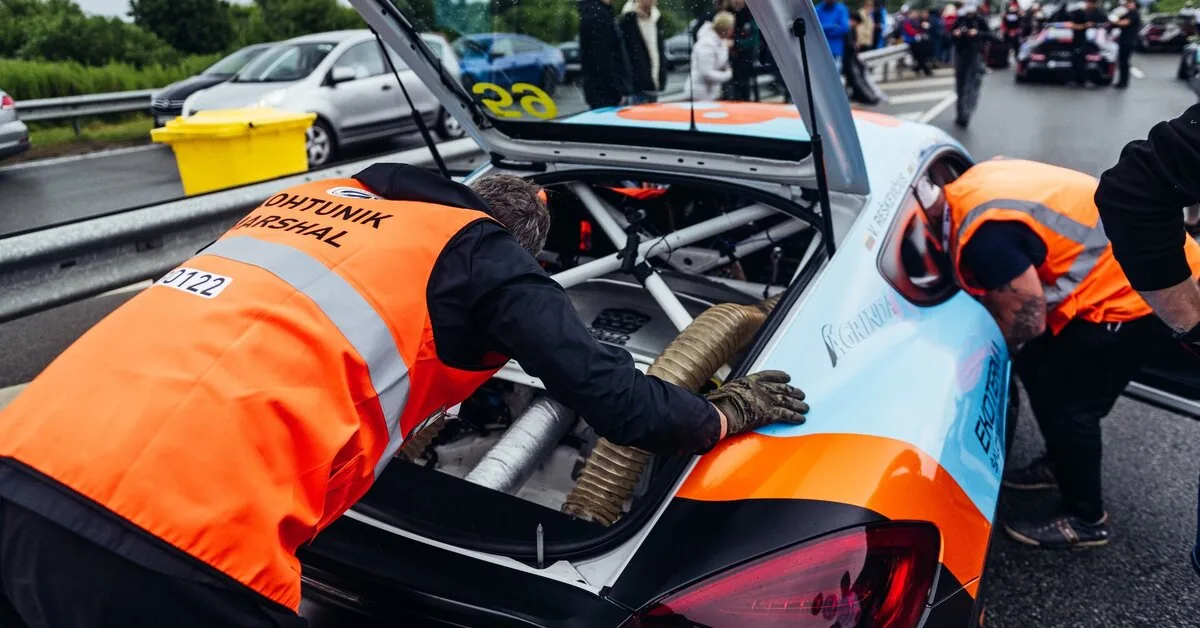
No less attention is paid to the equipment. All cars must meet FIA safety requirements, only homologated safety equipment is allowed, and the organizers reserve the right to refuse the start to a car that does not meet technical requirements.
Some additional requirements have appeared precisely considering the specifics of the Palanga track. For example, the organizers pay special attention to the braking system because brakes that become very hot after stopping in the refueling zone can become a serious problem at the first sharp braking point. Therefore, both safety equipment and solutions that help reduce the likelihood of technical failures during long races are checked and mandatory.
“You can never say that you will completely avoid risk, but you can always try to minimize its likelihood as much as possible. That is why we set such requirements for both drivers and cars that often exceed those provided in LASF or FIA rules. After all, we want to do everything that depends on us,” says D. Jonušis.
According to the organizers, this approach allows maintaining a high level of racing and ensures that the largest long-distance car race in the Baltic countries remains not only impressive for spectators but also as safe as possible for its participants.
Read more Palanga «Aurum 1006 km race» program