According to them, last month’s foiled attack at Leipzig Airport, where a drone loaded with explosives was found, demonstrated Russia’s impunity in aggressive actions against NATO and the ineffectiveness of current deterrence measures. Officials emphasized that joint actions by European capitals are necessary to respond.
Read more Vytaras Radzevičius’ farm suffered a tragedy: «A brutal crime has occurred»
“It is clear that we are not doing enough to deter provocations that do not reach the level of Article 5. We ensure sufficient deterrence to avoid conventional or nuclear escalation by Russia. However, we really need to reconsider our approach to hybrid warfare,” said a senior Western defense official.
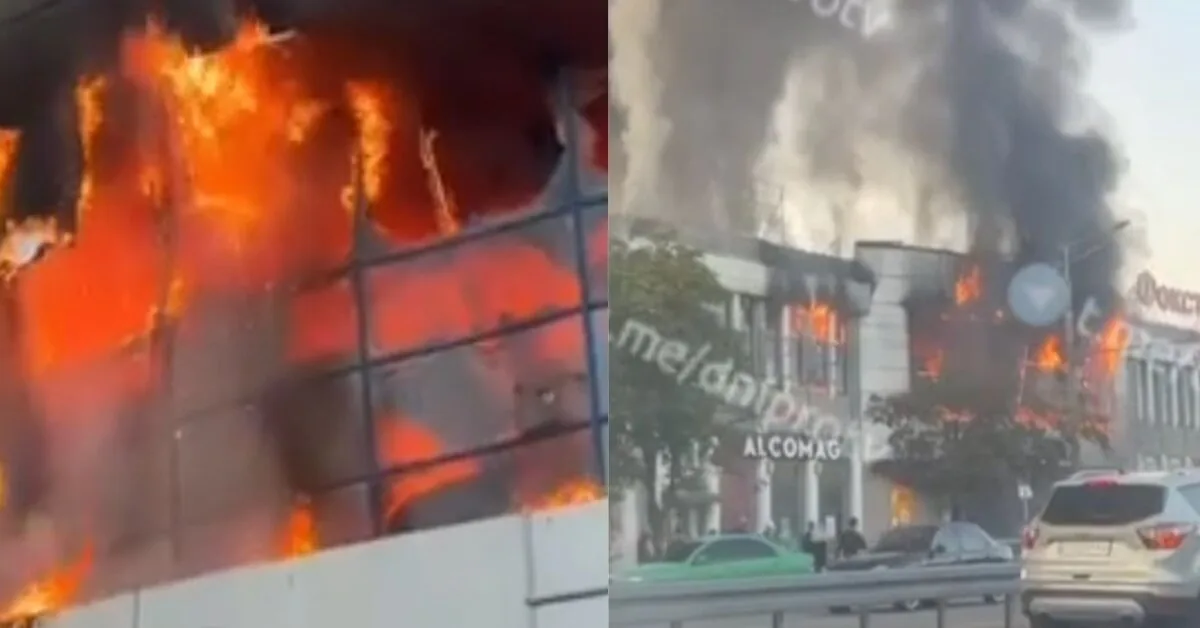
Journalists reminded that while regular Russian forces are stuck in Ukraine, Russian proxies and special services have been conducting a covert war on European territory for the past two years: spreading disinformation, carrying out cyberattacks, burning warehouses, attacking politicians’ homes and cars, as well as cutting or damaging underwater cables.
This became a real turning point
Another senior Western official stated that the attack in Leipzig is considered a turning point that had a “very, very significant impact” on the capitals of European NATO countries. According to him, discussions at the “highest level” are ongoing to prepare a long-term and sustainable response.
The FT article notes that the situation is complicated for the Alliance by the changed US policy towards Russia under President Donald Trump, who tries to downplay the threat posed by Moscow. Asked about the attack in Leipzig, he stated that Putin “does not intend to attack NATO territory.”
Journalists write that European intelligence services are preparing for a more intense campaign of “small” Russian attacks: acts of vandalism, sabotage, and even arson of civilian facilities. According to a third official, this may coincide with important elections next year in France, Italy, and Poland.
“I don’t think Russia’s goals and objectives in Europe have changed. We have changed – those who experience these attacks. The problem is that the line separating actions from the application of Article 5 has been blurred. Until this line is clearly defined, Russia can continue to push it. If we do not demonstrate the cost of such actions, they will continue to exert pressure,” said Keir Giles, a staff member at the Chatham House analysis center and an expert on Russian military doctrine.
Calls for NATO to review its approach to hybrid warfare
Defense and intelligence officials, especially in Eastern European countries bordering Russia, are urging NATO to fundamentally review its approach to hybrid conflicts and establish clear boundaries for when decisive countermeasures should be taken. In their opinion, this is necessary to show Moscow that it cannot impinge on European societies with impunity.
Read more Germany urges UN court to dismiss genocide case in Gaza Strip
“We clearly see an increased Russian willingness to take risks and its recklessness. We cannot allow this to become the new norm,” said a senior official from a NATO country.
Experts assess that the four-week delay from the Leipzig attack to Germany’s official accusation of Russia is an example of collective reluctance to openly name Moscow’s actions. According to them, such indecisiveness encourages Russia to continue its campaign.
“The fact that the Germans did not do this immediately after the Leipzig attack is really surprising. It gives the impression that Germany still measures its response to such incidents by how far it can go without risking provoking further Russian escalation. This is a completely wrong approach,” said Charlie Edwards, senior research fellow on strategy and national security at the International Institute for Strategic Studies.
Tensions between Europe and Russia are rising
Germany directly accused Russia of organizing the drone attack on Leipzig Airport. German Interior Minister Alexander Dobrindt and foreign policy politician Johann Wadephul announced that the Russian consulate in Bonn will be closed due to this incident, and Berlin will initiate the expansion of sanctions against Russia at the European Union level.
J. Wadephul noted that Germany decided to terminate the contract for the Russian House in Berlin, introduce stricter controls on the arrival of Russian citizens, and increase pressure on the “shadow fleet.” He added that this was a hybrid operation conducted by Russia in Europe, backed by state actors.
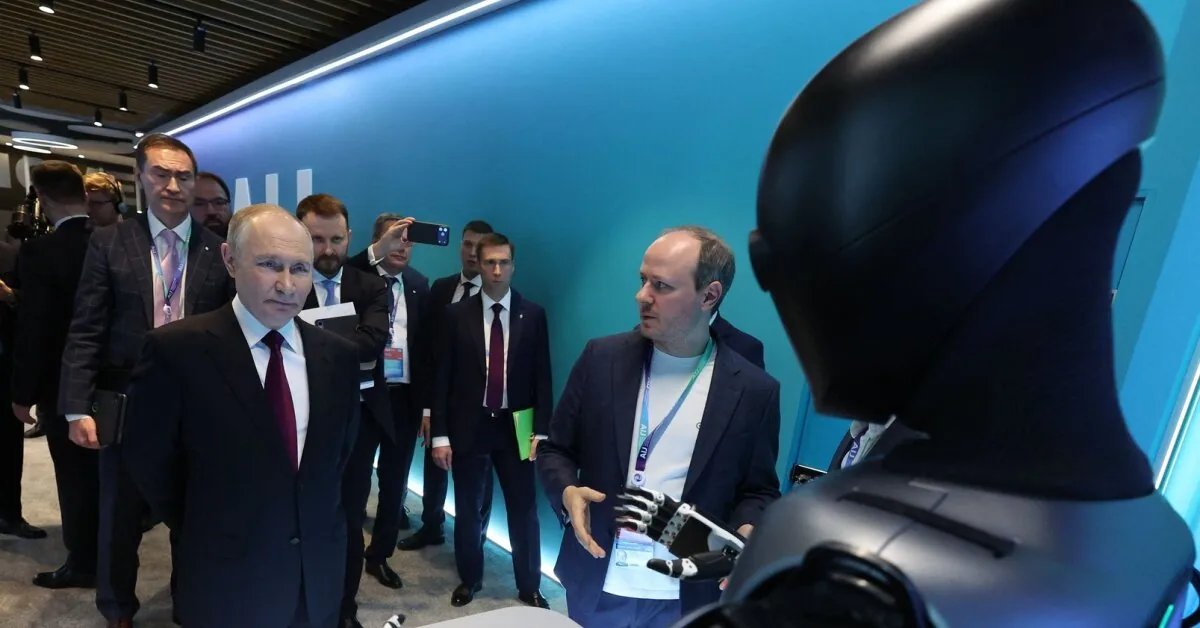
Russian Foreign Minister Sergey Lavrov responded by stating that this is the beginning of a real war, writes the “Unian” portal.
“They evicted the general consulate from Bonn… They are closing the Russian House in Berlin. I recall that before World War II, more precisely before the Great Patriotic War, the Germans also closed their diplomatic missions… They want war again,” the minister explained.
Read more Three observations in preparation for the third victory of Kaunas «Žalgiris»