In recent years, many photos and videos have appeared in the local media and social networks showing intoxicated tourists on the streets who urinate publicly, make noise, and cause problems, mostly at night.
Read more Crayfish season begins: what fishermen need to know
In May, the Croatian parliament partially amended the trade law, allowing cities and municipalities to limit alcohol sales hours in order to “protect public health, public order, cultural heritage, and the environment.”
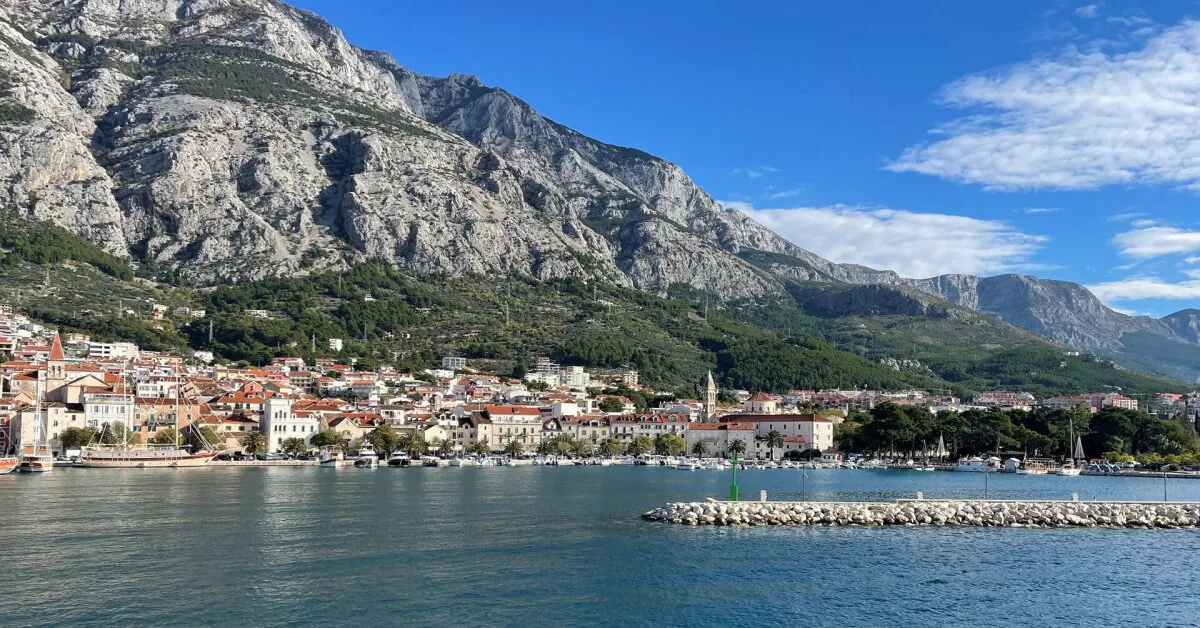
The Makarska council on the southern Adriatic coast banned alcohol sales from 9 p.m. to 6 a.m. on Tuesday. This measure does not apply to bars and restaurants.
“Our goal is not to impose bans just for the sake of banning, but to preserve order, peace, and a pleasant atmosphere in our city for both residents and guests,” said Makarska Mayor Zoran Paunović. “I am glad that we are taking the initiative on this issue in Croatia.”
Read more Former Žalgiris player ties his future long-term with Barcelona
Makarska, which has a population of 13,000, received nearly 340,000 tourists last year.
Other popular tourist destinations – the mayor of Split also announced that alcohol sales will be restricted. Such plans were announced by the authorities of Hvar Island and the city of Zadar.
Tourism is the main driver of Croatia’s economy, accounting for about 20% of the country’s GDP. Last year, nearly 22 million tourists visited Croatia, which has a population of 3.8 million.