







This time the world championship will take place in the small Spanish town of Ames.
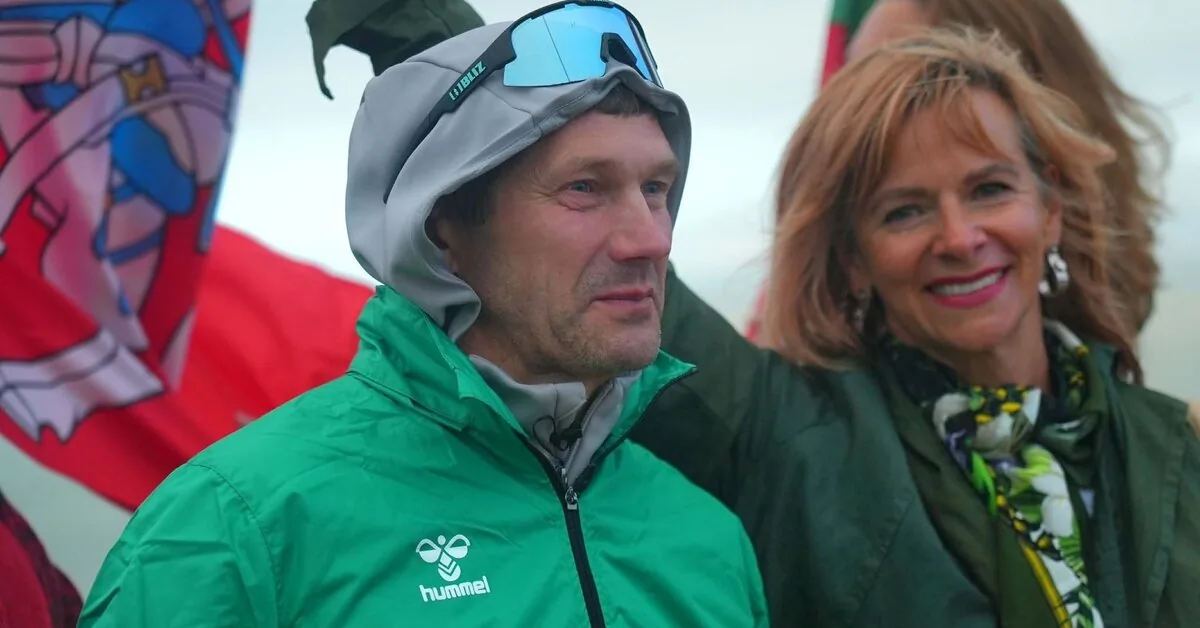
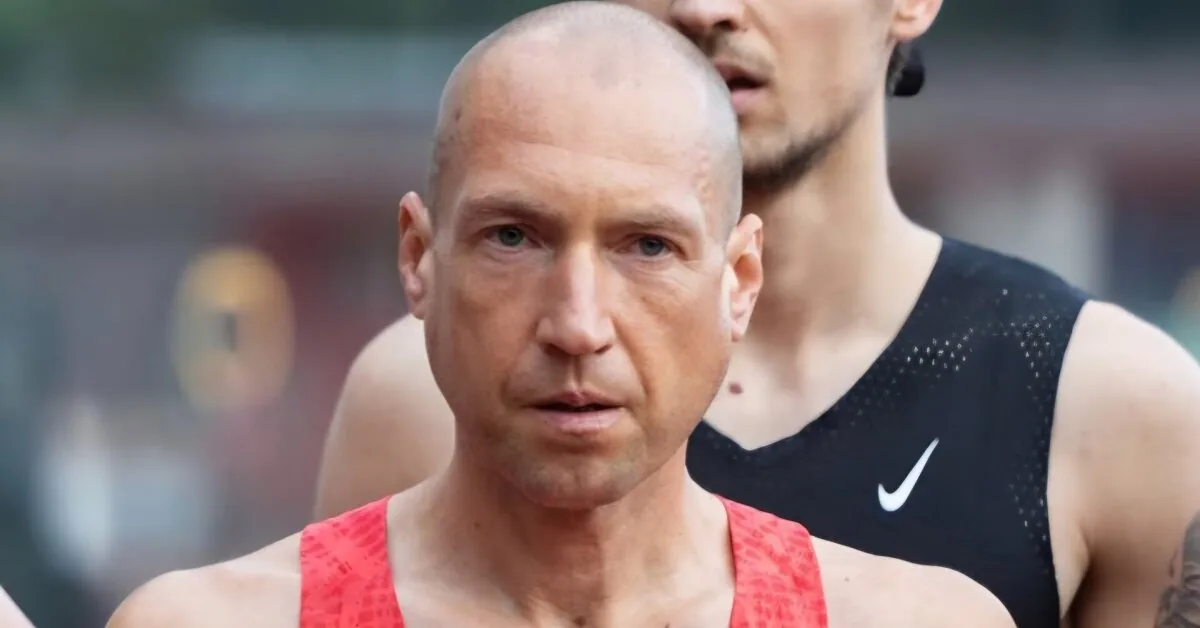
“The preparation was quite usual – I ‘collected’ kilometers in Lithuania, spent a month training at high altitude in Andorra,” said A. Sorokinas. “During peak weeks, the number of kilometers run per week rose to 300. The routine was very simple: sleep, run, eat, repeat.”
Read more Three young people were killed and six others injured in a high school shooting in the Philippines
A. Sorokinas admitted that there were some unpleasant situations during the preparation period when the body reminded him of itself: “There were some pains, but that is natural and certainly did not disrupt the preparation – my health is good, I feel great.”
When asked how he plans to distribute his strength at the world championship, A. Sorokinas was very open. “It’s hard to say, everything will depend on the weather conditions. On the day of the run, meteorologists predict up to 35 degrees Celsius,” he said. “I will have to stick to the plan and not rush headlong forward. I know there will be runners aiming to break the world record. But you shouldn’t give in to such provocations. Japanese athletes always run the best tactically. Maybe I’ll try to stay closer to them. We’ll see how everything unfolds.”
According to A. Sorokinas, athletes consume only liquid food and energy gels during the 100-kilometer race. “One lap is 5 kilometers, which takes 17-20 minutes, so one lap equals one energy gel and an isotonic drink. It will be cool in the morning, about 15 degrees Celsius, so less fluid will be needed. More will be needed when the sun rises,” the runner calculated. “The biggest challenge in running 100 kilometers is physical fatigue. I know it will be very hard when there are 20-30 kilometers left to the finish. That is when the real competition begins. Until then, I will try to save as much strength as possible. It will be hard for everyone. You just have to accept it and stick to the plan. Yes, the body may send signals to stop if it is tired, but I know that at such moments you just have to keep working.”
A. Sorokinas will approach the starting line with his usual mindset. “I am afraid of starts,” he laughed. “Two days before the competition, I start wanting everything to begin faster, for the body to switch on, and then I wait for the finish. I don’t think about the exact time and result,” warned A. Sorokinas. “But, of course, simple numbers spin in my head – 6 hours and 5 minutes. It would be nice to improve the world record, but I don’t focus on that.”
Four more Lithuanians will participate in the world championship: Robertas Antropikas, Andrej Jegorov, Andrius Preibys, and Vaidas Žlabys.
“We will also compete in the team classification, so everyone’s support is important to us,” said A. Sorokinas. “No matter where the competition takes place, we feel the support of our compatriots. When we run and get tired, we try to direct our thoughts positively somewhere. The first thing we remember, of course, are the Lithuanians who always support us. And I want to tell everyone that I will try to do everything I can so that the world mentions Lithuania’s name once again.”
We remind you that A. Sorokinas is the world record holder in the 100-kilometer run (6 hours 5 minutes 35 seconds). The 44-year-old Lithuanian also holds the world records for 24-hour running (319.614 km), 12-hour running (177.410 km), 100 miles (10 hours 51 minutes 39 seconds), and 6-hour running (98.496 km).