







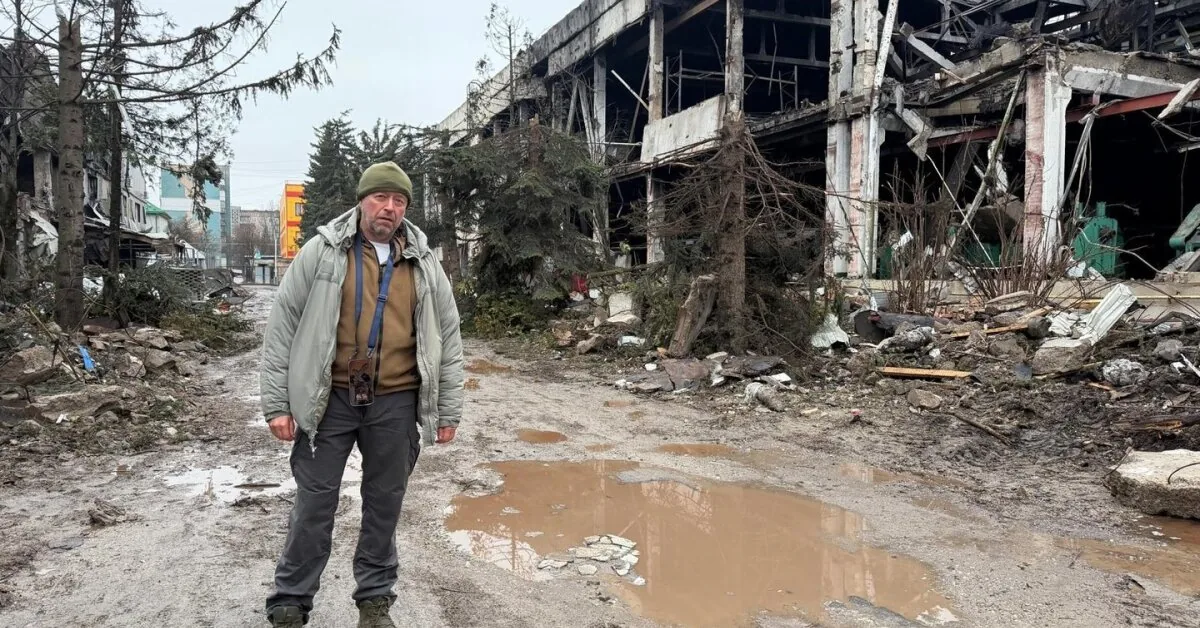
“Ukraine’s experience shows that when an attack begins, there is no time to think – only pre-trained instincts and a clear plan work. These recommendations are not theoretical. We rely on real Ukrainian practice, which saves lives daily on the front lines and in cities. Knowing how to act in case of a drone or missile threat today is as much a part of civil safety hygiene as basic first aid skills,” emphasizes Jonas Ohman, co-founder of “Blue/Yellow.”
Read more Invisible school bustle: what troubles autistic children and how to help them?
According to him, talking about preparedness does not mean causing panic – on the contrary, a clear action plan helps to avoid it: “It is important to understand that these recommendations do not indicate a changed security situation in Lithuania. Russia has always posed a threat to the free world, so vigilance is our daily routine. Our goal is not to sow panic – on the contrary, we want to help people feel stronger by providing clear knowledge about exactly what to do and how to protect themselves and their loved ones in case of a real danger.”
Most important homework before the danger signal
Identify shelters: Find the main and backup shelters near your residence in advance. Walk to them several times so that you clearly know the route even in the dark.
Family briefing: Agree on where you hide, how you communicate, and who takes care of children or other relatives who cannot take care of themselves. It is essential to emphasize to children that when danger begins, it is forbidden to run out of the house or school without adult permission.
Advance preparation: It is advisable to complete first aid courses and learn to use tourniquets. It is also recommended to install official national warning apps on your phone in advance.
“Anxiety backpack”: For preparation, it is worth packing and keeping a backpack with essential items near the exit. Vilnius City Municipality has published a list of these items in a separate publication, together with tips prepared by “Blue/Yellow.”
What to do when you hear the danger signal
If at home: Do not go to the balcony or stand by the windows. Take your backpack and phone and go to the shelter without using the elevator. If you are on the upper floors of the building, it is advisable to go down the stairs as low as possible (if this can be done without going outside and without wasting time). If you cannot reach the shelter in time or it is impossible to go down, follow the “two walls rule” (there must be at least two solid walls between you and the outside, e.g., an inner corridor or bathroom).
If in a car: if danger catches you while driving, do not consider the vehicle a safe cover. If it is possible to stop safely and there is a suitable place nearby to wait until the air danger ends, leave the car and move to it. Do not gather near the car after stopping.
If outside: Do not run home if the shelter is closer. Look for the nearest cover. Do not hide near glass building facades, bus stops, or under cars.
In a restaurant, store, or other public places: Do not continue dinner or shopping with words: “Let’s wait and see.” Immediately ask the staff where the nearest shelter is and go there.
During an explosion: If the attack starts while you are in an open area, immediately lie down on the ground, cover your head with your hands, and open your mouth (this equalizes pressure and protects the eardrums from rupture).
Read more Dainotas Varnas announced the news
Strict prohibitions during an attack or upon spotting a drone
Do not film: It is strictly forbidden to photograph, film, or publicize the operation of air defense systems and strike locations. This may help the enemy adjust their fire.
Do not gather: during danger, do not gather in groups of people or cars and do not stand near the place that was hit. If an explosion occurred, move to a safe place and do not return out of curiosity.
Do not touch or approach a fallen drone: If you find drone or missile debris, do not touch it – it may contain unexploded elements or toxic substances.
Do not be curious: If you hear explosions, do not go to see what happened. Do not open the window or go to the balcony.
Do not leave the shelter prematurely: Leave the shelter only after receiving an official announcement that the danger is over. Silence does not mean the danger has ended.
Psychological stability and helping others
If you panic: Stop, sit down (on a chair or the ground), and breathe more slowly. Do not try to breathe very deeply, as this may cause dizziness. Slowly inhale over 4 seconds, exhale over 6 seconds (repeat for 1–2 minutes). Apply grounding technique: look around and loudly name 5 visible, 4 touchable, 3 audible things, 2 smells, and 1 taste.
If a person nearby panics: Do not leave the panicking person alone. Sit next to them and help them focus on your voice and breathing. Do not say “calm down” or “stop panicking” – it does not help. Say: “You are safe with me,” “let’s breathe together.” Give the person a sense of control by asking: “Would you like to sit here?” “Would you like some water?” Offer physical contact only if you are sure the person is comfortable with it. You do not need to force the fear to disappear; you just need to help the person endure the next few minutes.
When to call medical professionals? A panic attack causes physical symptoms (trembling, shortness of breath, chest pressure). However, do not attribute all severe symptoms solely to panic. If symptoms are unusual, very severe, the person loses consciousness, feels severe chest pain, or has serious breathing problems – seek medical help immediately.
The most important thing – when you hear the siren, do not panic. Just know the routine: take your bag, go to the shelter, and wait. Do not block entrances and exits in the shelter, do not make noise, do not smoke, do not use fire, and do not touch the shelter equipment. Do not disturb others and help children, the elderly, and those who need assistance.
“Blue/Yellow” is currently collecting support for Ukraine through the “Dronathon campaign.” Every fifth euro donated will go to the Lithuanian Riflemen’s Union – drones and training on how to effectively fight drones will be purchased for them. You can contribute on the organization’s website.
Read more 7.27 million euros in funding allocated to strengthen the startup ecosystem