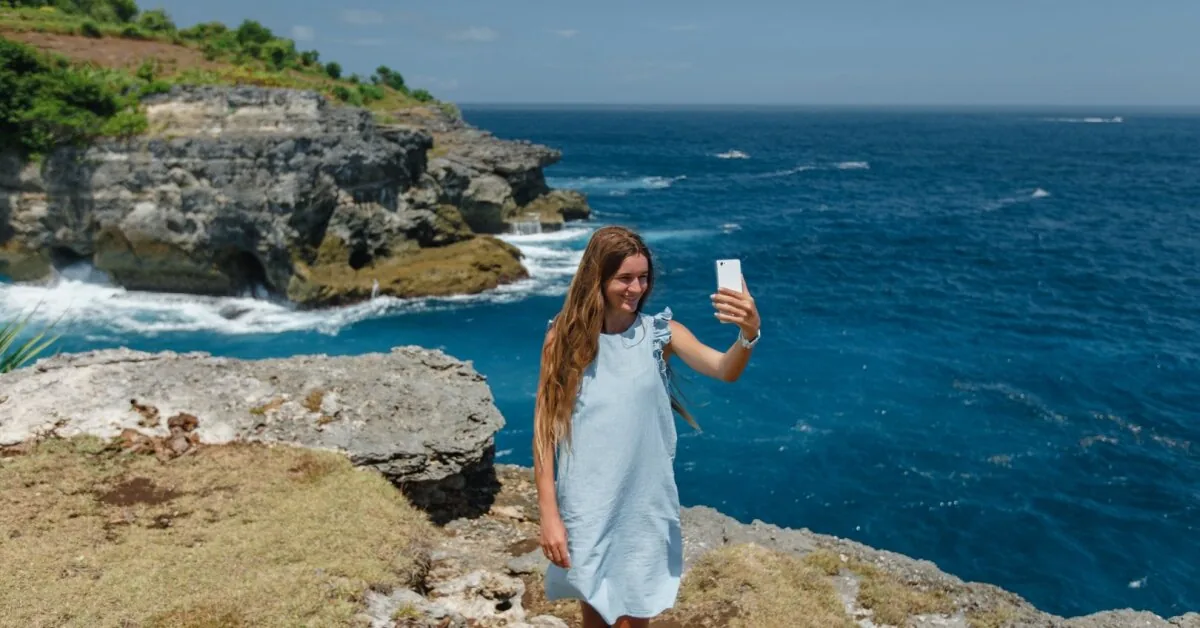
“Europol notes that scammers first collect publicly available information about people, and social networks are an excellent source for this. Scammers see that you are in Turkey if you post a story from the airport in the morning and are already splashing around in an all-inclusive hotel pool in the afternoon. The more details scammers collect, the easier it is for them to create a convincing scam story. For example, a scammer can pretend to be a hotel administrator or a tour operator and send a message that looks much more reliable because it is based on realistic information about you,” says Algirdas Juozėnas, Senior Information Systems Security Manager at “Bitė Lietuva”.
Read more Via Toll partner integration has started: what are the benefits for carriers?
Private account – not yet a guarantee
It may seem that the greatest risk is only for those whose social media accounts are public. However, according to A. Juozėnas, a private account does not in itself guarantee greater security.
“If you approve every follower request without evaluating it, a private account does not reduce the risk. Before accepting a new follower, it is worth checking whether their account was created recently, whether it has posts, or whether you have mutual acquaintances. However, even this is not a guarantee – scammers sometimes deliberately tag other people in their posts or photos to appear more reliable and create the impression that they have mutual acquaintances. If there is even the slightest doubt, it is better not to approve such a follower,” says A. Juozėnas.
According to the expert, it is worth being more careful not only when accepting new followers. Publicly visible birth dates, phone numbers, workplaces, names of family members, or comments about planned departures can also be valuable to scammers. A. Juozėnas recommends reviewing social media privacy settings before a trip and considering what information you share and with whom in real time.
“If you want to share your travel experiences immediately, it is best to do so only with your closest people, using, for example, the “Close Friends” feature. This way, only your chosen people will see your travel experiences, not hundreds or thousands of followers. If you still plan to post publicly, it is safer to do so after returning from your trip. It is also worth limiting who can tag you in posts or send messages, and for additional security, enable two-factor authentication,” lists the expert from the digital services company “Bitė Lietuva”.
If you are affected, the most important thing is not to delay
Even with all precautions, it is not always possible to avoid scammers. According to A. Juozėnas, if you have become a victim of fraud – money has been extorted, an account has been taken over, or your data has been otherwise misused – the most important thing is not to delay.
“If you have lost money, you should immediately contact your bank and block your payment card or online banking access. If a social media account has been taken over – change its password and enable two-factor authentication. I would also recommend reporting the incident to the National Cyber Security Centre and the police,” advises A. Juozėnas.
“Technology can stop a large part of scammers’ activities. Unfortunately, even it cannot protect against all situations. Therefore, people’s own vigilance is critically important,” says A. Juozėnas.
Read more Kęstutis Budrys discussed economic cooperation and cyber security with his Philippine counterpart