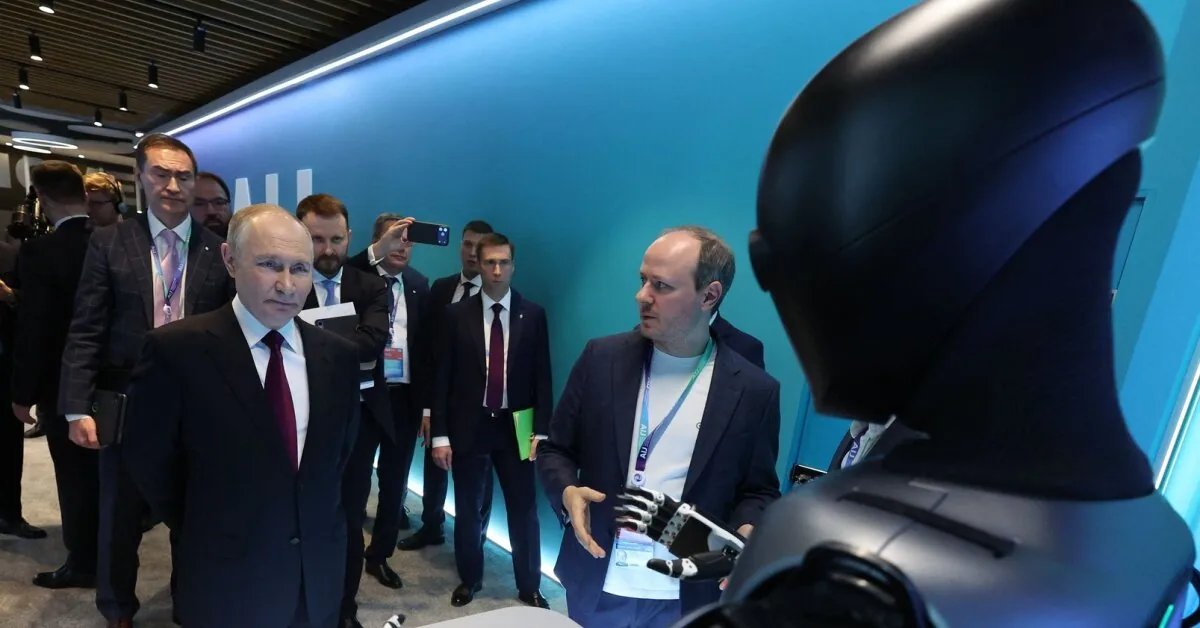
However, Vladimir Putin demands a softening of policy. The reduction of interest rates “should be and will be a natural process, taking into account macroeconomic indicators and economic stability,” he said 10 days before the Central Bank meeting.
Read more Musk urged making concessions to Putin: ‘I’m just pragmatic’
In the future, the Russian Central Bank does not rule out the possibility that interest rate cuts may be halted. Its signal has become stricter: it “will make further decisions on the key interest rate, taking into account inflation dynamics and inflation expectations, as well as an assessment of risks posed by domestic and external conditions.” A month ago, it considered the expediency of further interest rate cuts, according to The Moscow Times.
At the same time, the bank warned that it would cut the interest rate very slowly. Given the consequences of Ukrainian drone attacks on oil refineries and the growth of expenditures and budget deficit, “the key interest rate needs to be reduced more smoothly.”
However, an increase is unlikely. The new forecast of the Russian Central Bank predicts that the average key interest rate will reach 13.7–14 percent by the end of the year. The upper limit suggests that the current rate will remain until the end of the year, while the lower limit suggests 13.25–13.5 percent at the end of the year, calculated analysts at “Tviordych Cifr”.
Mikhail Vasilyev, chief economist at Sovkombank, believes that the evolution of the key interest rate for the remainder of the year will be closer to the upper limit. Perhaps this is the last interest rate cut, speculates economist Yegor Susin.
The Central Bank surprised
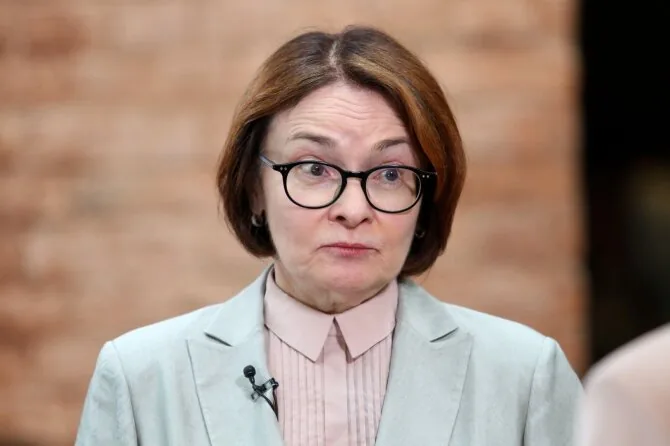
The Central Bank surprised with its leniency, admits Mikhail Vasilyev, chief economist at Sovkombank. He believes that the evolution of the key interest rate for the remainder of the year will be closer to the upper limit.
Read more BNS Sprint: president’s veto, espionage suspicions, court verdict in the garbage crisis story
The Central Bank essentially admitted that it had fallen into a trap: prices are rising rapidly, while the economy is slow. Businesses have significantly lowered expectations for both demand and production, the Central Bank states. It acknowledged that GDP might not grow at all this year: the GDP growth forecast has been reduced from 0.5–1.5 percent to 0–1 percent.
Inflation not curbed
At the same time, the Russian Central Bank reconciled with the fact that the fight against inflation failed this year: its forecast increased from 4.5–5.5 percent to 6–7 percent, although the target was 4 percent.
To the usual inflation risks – budget deficit, wage growth exceeding labor productivity, external risks (sanctions, falling oil prices) – the potential consequences of a fuel crisis have been added. The Central Bank fears that high inflation expectations could lead to a “more pronounced pass-through of costs into prices.”
The Central Bank relies on the assumption that the government, as promised, will balance the budget within three years: the structural primary deficit (the excess of expenditures, excluding public debt servicing, compared to baseline oil and gas and other revenues) will be gradually reduced to zero by 2029. Otherwise, a stricter policy will be required, warns the regulatory authority.
The Central Bank’s decision had little impact on the market. The ruble exchange rate practically did not react to it, and the Moscow Exchange index rose by 1.5 percent. M. Vasilyev predicts that deposit interest rates, which have been rising since early July, will decrease by 0.25 percentage points in the coming weeks.
Read more EuroLeague legend doesn’t stop – will play at the highest level at 39