








In their campaigns, they sought to win over voters tired of political chaos and rising crime.
Read more Sergejus Maslobojevas sells a recently furnished apartment: here’s how much he’s asking
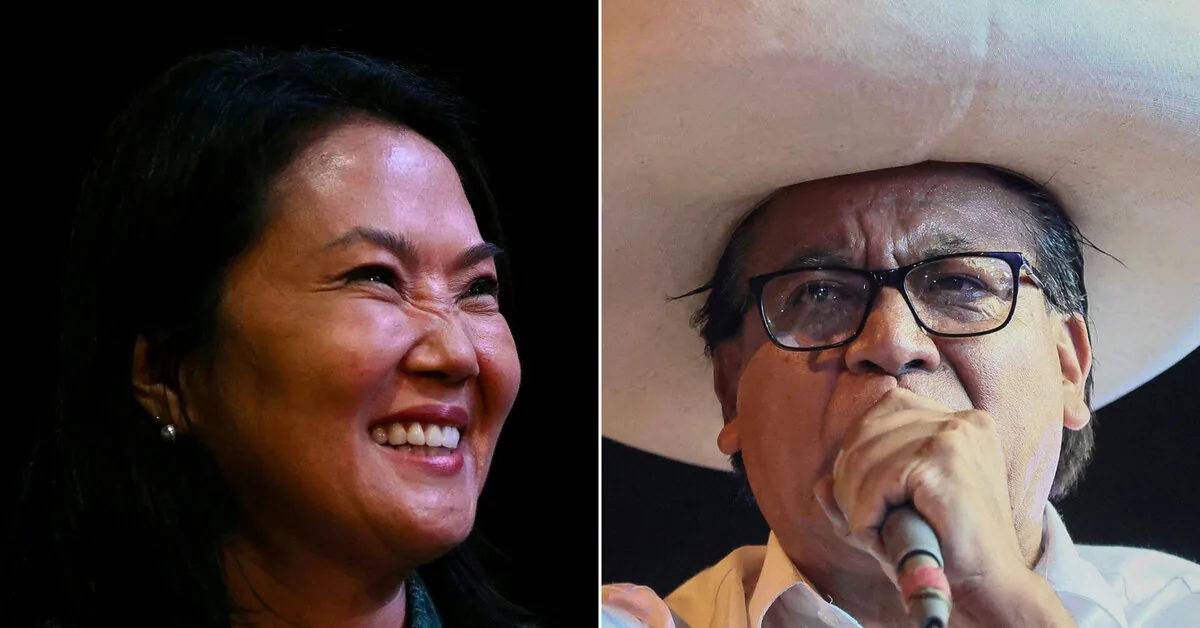
K. Fujimori, daughter of former autocratic president Alberto Fujimori, is seeking the presidency for the fourth time.
Psychologist R. Sanchez rapidly improved his position at the end of the election campaign, made it to the second round, and is now neck and neck with K. Fujimori in the polls.
About 27 million voters can vote in the elections and elect a president for a five-year term.
In the first round in April, which was marred by logistical problems and accusations of fraud, further increasing distrust in Peru’s crumbling institutions, the total number of votes received by both candidates did not reach 30 percent.
“Anti-Fujimori sentiment is still strong, though weakened, and the little-known Sanchez is an enigma,” said analyst David Sulmont. “Whoever wins, if the result is close, there will be questions of legitimacy. This means even greater instability.”
Read more Rusijoje didėja nerimas ir kyla baimė: Ukraina karą perkėlė į pačių rusų namus
51-year-old K. Fujimori relies on her father’s controversial legacy – he stabilized the economy and defeated Maoist rebels, but was accused of crimes against humanity.
57-year-old Congressman and former minister R. Sanchez relies on the rural background of his mentor, former president Pedro Castillo. Castillo, a former teacher, was imprisoned after a failed coup attempt in 2022.
K. Fujimori promises prosperity and warns of the dangers of “communism.”
“These elections are a choice between order and regression,” she has said.
Meanwhile, R. Sanchez has softened his earlier call for “radical change” and distanced himself from ultranationalists.
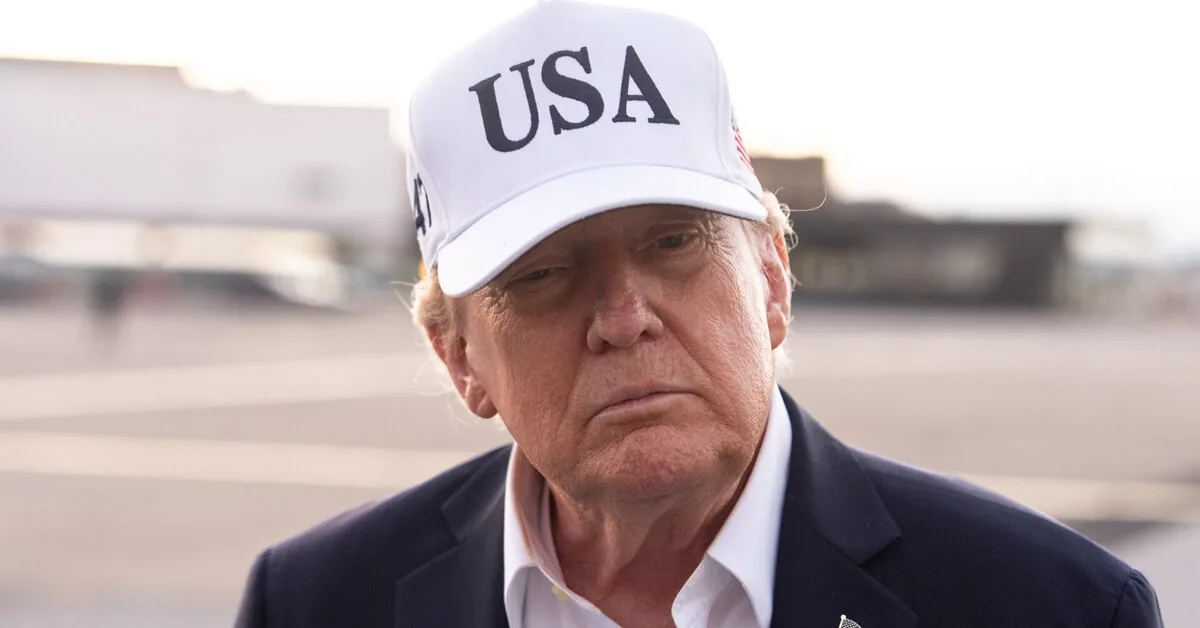
He told AFP that he wants “respectful” relations with US President Donald Trump.