







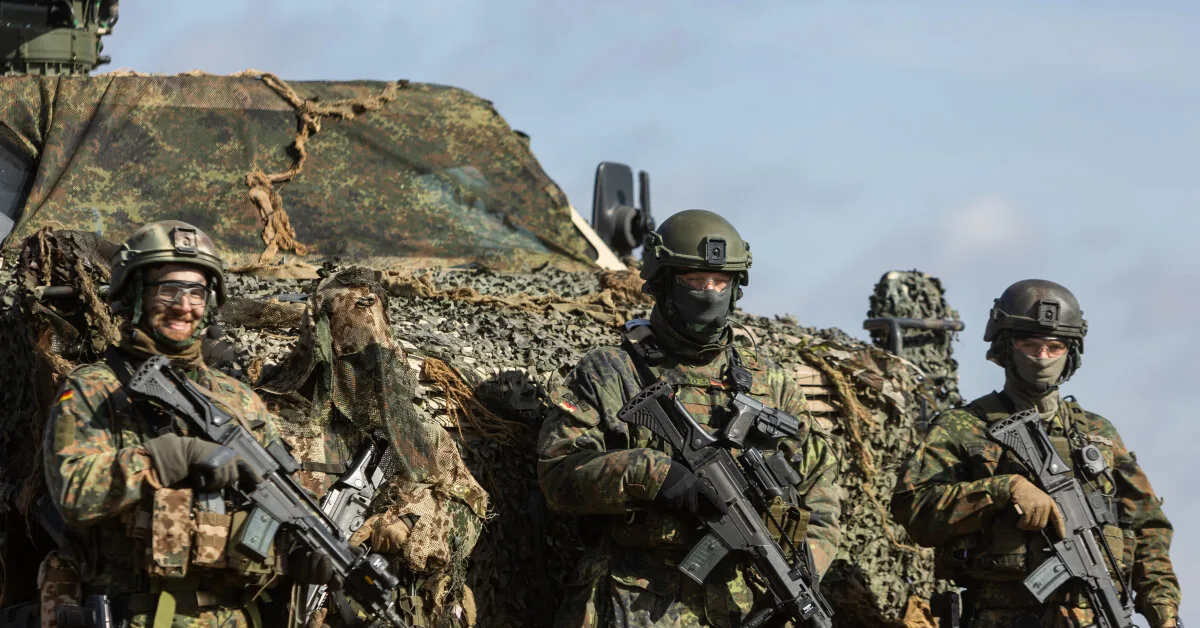
“This region is one of the most strategically important and environmentally challenging in the world. ‘FLF Finland’, like Operation ‘Arctic Guardian’, will use NATO forces to defend our territory and ensure the security of the Arctic and the Far North, especially given Russia’s military activity and China’s growing interest in the region,” said Alexus G. Grinkevichius, a US Air Force General and NATO’s Supreme Allied Commander Europe (SACEUR).
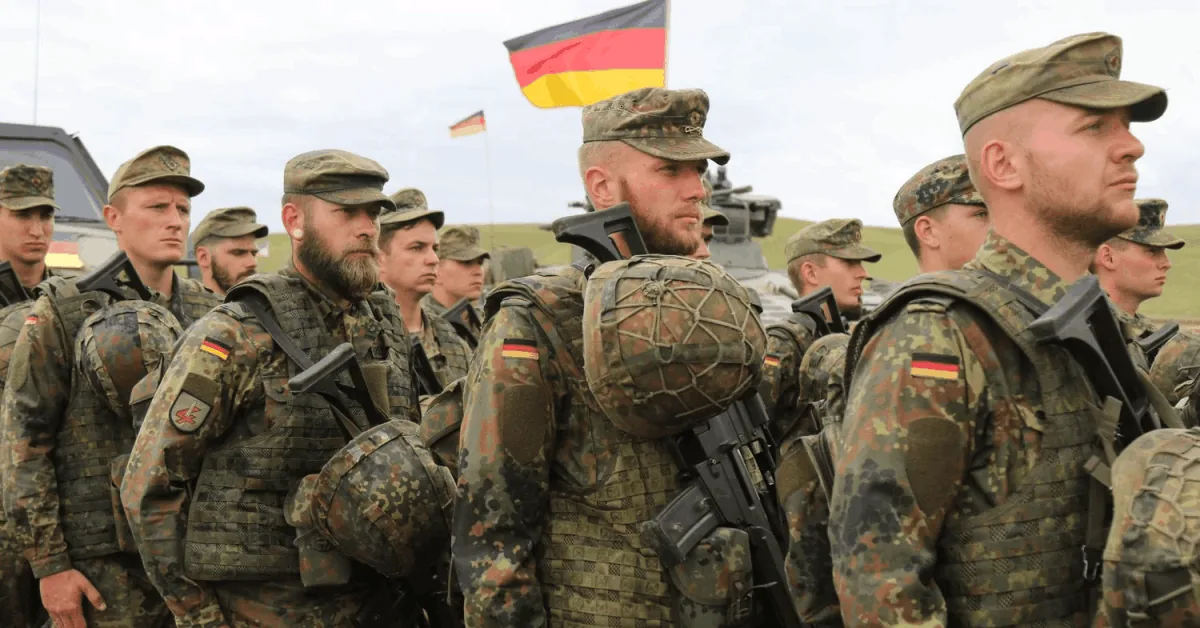
It is reported that in the creation of the ‘FLF Finland’ structure, the Swedish combat group, deployed in Boden (Sweden), and a multinational staff element in Rovaniemi (Finland) are being transferred to NATO and SACEUR command.
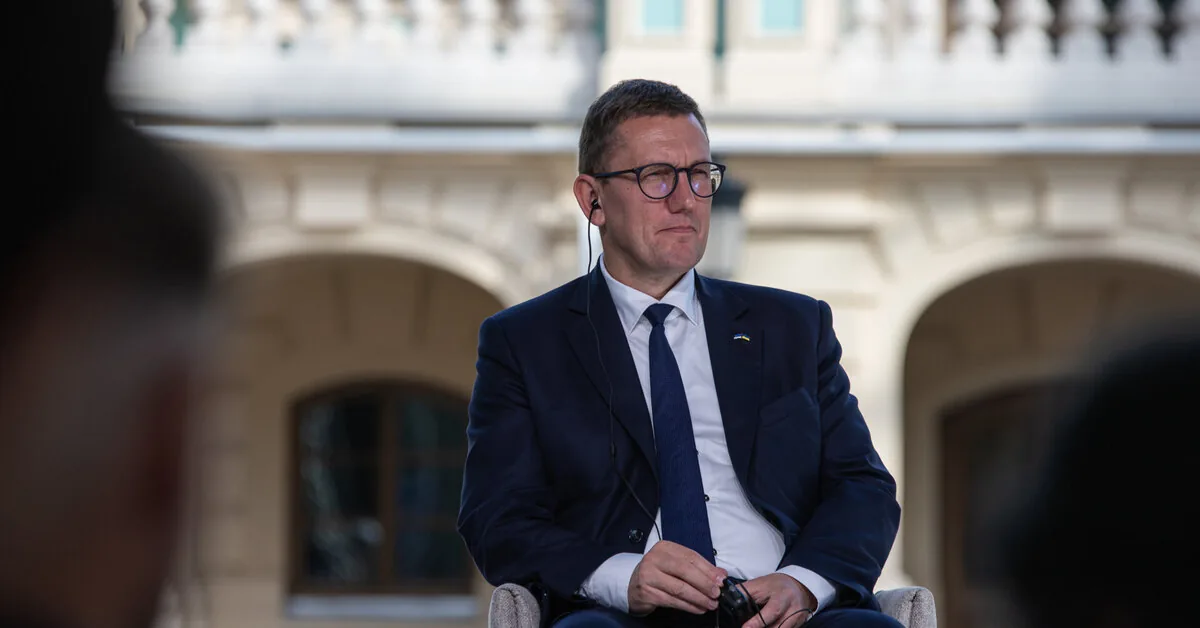
“Like other NATO forward land forces, ‘FLF Finland’ is designed to operate in specific geographical conditions and respond to specific threats. In practice, it will strengthen NATO’s deterrence and defense in the Far North, providing SACEUR with specialized forces prepared to operate in Arctic conditions. This will enhance the security of Finland and neighboring regions. At the same time, we will provide allies with the opportunity to train for land operations in Arctic conditions,” said Antti Häkkänen.
It is noted that the decision to establish ‘FLF Finland’ was made in 2024 at the NATO Heads of State and Government meeting in Washington.
“Sweden takes its role in strengthening NATO’s northeastern flank seriously. This is clearly demonstrated by the fact that Swedish forces are now transitioning to NATO command as part of ‘FLF Finland’. The process is moving quickly, and I welcome the close and constructive cooperation with Finland, NATO, and our allies,” emphasized Palas Jonsonas.
‘FLF Finland’ will operate in the area of responsibility of NATO’s Joint Force Command Norfolk (JFC Norfolk). This is one of three NATO joint force commands directly subordinate to SACEUR and NATO’s Supreme Headquarters Allied Powers Europe.
Currently, NATO forward land forces are also deployed in Bulgaria, Estonia, Hungary, Latvia, Lithuania, Poland, Romania, and Slovakia.
NATO and Russia – latest news
Earlier, ‘Politico’ reported that NATO is preparing a Baltic Sea defensive “fortress” plan to deter Russia. It is reported that about 18,000 troops from 13 countries trained on Gotland island to repel a possible Russian attack.
Meanwhile, ‘The Times’ wrote that Russia could lose a war against NATO in 10 days if modern AI-powered drones were widely used. According to analysts, such technologies could fundamentally change the course of the war in NATO’s favor.