Recent statistics show that the virus is actively spreading in nature. This year, 83 ASF cases have already been detected in hunted wild boars in the country, and as many as 1456 cases have been found in wild boar carcasses. Most of these cases are recorded in northern and central Lithuania.
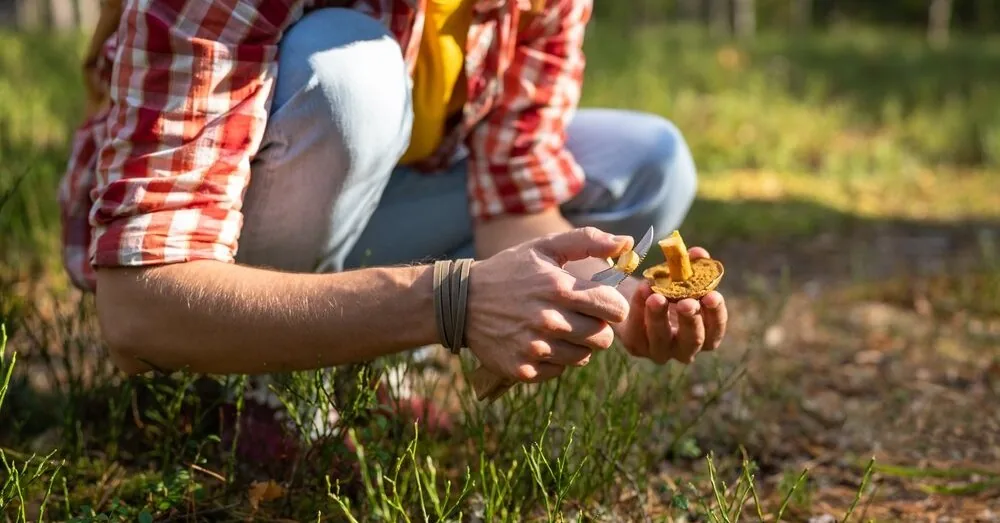
Active human visits to forests contribute significantly to the spread of the disease. Since there is a high chance of bringing the virus from the forest to your farm, all residents who raise pigs and plan to spend time in nature during the summer (mushroom pickers, berry pickers, or just vacationers) are recommended to follow these biosecurity rules after returning from forested areas:
- Do not visit pig housing areas wearing the same clothes and footwear, thoroughly disinfect hands and maintain hygiene requirements;
- Mandatory disinfection of vehicles and equipment before entering pig housing areas;
- Strictly control the access of unauthorized persons to pigs;
- Protect and ensure that wild animals do not get near the pigs;
- Keep pigs in enclosed premises;
- Install screens on windows to protect pigs from insects;
- Do not feed pigs fresh grass or kitchen and mushroom cleaning waste.
Farmers should carefully monitor their herds. The main symptoms of ASF in pigs that require immediate response are: high body temperature (fever), loss of appetite, sudden death. Specialists also emphasize that active carcass search and proper handling are very important – this helps control disease outbreaks and reduce the overall possibility of virus spread.
If there are any suspicions about animal health, it is necessary to immediately report to VMVT: by short number 1879 (increased rates may apply) or +370 5 242 0108; by email info@vmvt.lt or by filling out the form at https://pranesimai.vmvt.lt/.
Read more During negotiations in Rome regarding Lebanon, Israel reports the death of soldiers