Eradication requires a comprehensive approach
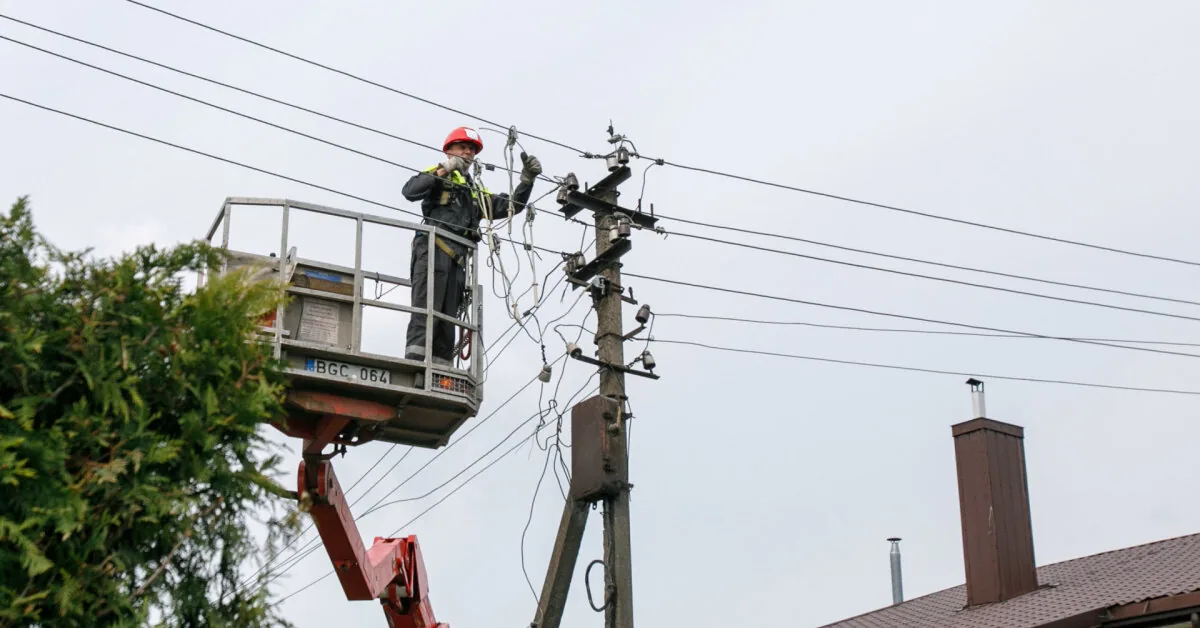
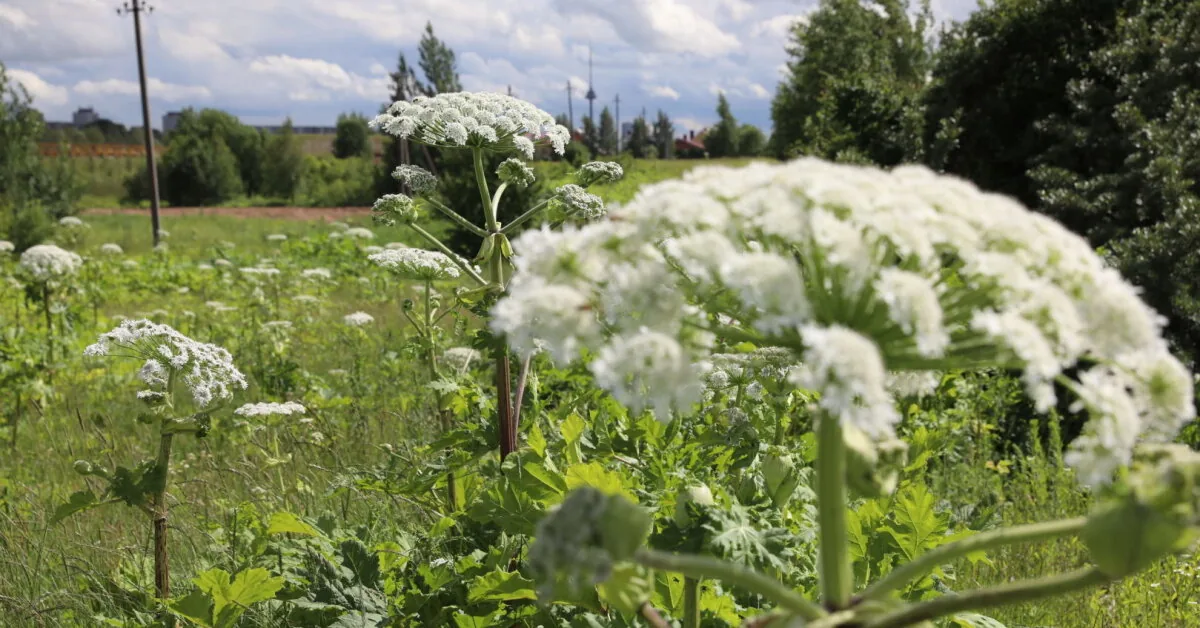
“Fighting Sosnowsky’s hogweed is not enough by only managing municipal territories – a comprehensive approach is needed. That is why, for the first time, we are also helping residents who agreed to have these dangerous plants eradicated on their plots,” says Gintarė Prieskienė, project manager of the Environmental Protection Programs and Greenery Management Division of Vilnius City Municipality.
Read more Changed your last name? Here’s how long it takes to update your driver’s license
Work on private plots will only take place where all co-owners have given their consent. A total of 57 plot owners’ consents have been obtained. The plots were selected based on the action plan for regulating the abundance of Sosnowsky’s hogweed in Vilnius city, prepared by scientists.
Those plot owners who did not provide consent will have to eradicate invasive plants on their properties independently. According to Vilnius city maintenance and cleanliness rules, every owner must maintain their plot and prevent the spread of invasive species.
Increased attention to invasive plant eradication
On state land, Sosnowsky’s hogweed eradication work began early in spring, as soon as the first plant leaves appeared. Initially, work took place in the largest problematic areas – Pilaitė, Pašilaičiai, Fabijoniškės, Verkiai, near Belmontas, and in the Naujoji Vilnia district.
Work continues from July. This year, a total of 99.34 hectares or 169 Sosnowsky’s hogweed stands will be eradicated. Sosnowsky’s hogweed is eradicated using comprehensive measures – plants are mowed, dug out, and where necessary, herbicides are used.
The work is carried out by the contracting company UAB “Arbora LT”, which won the public procurement. About 100 thousand euros have been allocated for Sosnowsky’s hogweed eradication this year – almost twice as much as last year.
Preparing to eradicate knotweeds
In the near future, other invasive plants – Canadian and giant knotweeds – will also be eradicated in Vilnius. They will be mowed and dug out. Where possible, the soil will be plowed, and plants eradicated with herbicides.
Read more Sleep, but do you still feel unrested? The doctor explained how heat and long days steal your rest
Knotweeds spread rapidly because their seeds are carried by the wind, and their fruits fall from autumn to spring. Without controlling their spread, these plants displace native species and reduce biodiversity.
A three-year contract has been signed with the contractor UAB “Dezinfekcijos paslaugos” for knotweed eradication. 75 thousand euros have been allocated for this work.
Joint fight against invasive species
Vilnius City Municipality urges residents to actively contribute to stopping the spread of invasive species. First, it is necessary to recognize which plants and animals are invasive. Information can be checked in the Invasive Species Information System.
It is also necessary to prevent their spread on your plot – even a few plants or slugs can quickly spread. Invasive species must be eradicated regularly, as one-time measures are not enough.
More information about invasive species and their eradication in Vilnius can be found here.
Read more Storage room robbed in the center of Kretinga – impressive losses