








Stove – a medieval “comic book”?
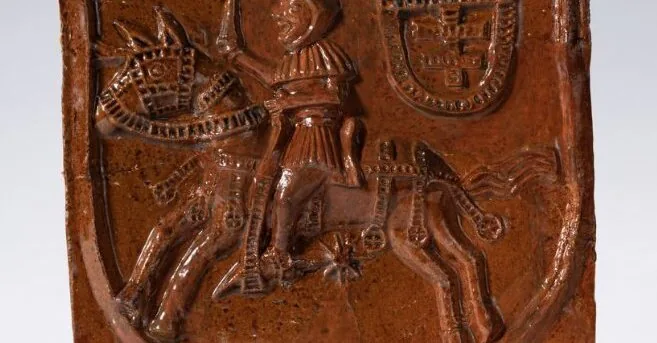
Today, we primarily evaluate the stove based on its function. In the 15th century, it could also serve as a kind of status symbol. Gothic stove tile panels depicted coats of arms, saints, fantastic creatures, animals, people playing music and dancing, hunting scenes, and knightly tournaments. Such stoves were very expensive. Their decoration could indicate the homeowner’s wealth, family lineage, and preferred entertainments.
Read more Kim Jong Uno’s sister spoke about idiots and nuclear weapons
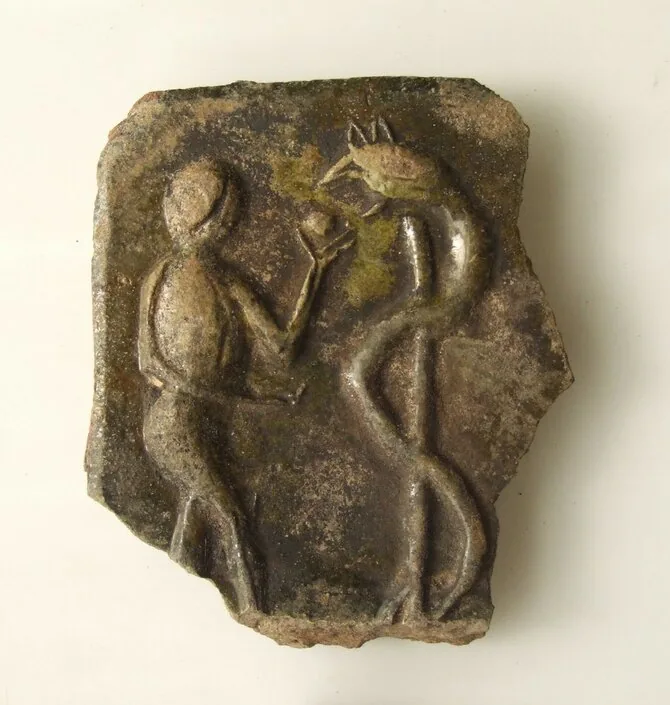
Various plots and symbols could be repeated on the tile panels, which a person would “read” by looking at the image – much like we read modern comics. These tiles now allow us to rediscover the medieval world. It brings to life knights’ adventures, fantastic creatures, religious stories, and witty satire of societal flaws.
“I find it interesting to look at these tiles as witnesses of a distant era, but even more fascinating to see in them stories that are very close and universal. Looking closely at the plots, we see the medieval person’s desire to show their place in the world, to tell about what they believe in, what interests them, what is important to them. Today we do this in new forms, but the need to share stories and leave them for future generations remains the same,” says Dr. Rūta Kačkutė, Director General of the Lithuanian National Museum.
From fragments to an international exhibition
The exhibition’s history began twenty years ago during archaeological research in Vilnius. Gothic tiles are quite rare in Lithuania, and the largest collection was gathered while studying the residence of the Grand Dukes of Lithuania in the Lower Castle. The finds prompted a more detailed investigation of what lies beneath their images.
“Studying tile fragments revealed that some have very similar or identical counterparts in Poland. This allowed tracing connections between craftsmen and workshops: similar stoves were built in Gniezno, in the residences of Polish bishops and nobles, in Vilnius, and in the Trakai Peninsula Castle. Today, we can talk about a shared cultural space where ideas and aesthetic choices moved. And we can see this in the surviving artifacts,” says exhibition curator Dr. Eglė Zaveckienė.
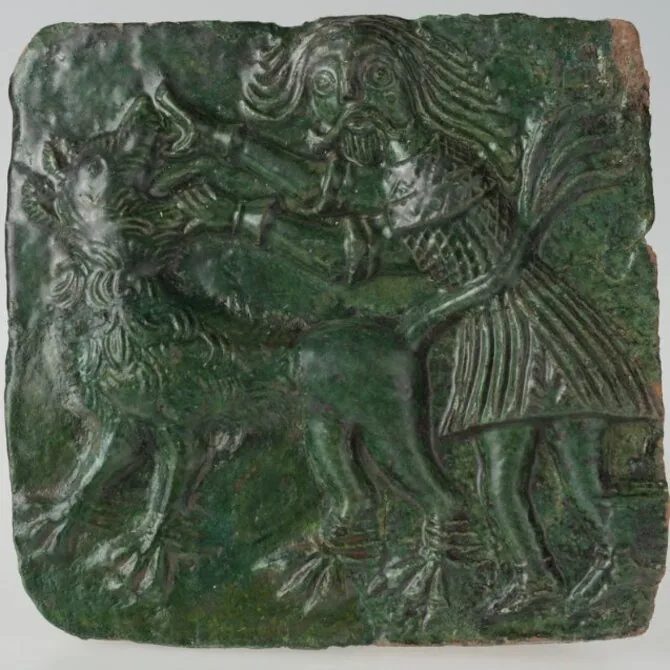
The exhibition “Medieval Comics” combines collections from five museums: the National Museum in Kielce, the Museum of the Origins of the Polish State in Gniezno, the Lithuanian National Museum, the National Museum of the Grand Duchy of Lithuania’s Palace, and the Trakai History Museum.
Read more A family who lost their father and home in a fire in Galgiai is asking for public help
The image of Vytis, dragons, and the world upside down
One of the exhibition’s standout exhibits is tiles brought from Polish museums featuring Vytis and the double cross, a symbol that the Grand Duke of Lithuania and King of Poland Jogaila began using after his baptism. Some of these tiles date to the second quarter of the 15th century, thus created during Jogaila’s lifetime. Such early examples of heraldry are very rare, so seeing them impressed on clay panels is a unique opportunity.
The exhibition also features creatures and fantastic plots created by the medieval imagination. In the medieval world inspired by bestiaries, alongside real animals existed dragons, sirens, unicorns, and manticores.
The tile panels also depict the so-called “inverted world” (Latin mundus inversus): a fox preaching to geese, animals playing musical instruments.
These images were not just playful imagination. Through humor and irony, it was possible to speak about pride, greed, foolishness, and other human flaws. The exhibition “Medieval Comics” reveals how people viewed the world and laughed at it.
The exhibition “Medieval Comics” opens on September 23 at 6 p.m. at the Vilnius defensive wall bastion, Bokšto St. 20, Vilnius).
Read more Kęstutis Mažeika: suspects of corruption in NMA will be suspended from duties, including the leaders