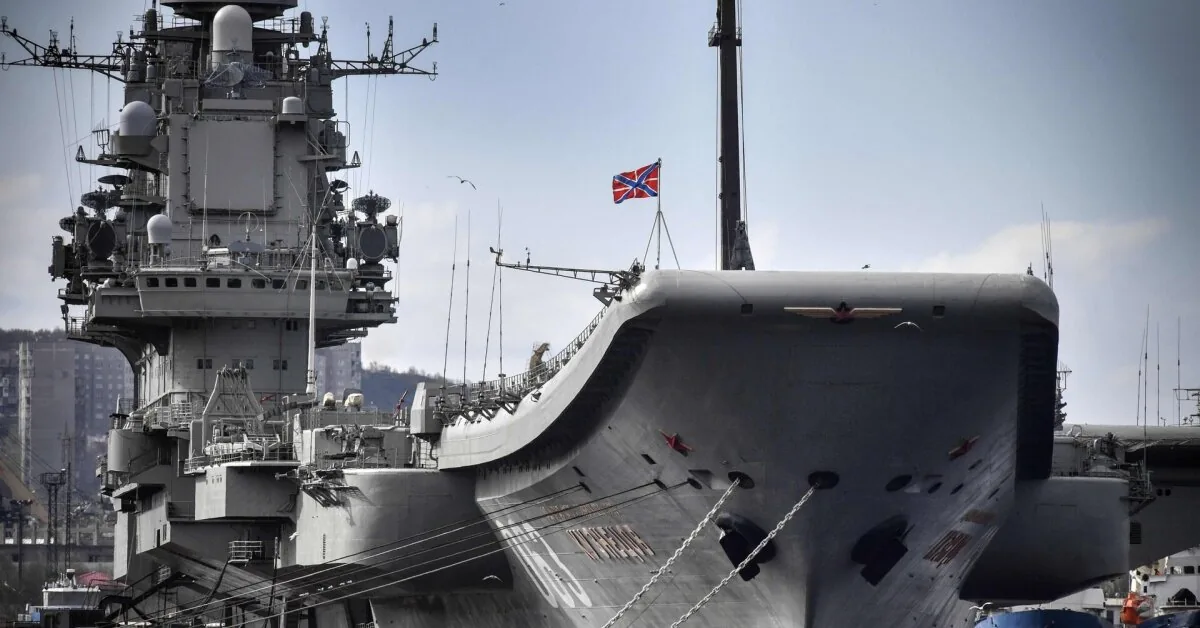
The analysis, based on satellite images, military maps, and maritime transport data, notes that Moscow is actively modernizing military bases, seaports, and liquefied natural gas (LNG) export facilities.
The Yamal Peninsula is of particular importance to Russia, having become one of the main centers for Russian LNG exports. In 2025, more than 100 voyages were made via the Northern Sea Route, transporting over 3 million tons of cargo – a record for the entire observation period.
At the same time, Russia’s Arctic coastline stretches over 24 thousand kilometers, and the region has nearly three dozen oil and gas fields.
The largest icebreaker fleet in the world
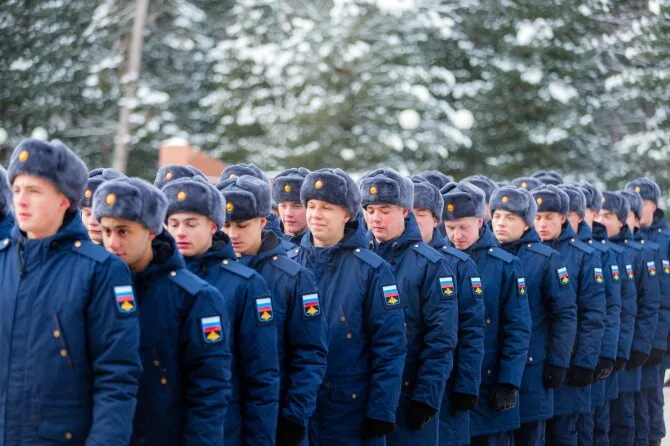
One of Russia’s main advantages remains its icebreaker fleet.
Currently, Russia has 42 icebreakers, including 13 heavy vessels capable of operating year-round in the Arctic.
In comparison, the United States operates only one heavy icebreaker – the Polar Star, built back in the 1970s.
Since 2018, Russia has started operating eight new heavy icebreakers, four of which are equipped with nuclear power plants.
Meanwhile, the construction of the new Lider-class nuclear icebreaker, costing about $2.7 billion, is delayed due to supply issues related to Russia’s aggressive war against Ukraine. It is expected to enter service no earlier than 2030.
Expanding the military network
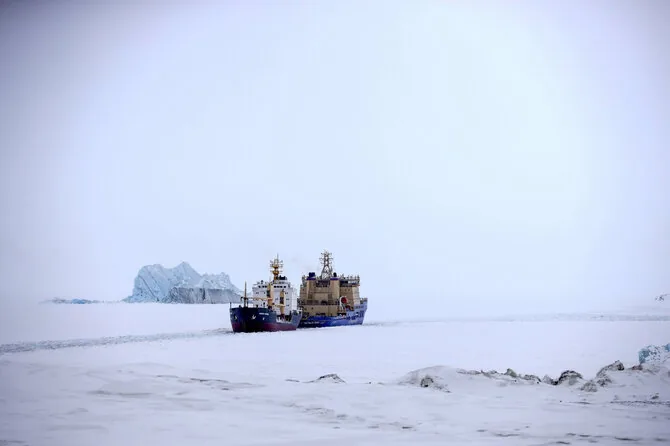
Russia is also modernizing military facilities along the Arctic coast.
First of all, new runways and expanded aircraft parking areas have been built at the Severomorsk-1 military base. Satellite images show strategic anti-submarine aircraft Tu-142 and Sukhoi fighters there.
The reconstruction of the Severomorsk-3 aviation base continues, and the military infrastructure of Petrozavodsk airport is also being developed.
These works are part of the state program for the development of the Arctic airport network until 2030, which plans to build two new and modernize seven other military airfields.
Read more Battle for bronze – begins: England – France
Among the main Russian military facilities in the Arctic are also the Nagurskoye, Rogachevo, Severny Klever bases, and a facility on Wrangel Island.
Lost some positions
It is worth noting that during the same period, the United States’ footprint in the Arctic has become significantly weaker. Despite controlling Alaska, the US has never had a permanent military base beyond the Arctic Circle.
Of about 300 military facilities built in Alaska during World War II, only isolated infrastructure elements remain today, primarily the Eareckson Air Station with early warning radar and a Coast Guard unit.
In Greenland, of about 20 US military bases from World War II, only the Pituffik space base remains operational, with about 650 troops permanently stationed. In comparison, during the Cold War, the number of troops stationed there reached 10,000.
To strengthen their positions, the US, together with Canada and Finland, has launched an icebreaker construction expansion program. Additionally, the company Davie Defense is investing $1 billion in modernizing two shipyards in Texas.
At the same time, the struggle for the Arctic is rapidly gaining a global character. China is also actively pushing into the region, increasing investments and, since 2018, conducting joint military exercises and maritime patrols near the Alaskan coast with Russia.
It was previously reported that Russia is reducing the number of air defense systems in the Arctic, leaving key military facilities in the far north unprotected as it tries to protect facilities in other parts of the country from Ukrainian attacks.
As reported by Laisvės Radijas, satellite images confirmed that the Kremlin has withdrawn S-300 and S-400 systems from several strategic facilities in the region.
Read more July 19 Horoscope: Intuition Will Be Especially Strong for One Zodiac Sign