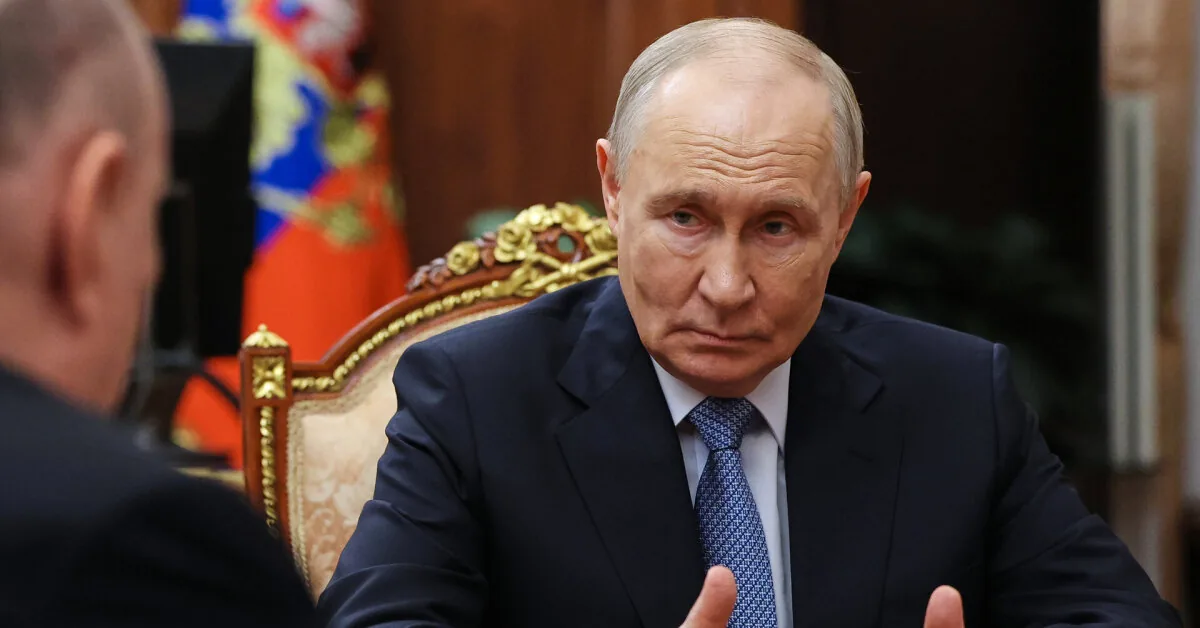
A few days ago he was declared a “foreign agent.” That was enough to end his decades-long career as a master of political survival in the Russian system, which imprisons, kills, or exiles most of its opponents.
Read more Protesters demand a ban on tourist horse carriages in the Polish Tatras
B. Nadezhdin, an outspoken opponent of the war in Ukraine, was detained, albeit briefly. Less than three weeks after registering his candidacy for the parliamentary elections in September – the first since Russia’s large-scale invasion in 2022 – the politician was accused of a minor violation.
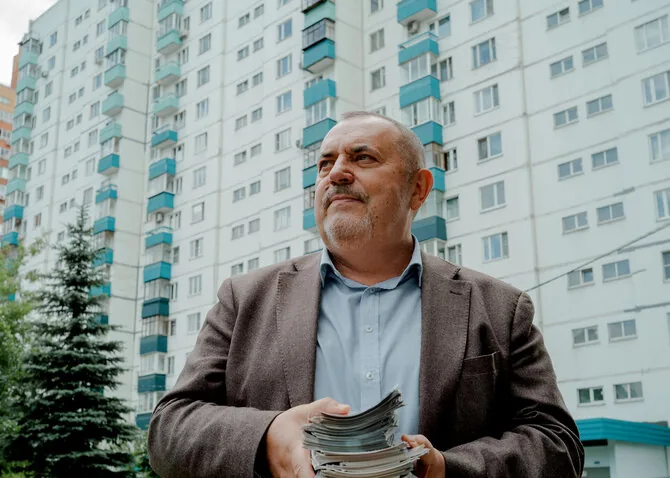
B. Nadezhdin said he understood why this happened.
“It shows that panic and chaos prevail in our leadership,” he said via video link on Tuesday in an interview with The New York Times at his home.
Kremlin press secretary Dmitry Peskov, commenting on the troubles concerning B. Nadezhdin, stated that “none of these circumstances have anything to do with the Kremlin.”
However, B. Nadezhdin insisted that the actions taken against him reflect the pressure the government is under. According to him, it is all related to the war.
Drone strikes in Russia have caused a fuel crisis, and cities like Moscow and Saint Petersburg have felt the effects of the war. Inflation is rising rapidly as war expenses strain the economy. Public outrage caused by internet restrictions has also spread widely across the country.
The attempt to silence the 63-year-old politician shows that the Russian government leaves nothing to chance in the upcoming elections, which, although tightly controlled, may reveal signs of public discontent.
B. Nadezhdin was one of the few critics who did not give up even as Russia intensified repression year after year. However, it seems the Kremlin’s tolerance for people like him is rapidly diminishing.
Until now, the politician, who has connections with some of Kremlin master Vladimir Putin’s closest aides, such as public relations specialist Sergey Kiriyenko, was able to openly publish his calls for democratic reforms and an end to the war.
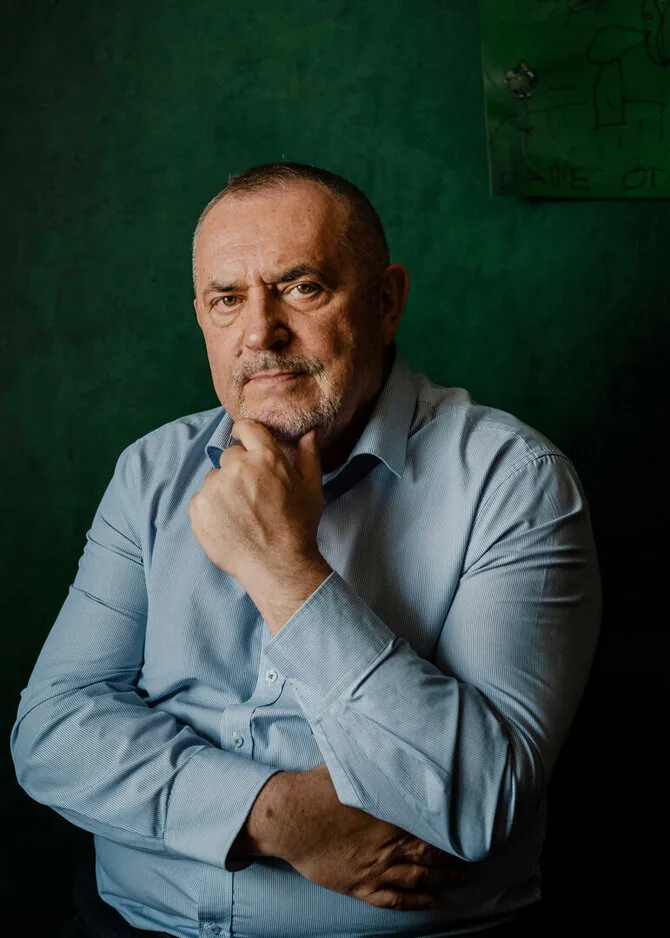
B. Nadezhdin began his government career in the 1990s. In 2024, he submitted his candidacy for the presidential election. Thousands of people lined up to give him their signatures and support him. Later, the Central Election Commission stated that he had collected insufficient signatures and therefore could not participate in the presidential election. Yet even then, he remained free.
“I know very well that I am alive and free only because I do not cross two red lines,” he said in an interview given this summer in Moscow.
He never makes personal attacks against V. Putin, although he criticizes the president’s policies. Also, as he himself stated, he receives no financial support from abroad.
Speaking to The New York Times this week, B. Nadezhdin admitted he always knew his chances of maintaining his candidacy for a parliamentary seat until election day were slim. However, he said he wanted to use his election platform “to reveal the truth to people and draw attention to the situation in the country.”
Now he no longer has such a platform. At the beginning of July, the government declared the politician a “foreign agent” – a status designed to punish critics of the Russian political system. Along with the stigma and the label of “foreign state puppet,” such an “agent” is prohibited from engaging in political and educational activities, participating in the media, and is subject to strict financial reporting requirements.
On the same day, the organization “Candidates’ HQ” – a network of civil society activists helping independent candidates run election campaigns – was also declared a “foreign agent” for spreading false information about decisions made by Russian authorities.
Its founder Dmitry Kiselyov was the head of B. Nadezhdin’s unsuccessful 2024 presidential campaign headquarters.
Since the politician had registered his candidacy before being declared a “foreign agent,” B. Nadezhdin could have continued his campaign for a deputy seat, but even if he had won, he would not have been able to take office.
Moreover, the new status prohibits working as a lecturer, although he served as head of the law department at his alma mater – the prestigious Moscow Institute of Physics and Technology – for two decades.
But the Russian authorities did not stop there. On Monday, masked men sent by the authorities took him to court near his home in Dolgoprudny, a northern suburb of Moscow, where he was charged with “displaying extremist symbols.”
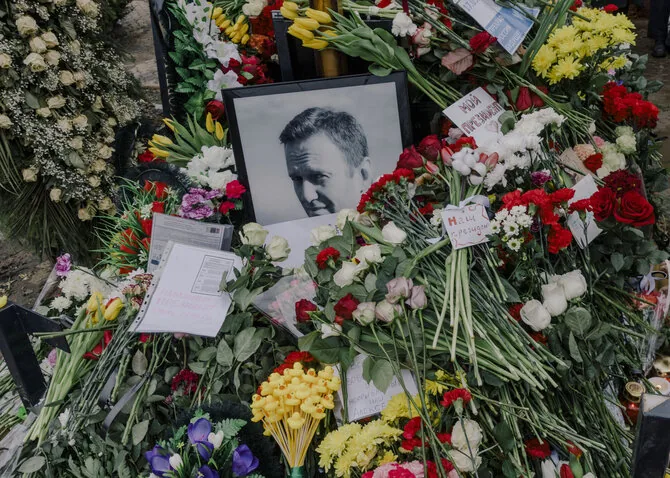
The alleged crime of B. Nadezhdin was that he quoted a 2023 video posted on another opposition activist’s YouTube channel on his Telegram channel. In that video, at the 48th minute, the mentioned “extremist symbol” briefly appears – an image of the late opposition leader Alexei Navalny.
Read more Atlanta Hawks traded the Frenchman selected with the first pick
Russian authorities have designated A. Navalny’s organization as “terrorist” and “extremist.” He died in an Arctic colony in 2024. He and Western governments claimed he was poisoned by Russian agents.
B. Nadezhdin noted that efforts to “dig up” anything to accuse him of show that the authorities fully understand that ordinary Russians are dissatisfied.
“They are rummaging through people’s pockets, beds, and phones,” he said, referring to the worsening economic situation in the country, measures against the LGBTQ+ community, episodes of mobile internet blocking, restrictions on using foreign apps, and policies aimed at curbing population decline.
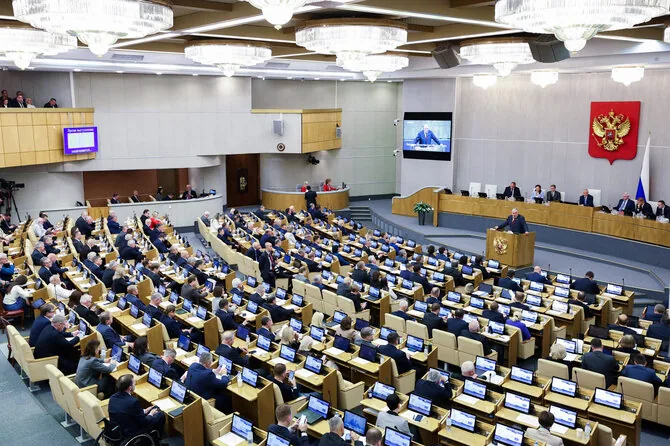
The pressure on B. Nadezhdin is part of a broader crackdown on opposition politicians. Even those who have no chance of entering the lower house of parliament, called the Duma.
“This machine can only move forward, suppressing everything around it, and it is hooliganish and cruel,” said Moscow-based journalist Andrey Kolesnikov. “They also cannot allow any kind of new political leaders to emerge in the opposition.”
“Yabloko,” the only officially registered party that openly called for an end to the war in Ukraine, has also faced several of its well-known members being banned from running in elections, using the same pretext as was used against B. Nadezhdin.
Since 2003, the party has not held a single seat in the federal parliament but remains represented in some regional legislative bodies. Now it has lost its strongest candidates for posts at both the federal and regional levels, explained the party’s press representative Igor Yakovlev.
“Some of them were re-elected for decades,” he said in a phone interview from Moscow. “They are very well-known politicians in their regions; people vote for them.”
Elections in Russia provide only the illusion of democracy. However, I. Yakovlev emphasized that it is important for opposition politicians to be on the ballots, even if the government falsifies the results and the true outcomes are not revealed to the public. This way, the Kremlin could get some idea of how voters feel and perhaps adjust its policies.
“We hope it will somehow affect foreign policy,” he noted, indirectly referring to the war, “and we hope it will save the lives of those who would die if all this continues.”
I. Yakovlev said that his party’s leadership openly admitted it could not protect candidates from persecution but still had no problems finding people willing to represent it in elections.
Opposition campaigns mobilize voters who would otherwise remain passive and not join any party, added political analyst Alexander Kinev, who lives in Moscow.
The government’s pressure on opposition politicians, he said, is aimed at preventing such voter mobilization and intimidating potential candidates.
“No one wants to be called a foreign agent, no one wants their business taken away tomorrow and so on,” the analyst said. “The cruelty towards Yabloko and Nadezhdin is obvious.”
Meanwhile, the Communist Party of Russia is considered part of the “systemic opposition,” meaning it votes with the ruling party “United Russia” on Kremlin-important issues but may take different positions in other areas.
However, even it has faced pressure. This month, a Saint Petersburg court sentenced regional legislative assembly member Ivan Apostolevsky to 10 days in jail, blocking his plans to run for the federal parliament.
He was charged with the now familiar accusation: “displaying extremist symbols.” In this case, the charge was related to him sharing social media posts in 2018 that included the Facebook and Instagram logos. The company Meta, which owns these social networks, was declared “extremist” by the Russian government in 2022.
On Friday, B. Nadezhdin was sentenced for displaying extremist symbols. For such a crime, the first offense carries up to 15 days of arrest, and a repeat offense up to four years in prison.
In an interview three days earlier, he admitted that he had begun considering leaving Russia for the first time. On Thursday morning, he was informed that he was banned from leaving the country.
This article was published in The New York Times.
© 2026 The New York Times Company