







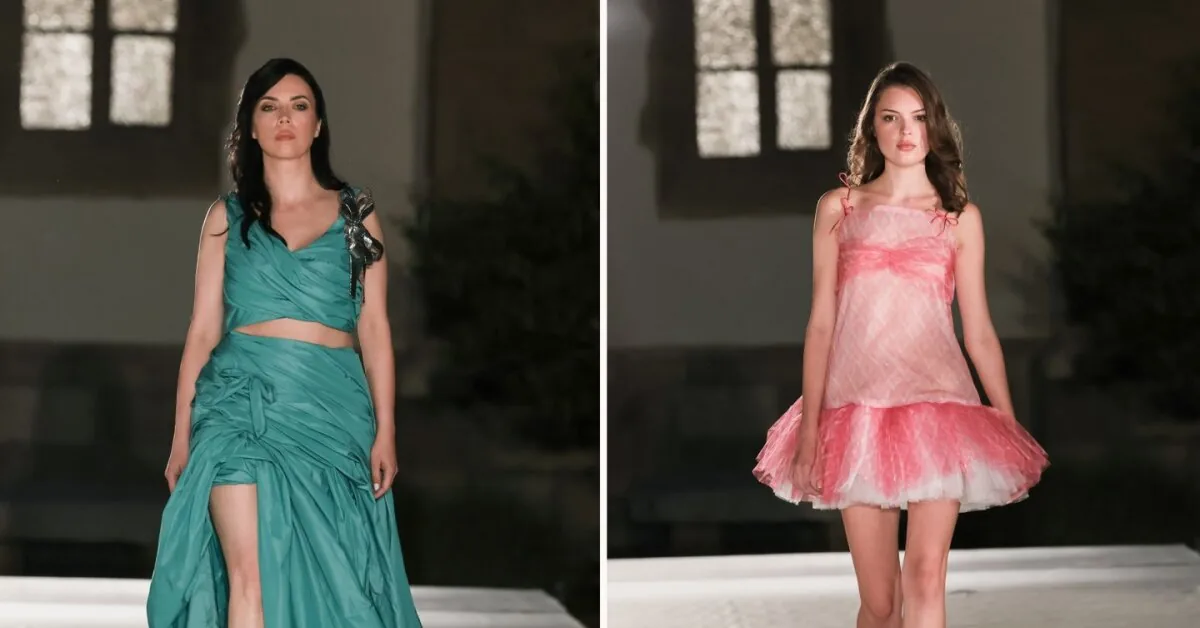
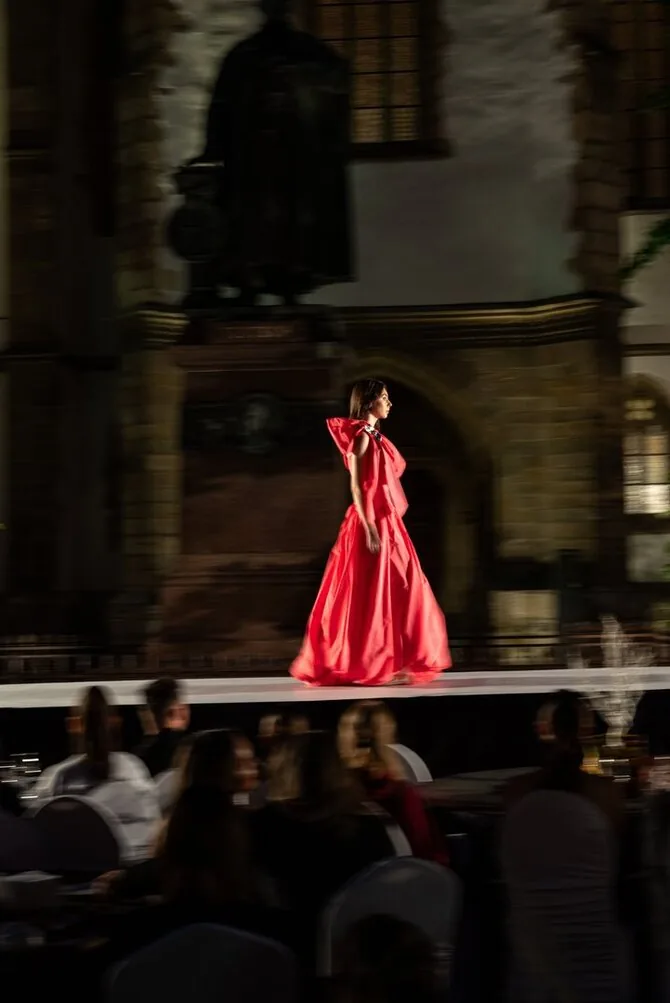
The annual event held in the Transylvanian city of Sibiu is known for its unconventional spaces, bold ideas, and international community of creators, where fashion becomes not only an aesthetic but also a cultural dialogue, according to a statement from the brand’s representatives to the media.
Read more Spain clashed with EU migration «hawks» over tense Ceuta negotiations
According to the designer, the opportunity to present her work on such a platform is not only a professional recognition but also a chance to see how her ideas resonate in an international context.
“Feeric Fashion Week” has always seemed to me a very interesting European fashion platform because here fashion is perceived as a cultural phenomenon, not just clothing. I really liked the atmosphere of the event – although very different aesthetics meet, there is no sense of competition. On the contrary, there is curiosity, respect for creativity, and a desire to converse. At such fashion weeks, you realize that the most important thing is not to adapt to trends but to have a clear creative voice,” says M. Grikšaitė.
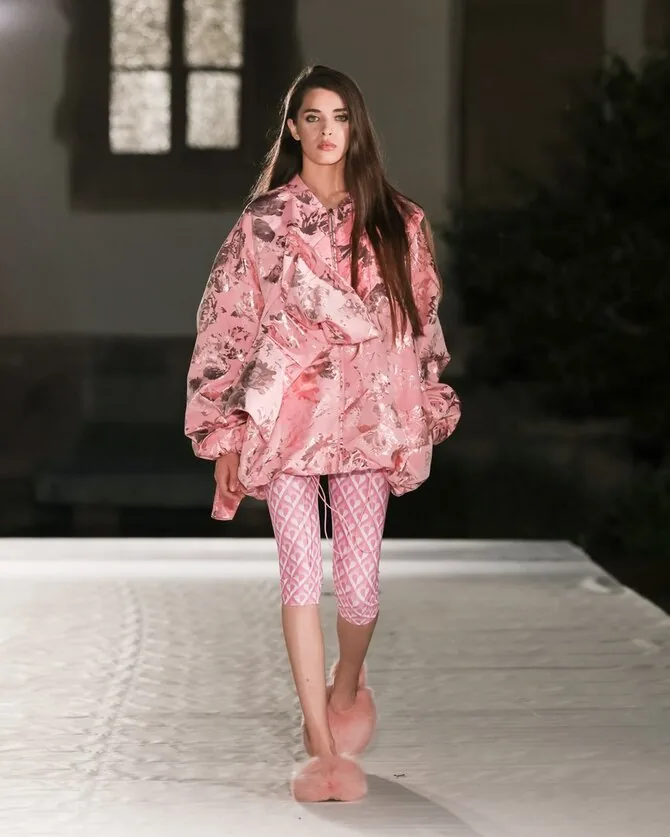
The collection “Unwrapped” was inspired by the moments of unwrapping gifts, the moments between waiting and discovery, so the aesthetics of packaging became the main motif of the collection. “In the collection, I explored the aesthetics of packaging, transferring it into the garment’s construction. I wanted to avoid direct quotes, so the packaging motifs became not decoration but the architecture of the garment itself. ‘Unwrapped’ tells about authenticity and the courage to be seen. About the fact that true value lies not in the packaging but in the person,” the designer explains.
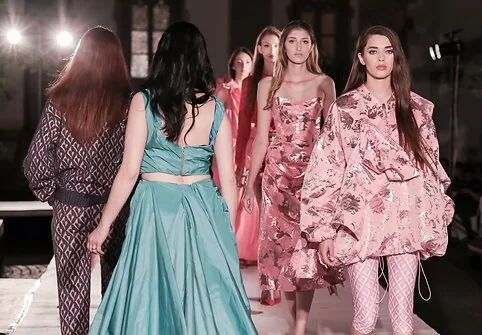
The latest M. Grikšaitė collection features a soft palette of pastel shades, lightly falling fabrics, drapery, ribbon motifs, and architectural constructions. Romantic silhouettes blend here with contemporary oversized solutions, and lightness contrasts with precisely thought-out forms. The collection repeats subtle elements of packaging aesthetics – knots, folds, ribbons, and layering, which become not decorative accents but an integral part of the garment’s construction.
Although the collection is united by a common creative idea, it consciously does not limit itself to one silhouette or aesthetic. Alongside light romantic dresses, voluminous outerwear, knitwear sets, evening looks, and everyday models are presented – emphasizing that the modern woman can be different and not lose her authenticity.
Read more “Xpeng” introduced a new electric car that also runs on gasoline: what makes the L03 special?
One of the most important goals of the collection was not only to create a visually recognizable aesthetic but also to invite the viewer into a dialogue. The designer felt that this goal was achieved through the reactions of the international audience. “People very quickly recognized the packaging motifs, but in conversations, they increasingly moved to a deeper metaphor – about the person, identity, and openness. For me, that was the greatest compliment because that was exactly the dialogue I wanted to create. I think many are already tired of complicated ideas, concepts, and artificial intellectualism, so I pay more and more attention not only to aesthetics but also to applicability. It is important to me that the collection has a clear concept but at the same time fulfills the main goal – that it is good to wear those creations. I pay more attention to materiality, construction, and the feeling a person experiences when wearing a garment.”
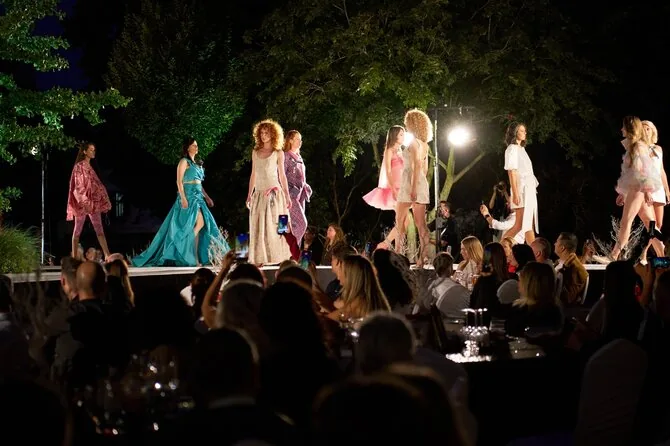
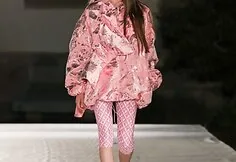
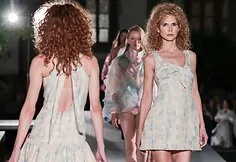
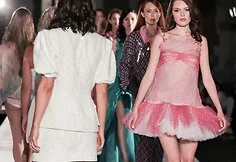
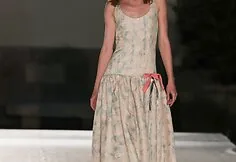
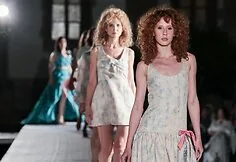
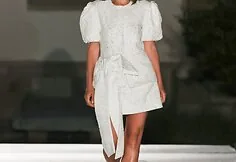
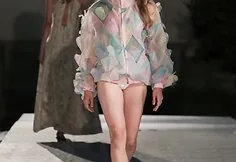
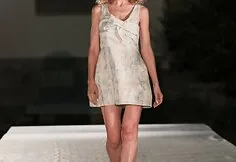
M. Grikšaitė saw the potential of Lithuanian designers on the international stage not only in her own performance. As a lecturer at Kaunas College, she is pleased that three students from this higher education institution also presented their collections in the student program of “Feeric Fashion Week.” “I was very happy to see their work in an international context – they looked very strong and brave. Each collection was cohesive, conceptual, had a clear creative direction, but at the same time stood out for its applicability. I think this is very important in today’s fashion, where not only original ideas are sought but also a real connection with the person,” says M. Grikšaitė.
The designer is convinced that authenticity is one of the greatest strengths of Lithuanian fashion creators today. “We do not have a huge commercial fashion industry, so we can afford more creative freedom and seek a unique creative voice. Lithuanian designers stand out with strong constructive thinking, respect for craftsmanship, materials, and the ability to create conceptually. But no less important is that conceptuality is increasingly combined with practicality – the clothes created have a clear idea but are also understandable and relevant to today’s person.”
After the “Feeric Fashion Week” show, M. Grikšaitė plans to continue consistently strengthening her brand identity, developing author collections, and paying even more attention to exploring fashion, the body, and emotional experience. According to the designer, the merging of these areas will shape the next stage of the brand – one where fashion becomes not only an aesthetic but also a meaningful experience.