According to data from the European Centre for Disease Prevention and Control (ECDC), from the start of the 2026 disease transmission season until August 13, 77 West Nile virus-affected areas have been identified in nine European countries. Most of them were recorded in Italy (40), Greece (13), and Romania (12). Affected areas were also identified in France, North Macedonia, Spain, Germany, Kosovo, and Serbia.
Read more Body of a 44-year-old man found in an apartment in Kaunas
This year, these countries have already reported 429 human infection cases, of which 224 were in Italy and 105 in Greece.
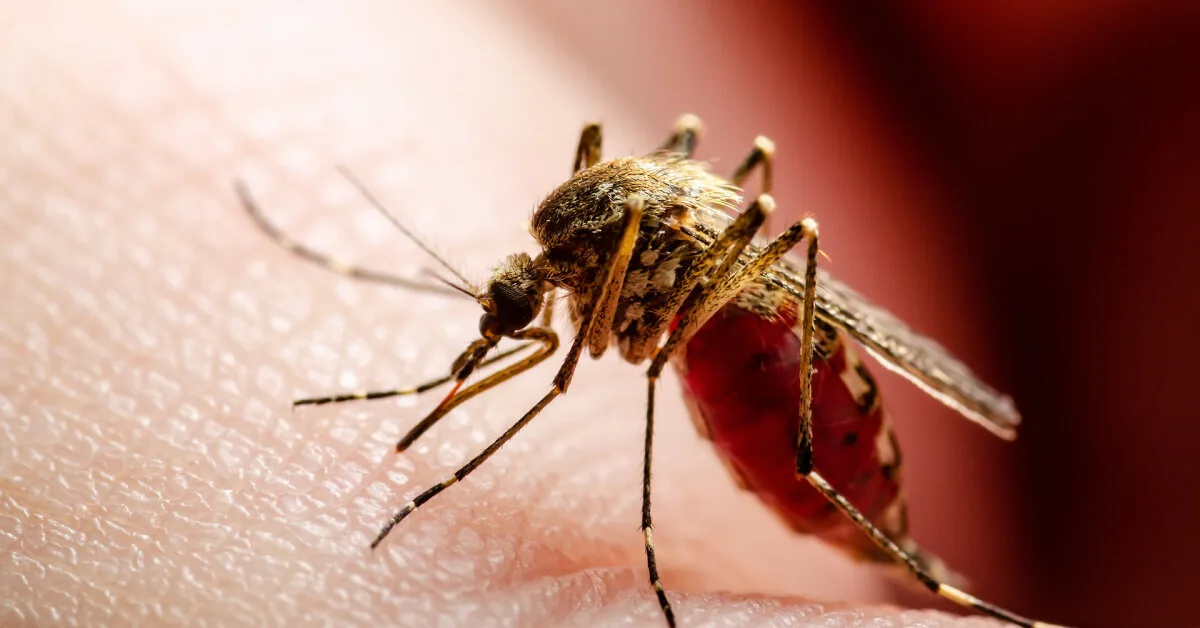
West Nile fever is a zoonosis that can manifest with flu-like symptoms. The main natural reservoir of the virus is infected birds, and its vectors are Culex spp. mosquitoes. Infected by infected birds, mosquitoes can transmit the virus to humans and animals through bites. The virus does not spread directly from human to human or from animal to human.
Most cases among animals are found in wild birds
In 2026, until August, competent veterinary authorities of the European Union member states reported 126 cases of West Nile fever in animals. Most of them were found in wild birds – crows, magpies, jackdaws, and owls, during disease spread monitoring.
The disease is also relevant to horse owners. This year, 33 individual cases of West Nile fever infection in horses were recorded in France. In horses, the disease, as in humans, can manifest with fever and other flu-like symptoms. Treatment is symptomatic, and insecticides and repellents are used in stabling areas.
Read more The door is suddenly slammed shut by a famous sports club
Planned monitoring in Lithuania
With climate warming, the distribution of infectious diseases and their transmission conditions are changing. Higher temperatures and changing precipitation create more favorable conditions for disease vectors, including mosquitoes and ticks. As a result, some infectious diseases may spread to new regions, and their transmission season may lengthen.
“Although no cases of West Nile virus have been detected in Lithuania at present, its spread in Europe is relevant to our country as well. In 2024, one case of the disease was detected in a wild bird in Latvia, and this year the closest country to Lithuania where the virus has been registered is Germany. Considering the spread of the disease in Europe, next year, together with the National Food and Veterinary Risk Assessment Institute, we will conduct monitoring of this disease in Lithuania as well – wild birds will be tested,” says Vaidotas Kiudulas, Chief Veterinary Officer of the Republic of Lithuania.
Lithuania, together with other European countries, is preparing to participate in a new European Union project that will strengthen the monitoring of infections important to human, animal, and environmental health in 2027–2028. The project is based on the “One Health” principle.
For West Nile fever monitoring in 2027–2028, horses, wild and domestic birds are planned to be tested. This disease monitoring will be part of a broader priority zoonoses research program planned in Lithuania – not only domestic and wild animals but also ticks, milk, and samples from livestock farms and slaughterhouses will be tested. Tick-borne infections are also included in the monitoring – Ixodes ricinus ticks will be tested for Borrelia burgdorferi, Coxiella burnetii, and tick-borne encephalitis virus.
Read more «Žalgiris» and Tapinas show: Ted Lasso invited to Vilnius to coach the team