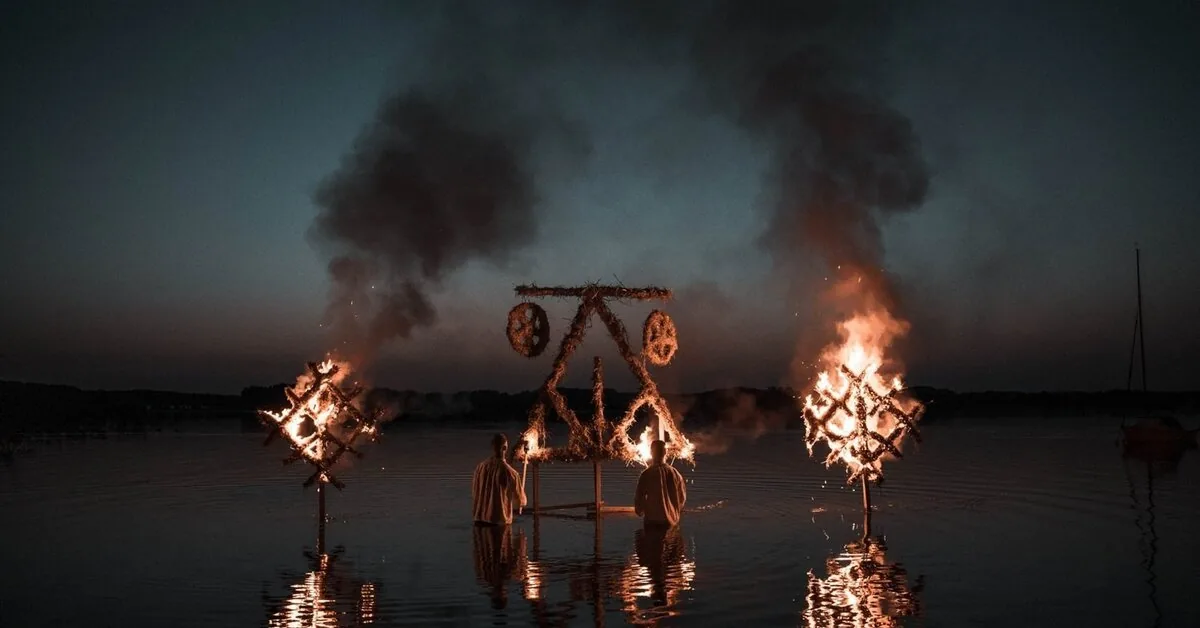
The Šilutė district municipality, located in the Nemunas Delta near the Curonian Lagoon, unites the cultures of Lithuania Minor and Lithuania Major. Šilutė is the capital of the ethnographic region of Lithuania Minor, but about one-third of the current municipality’s area belongs to Samogitia. Important border posts were established for five hundred years near its larger towns – Švėkšna, Žemaičių Naumiestis, Gardamas, or Vainutas, through which Lithuanian book smugglers transported Lithuanian press and books to Lithuania Major during the tsarist press ban years. Although Šilutė did not match the printing capacities of Tilsit or the M. Jankus printing house operating in Bitėnai, it was still an important part of this network. Šilutė’s booksellers not only printed and distributed Lithuanian publications themselves but also supported the activists of the national and cultural movement of both Lithuanians.
Read more Park renovated in Šeškinė
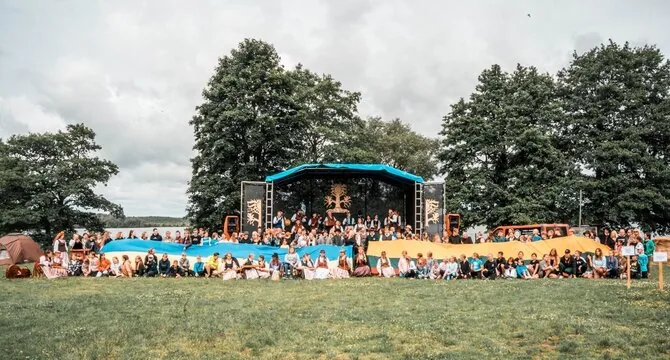
Although immediately after World War II there were only 7* residents left in Šilutė, today the people living in the municipality preserve and nurture the history and culture of the Lietuvininks, even though they are not their direct descendants. For example, during celebrations, they dress in traditional national costumes characteristic of the Lithuania Minor region, bake gliumzinis pie, sing songs of this land, decorate with weather vanes, or learn the Šišionys dialect.
These cultural history facts testify to the centuries-long cultural dialogue between Lithuania Minor and Lithuania Major that continues today in the Šilutė district municipality.
Cultural organizations – the driving force of the municipality’s cultural life
The Šilutė Cultural Center, H. Šojaus Museum, F. Bajoraitis Library and their branches, H. Zuderman Chamber Drama Theater, and Kintai Vydūnas Cultural Center form a well-developed network of several dozen budgetary cultural institutions whose activities are recognized at the national level.
The employees of these institutions are true patriots of their land. This is illustrated by the inclusion in the Lithuanian Intangible Cultural Heritage list in 2023, initiated by the Šilutė Hugo Šojaus Museum, of the initiative to revive the Šišionys (Lietuvininkai) dialect, and in 2024, initiated by the Šilutė Cultural Center, of the initiative to revive the culture of drinking coffee.
In 2013, the Šilutė Cultural Center, together with the local community, created and initiated one of the three national cultural routes, the “Weather Vane Route,” currently uniting seven municipalities and inviting people to discover the stories of Lithuania Minor.
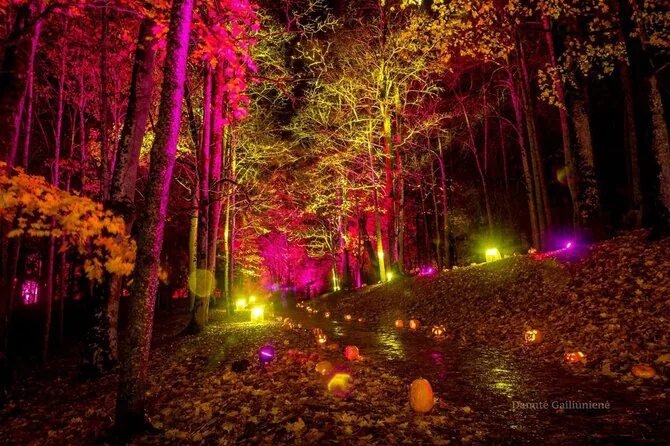
The interactive game about local history “Grindopolis,” created by the F. Bajoraitis Library, the restoration of the Moorish architecture Švėkšna synagogue initiated by the Šilutė H. Šojaus Museum, or the international enamel laboratory “Pamario Signs” organized by the Kintai Vydūnas Cultural Center are just a few prominent cultural projects revealing the wide range of activities of the municipality’s cultural institutions.
There are only a few non-governmental cultural institutions in the Šilutė district municipality, and their number has not increased in recent years. Non-governmental sector institutions are associated with diversity in the cultural field, so their small number may limit the directions of cultural life development in Šilutė. In this area, for example, the NGO “Kintai Arts,” led by Audra Juodeškienė, organizes the “Kintai Festival,” celebrating its fifteenth season, as well as contemporary interdisciplinary art projects and residencies – one of the few examples of the non-governmental sector in the Curonian region.
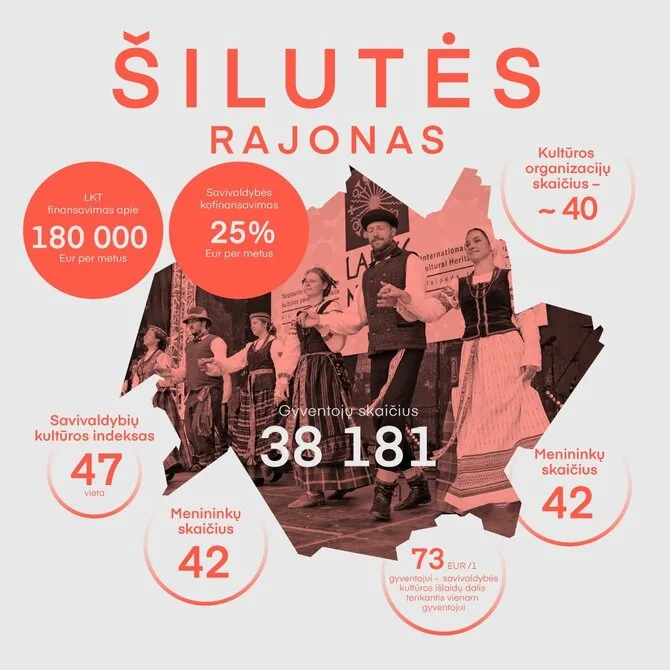
Regarding the diversity of art fields, from the applications funded by the Lithuanian Council for Culture from Šilutė municipality’s cultural institutions since 2014, it is seen that most projects implemented in this region are libraries (58), museums (37), interdisciplinary (28), music (27), and ethnic culture (27) projects.
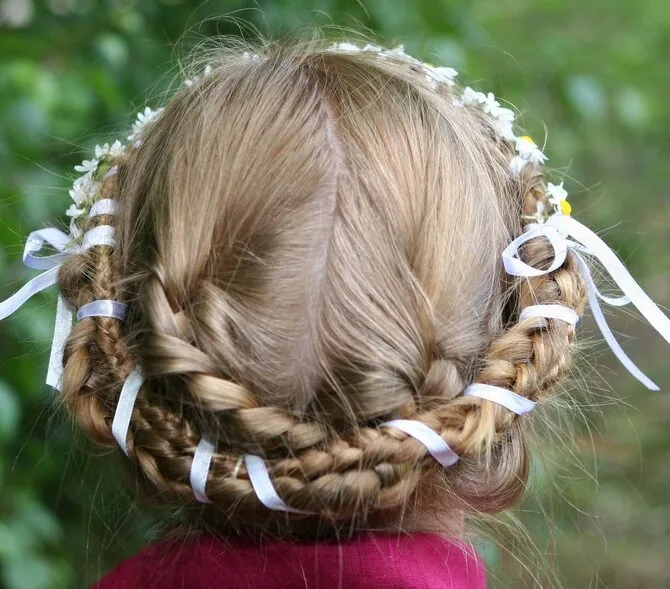
In twelve years, there have been no funded initiatives in performing arts, cinema, architecture, design, or photography.
However, part of this niche is filled by cultural field participants coming to Šilutė municipality from other parts of the country with their projects due to its uniqueness. For example, this summer, the internationally awarded Skalvija “Film School” took place in Kintai. Also, for the first time this year, the ideological continuation of the “Mėnuo Juodaragis” festival, the contemporary Baltic culture, alternative music, and nature festival “Regykla,” was held at Ventė Cape.
Read more «Wildcats» coach – about friendship with Arvydas Sabonis and protégés in «Žalgiris»
Artists
There are 42** artists creating in the Šilutė municipality, meaning one artist per thousand residents of the Curonian region. This indicator is close to the Lithuanian average. Compared to neighboring municipalities, the situation is similar in Tauragė and Šilalė. In Klaipėda district, there are more artists – one artist per 750 residents. The situation in Pagėgiai municipality is much worse – just 2 artists per more than 7,000 residents.
Most artists in Šilutė municipality are musicians (16), representatives of ethnic culture and folk art (9), literature (6), and architecture (5); there are four painters and a couple of photographers.
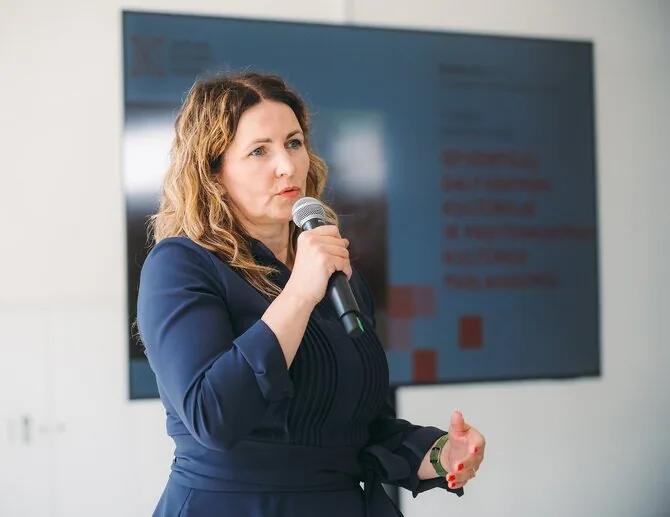
One example of an active artist creating in Šilutė is Andrius Sirtautas, laureate of the “Lietuvininkų viltis” award. As stated on the F. Bajoraitis Library website, this artist’s works respond to processes occurring in the city. His first paper sculptures created together with students appeared in the city as early as 2002. Since then, almost every year, new emerging installations rise in the Šyša River, and the unique project “Šilutės sekretai” tells the city’s history to residents and visitors through small architectural forms. The artist not only creates for the city but also brings together colleagues from the Šilutė Art School, students, museum workers, business representatives, and residents for the creative process.
Declining attention to culture
By population, the Šilutė district municipality ranks sixteenth out of sixty Lithuanian municipalities. However, in the 2022 Culture Index, Šilutė district municipality ranks only 47***. The municipal culture index evaluates the cultural situation from 7 perspectives, considering the number of creators, activity of cultural organizations, municipal funding for culture, cultural heritage, and residents’ involvement in cultural activities. For comparison, the neighboring Šilalė municipality ranks 29th in the culture index.
In 2025, Šilutė district municipality’s expenditures on culture amounted to 2.8%, or 73**** EUR per municipality resident. By this indicator, Šilutė ranks fiftieth out of sixty municipalities. For comparison, in 2021, the municipality’s expenditures on culture were 8.5%, or almost 138*****
EUR per resident.
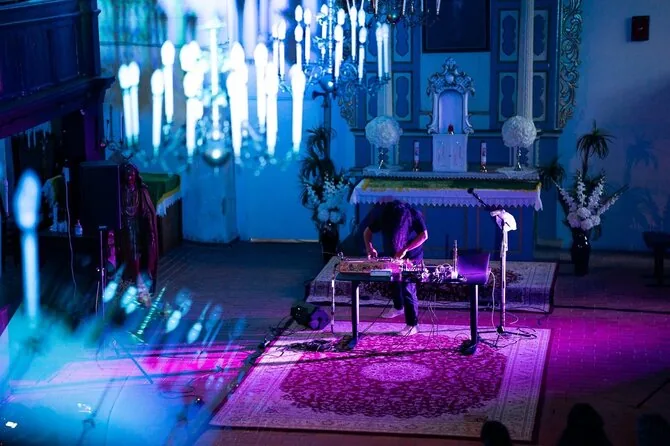
In 2025, the Lithuanian Council for Culture funded 8 projects of Šilutė municipality’s cultural organizations for 180 thousand EUR. Six of them were funded under the program “Balanced Cultural Development,” aimed at reducing cultural exclusion between regions and encouraging the creative activity of local communities. Among them are the “Saturday Lietuvininkai Dialect School” organized by the Šilutė H. Šojaus Museum, the professional art dissemination festival “Mykolo Tiltai,” and others. A total of 40.3 thousand EUR was allocated for six projects. A necessary condition of this program is that state funding must be supplemented by the municipality’s contribution. Municipalities must allocate at least 30% of the funds provided by the Lithuanian Council for Culture. In 2025, Šilutė district municipality allocated less than recommended – only 25%.
Decreasing budget expenditures on culture and insufficient municipal contributions to already state-funded projects important to the local community suggest that culture has not been a priority in municipal funding in recent years. It should also be noted that the municipality provides information on its website about the growing overall budget.
Summary
“The Šilutė district municipality is a unique place where the centuries-long cultural dialogue between Lithuania Minor and Lithuania Major – from the book smugglers’ network to today – continues through a well-developed network of budgetary cultural institutions, active individual artists, and initiatives such as the ‘Weather Vane Route’ or ‘Šilutės sekretai.’ However, this cultural heritage and potential are currently not adequately reflected in the municipality’s financial priorities: the low culture index rating does not correspond to the municipality’s size, and expenditures on culture have decreased more than threefold over the past decade. Additional risks are posed by a weak non-governmental sector and a narrow range of funded art fields. In other words, the dialogue between Lithuania Minor and Lithuania Major in Šilutė remains a living basis of the municipality’s cultural identity, but its sustainability in the future will depend on the municipality’s attention to culture,” summarizes Gražina Šeputė-Norvilė, head of the Lithuanian Council for Culture’s Monitoring and Analysis Department.
*Universal Lithuanian Encyclopedia, online access.
**Kregždaitė, K. Mažeikaitė, K. Šulskutė. Assessment of the creative and economic environment of artists. 2025
Read more Double success: two Lithuanians narrowly made it to the European Championship semifinals
*** K. Mažeikaitė. Municipal Culture Index. 2022
**** Data on the execution of municipal budget expenditures, online access.
***** ibid