









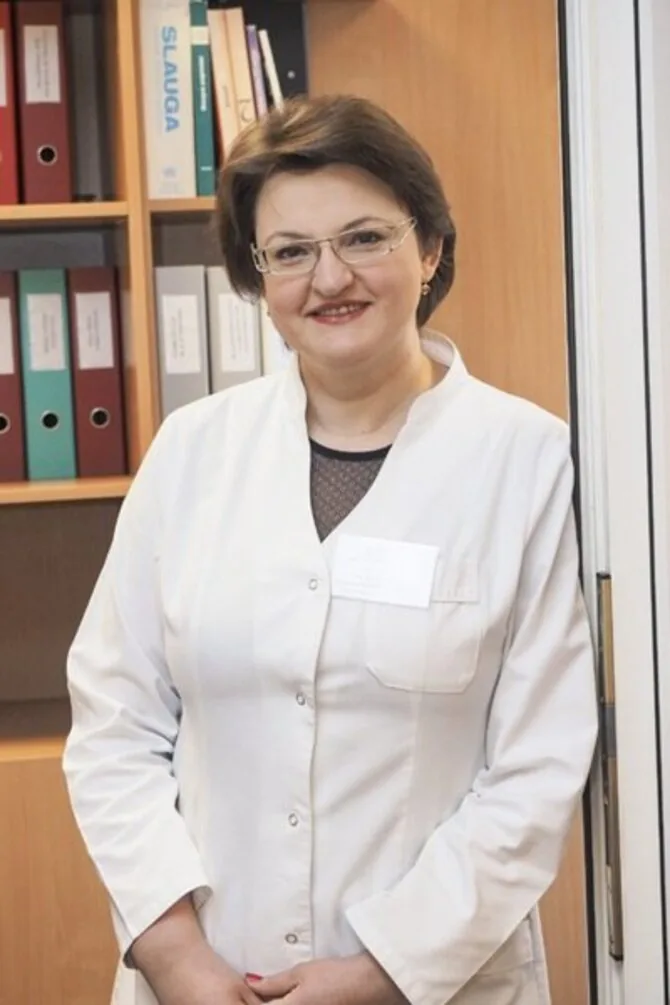
„The patient needs not only to be prescribed treatment but also to be able to talk it out,“ says the head of the department, public health specialist Veronika Mickevičienė.
Read more The magic of numbers and summer weekends: the most popular wedding dates of this year revealed
Very often, patients leaving the doctor’s office have many questions. During treatment, a person receives a lot of medical information, which is not always easy to immediately understand and remember. Moreover, when faced with cancer, anxiety and uncertainty can hinder navigating the abundance of information, according to a press release from Santaros Clinics.
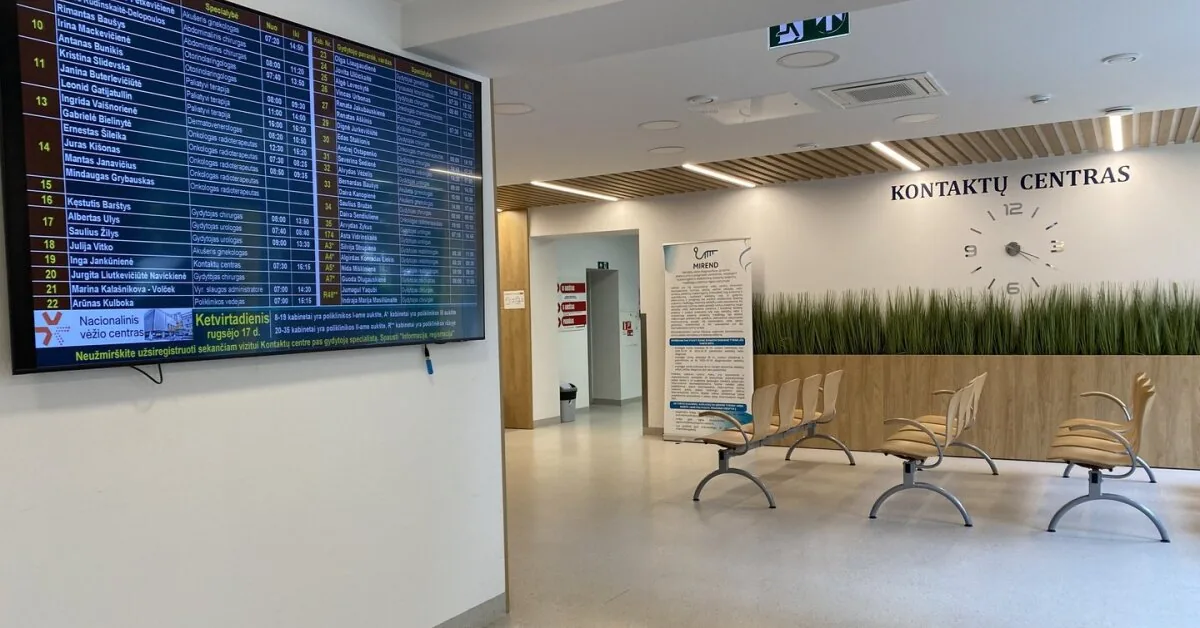
The goal of the Patient Experience and Information Management Department, established a few years ago at the National Cancer Center (NCC), is to help the patient orient themselves on their disease journey. Here, patients can come with questions that arise after leaving the doctor’s office, clarify information about treatment, consult on practical everyday issues, or simply be heard.
The department head, public health specialist V. Mickevičienė, who has been working at the NCC for over 30 years and has accumulated extensive knowledge about oncological diseases, their treatment, and practical aspects relevant to the patient, helps answer patients’ questions. However, according to V. Mickevičienė, it is equally important that a person facing cancer has a comfortable space where they can calmly express their anxiety, doubts, and questions.
What concerns patients the most?
Patients come to the Patient Experience and Information Management Department on their own or are referred by a doctor. According to V. Mickevičienė, patients most often come with the question of what additional treatment or other measures could still be applied.
“It is commendable when a patient comes to consult about alternative methods. The doctor will not prescribe alternative medicine measures during treatment, and patients very often want to treat themselves with all methods at once. However, applying methods heard from neighbors or read about on the internet is risky. Some measures can be applied, but certain methods can cause harm and are not recommended. Therefore, it is necessary to find out what the patient intends to do and convince them to consult with the doctor before using any measure,” the specialist explains.
According to her, patients also often need help to overcome unfounded fears.
“The patient lives with that fear every day, for example, having heard somewhere that sugar should not be eaten during cancer treatment. When patients come to talk, it becomes significantly easier for them to live,” says V. Mickevičienė.
According to the specialist, some questions can be answered without the help of a doctor, and the NCC Patient Experience and Information Management Department is the place where the patient can come and talk.
“No matter how empathetic doctors are, their primary task is to control the disease, and due to a tight schedule, they cannot allocate time for long conversations. Cancer is usually a completely new and frightening experience for the patient, so even after receiving answers from the doctor or searching for information independently, uncertainties and anxiety remain. We help fill this gap – during conversations, it becomes clear what other help the patient needs at this stage. When all specialists share the same opinion regarding the patient’s treatment and care – then the patient feels braver,” emphasizes the department head.
Practical information – from treatment to incapacity
V. Mickevičienė helps patients orient themselves to whether they have correctly understood the information about the disease and treatment provided by the doctor. If discrepancies are noticed, it is advised to discuss a certain aspect with the doctor again. Questions related to everyday life are also often discussed: patients are concerned about how to balance work and disease treatment, how to extend incapacity, and what benefits they are entitled to.
Employees of the NCC Patient Experience and Information Management Department also help solve other practical issues. For example, they help female patients who have lost their hair to select and gift a suitable cap. Head coverings have been sewn free of charge for several years by volunteer seamstresses.
Read more Russia summoned the UK diplomat over increased arms supplies to Kyiv
Patient experience – no less important than the process itself
Sometimes people come to the department because they were dissatisfied with the services provided by doctors or other specialists.
“Our goal is quality services and a satisfied patient. We identify negative aspects of patient experience, obstacles, consider how we can help and adjust the patient’s path. The mediation function is very important in improving patient experiences,” says V. Mickevičienė.
According to the specialist, listening to the patient itself can become a kind of psychological support.
“Every patient needs to talk it out. What is most often not provided for in the organization of health services, but what the patient most often needs, is not only to be prescribed treatment but also to be heard,” she emphasizes.
Help is also provided remotely
Help for patients at the NCC is provided not only in person. Inquiries are answered by email at pagalba@nvc.santa.lt, as well as in the live chat window on the main www.nvc.lt page.
Informational brochures about oncological diseases, their treatment methods, life after treatment, and related residual effects can be taken free of charge at the Patient Experience and Information Management Department.
NCC consistently improves patient experience
Improving patient experience is one of the strategic goals of the NCC, so that a person facing cancer receives not only treatment but also feels better and more comfortable throughout the treatment journey. Various innovations aimed at the convenience of patients and their relatives have been implemented in recent years.
A modern transport access control system “STOP and GO” has been installed at the NCC entrance, allowing accompanying persons to conveniently drop off the patient at the NCC entrance and accompany them, then leave within 15 minutes.
The procedure for using wheelchairs has also been simplified – they can be simply taken at the glass vestibule of the NCC main entrance and returned without additional procedures after use.
Quiet rooms have also been arranged for the convenience of patients and their relatives. They can calmly wait for procedures there or, if needed, work remotely.
The infrastructure of departments is also improving – the physiotherapy room and psychologist’s office have been renovated. Clearer signs have been installed in the main hall to help patients and their relatives more easily find the necessary services. Another convenient zone for patients will be arranged soon.
Read more Meat not only for steaks: what else can be made from one good piece?