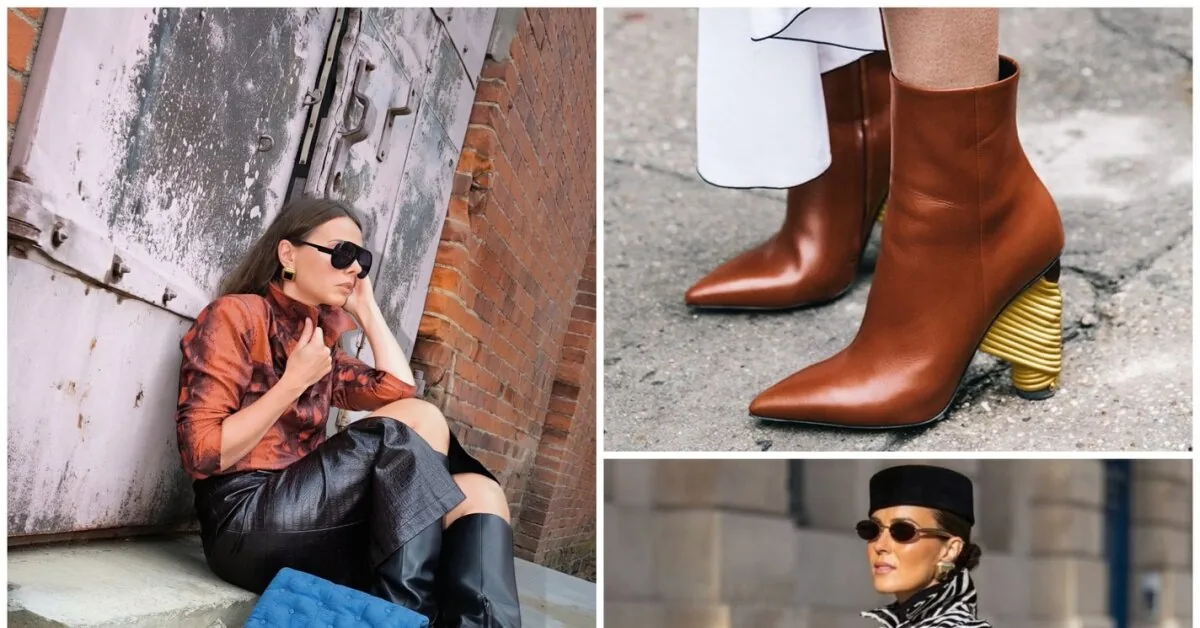
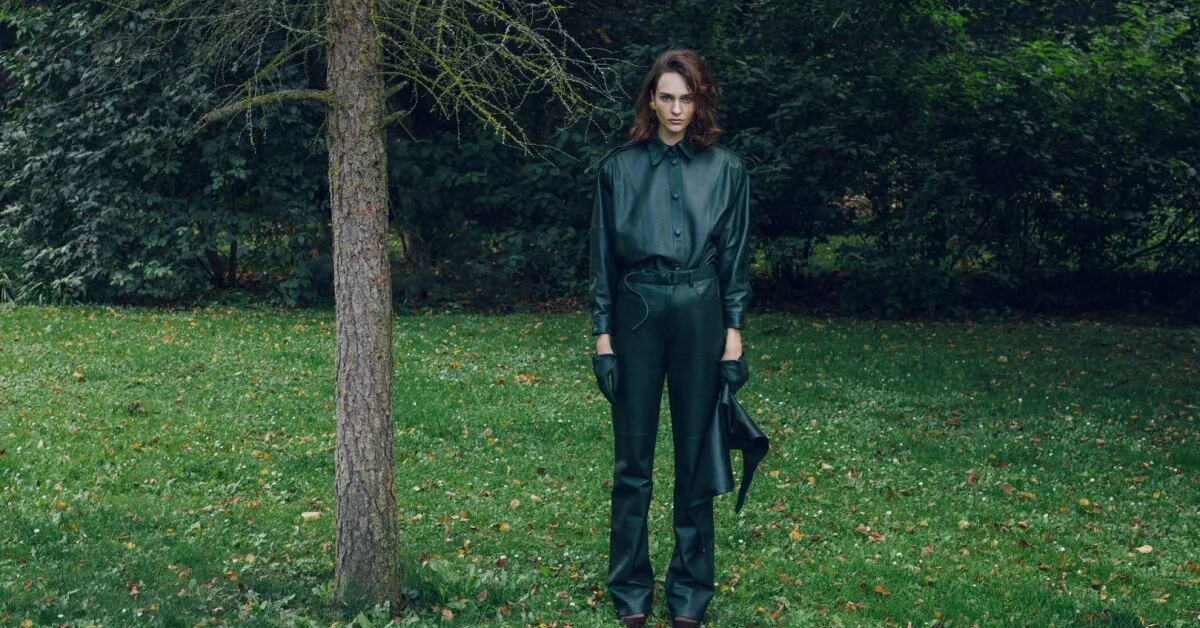
„We are pleased that our festival grows every year and today encompasses much more than an impressive sustainable fashion show. We expand education beyond the runway – the conference and creative workshops, which have become a tradition, enable not only talking about sustainability but also practically seeking new solutions, exploring the opportunities opened by science and technology, rethinking the creative process, and discovering what we can preserve, reuse, or create differently,“ says the festival director Indrė Jakaitytė-Gandžumian in a press release.
Read more Donald Trump’s endorsed candidates won victories in the primaries
The first days of the festival, August 25 and 26, are dedicated to practical sustainable fashion workshops. During them, participants will create jewelry from secondary materials, practically testing how what has already lost its primary purpose can become the beginning of a new design.
About the future of fashion – from AI to biodesign
The meeting on August 27 at Vilnius Town Hall will be opened by Prof. Dr. Eugenijus Skerstonas. This year, sustainable fashion will be discussed at the conference from the perspectives of innovation, science, and creativity. ISM lecturer and sustainability program leader Kristina Maikštėnienė will reveal how artificial intelligence can help create more sustainable fashion strategies, while fashion engineering master’s graduate, designer, and European Climate Pact ambassador Olesia Les will raise the question of what today more strongly drives consumerism – commercial manipulations or a lack of personal awareness.

The international perspective will be presented by Guenda Cermel, a representative of RUFA – Rome University of Fine Arts – who has more than 25 years of experience in the fashion industry and academia. In Vilnius, she will introduce the “Re-Ciclica” method for fashion and moderate a discussion about the future of circular fashion. Claire Deuffic, a representative of London’s Central Saint Martins and textile designer, will talk about biodesign – a field where nature and its processes become part of design and innovation.
The conference will also discuss the evolution of green textiles, the potential of fiber hemp in the fashion industry, and the real cost of fashion, which we do not see on the runway.
The second part will bring together different experiences in an international discussion “Rethinking Circular Fashion.” Alongside professionals from science, fashion, and sustainability, representatives of the younger generation of designers will join – US creator Rashad Warren and young RUFA designer Jules Hoornaert. The discussion will seek answers to whether technologies already allow true circularity, what role biodesign and creativity can play, whether young designers can change the future of fashion, and whether consumers themselves are ready to change their habits.

On the same day at 4 p.m., a masterclass will take place at Vilnius Town Hall, led by international makeup artist Sebastian Gradzik. His team will also take care of the makeup for the sustainable fashion show collections on Friday.
Friday – a record number of creators
The festival’s culmination is the sustainable fashion show on the evening of August 28 in Town Hall Square. In the largest presentation of young festival creators so far, as many as 25 talents from Lithuania, Estonia, Latvia, Italy, and the USA will showcase their work.
“Every year, festival participants pleasantly surprise us not only with sustainable solutions but also with strong creative ideas. This year, the freedom and courage of the young generation of designers are especially vivid – sustainability does not constrain them; on the contrary, it becomes an impulse to seek a unique aesthetic and a new fashion language. On the runway, we will see very different but creatively interesting works where sustainability is not an additional idea but an inseparable part of the idea itself,” says the festival’s artistic director, designer Serge Gandžumian.
The importance of this record is not just numbers. On the runway, very different interpretations of sustainability will meet. For example, in one collection, crystals are grown directly on fabrics; in another, colors are created by plants and natural pigments. Viewers will see fashion that can be experienced not only visually but also tactilely, creations made from production leftovers and already used materials, textile techniques passed down from generation to generation, and even a post-apocalyptic fashion vision.
Behind the collections lie stories that go far beyond material choices – from the human relationship with nature, memories of exile, and neurodiversity to disappearing cultural heritage, consumption, and personal transformation.
Read more Traffic jams returned earlier: provided a survival guide for drivers