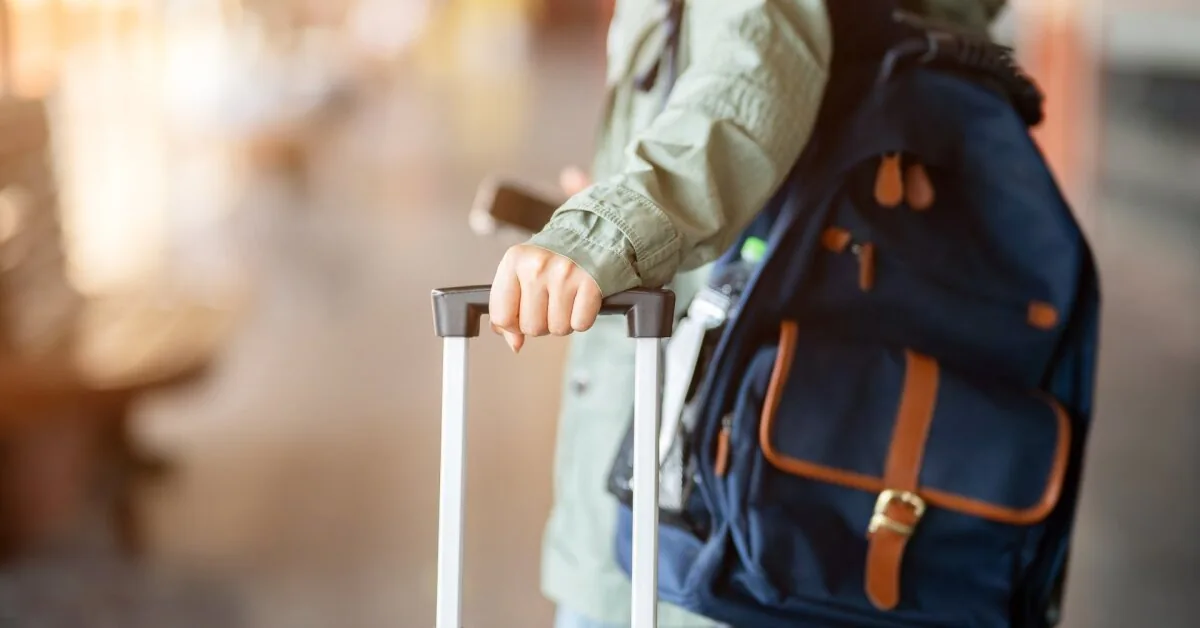
Traveling to distant or exotic countries may increase the risk of contracting infectious diseases that are rare or registered as imported in Lithuania. Therefore, before departure, it is recommended to learn about the epidemiological situation in the destination country, assess the need for vaccinations, and take other preventive measures, according to a press release from NVSC.
Read more Is it possible to write off debt to a former spouse through personal bankruptcy?
Take care of vaccinations in advance
One of the most important steps in preparing for a trip is consulting a doctor. It is recommended to see a family doctor or an infectious disease specialist at least 4–6 weeks before departure. After evaluating the travel destination, duration, planned activities, and individual risk factors, the doctor, taking into account international recommendations, will create an individual vaccination plan. The time it takes to develop immunity depends on the infectious disease being vaccinated against, the number of doses required, and whether the person has been vaccinated against this disease before.
“Every trip is different, so health risks are not the same. Some travelers may only need to assess the status of routine vaccinations, while others, depending on the country, trip duration, or planned activities, may be recommended additional vaccines. Therefore, it is important to assess your specific travel risks and follow the doctor’s recommendations in advance, rather than following a general principle that all travelers need the same vaccines,” says Rasa Liausėdienė, advisor at the NVSC Infectious Diseases Management Department.
If traveling with children, it is also important to check whether they have been vaccinated according to the Lithuanian childhood vaccination schedule.
When are vaccinations necessary during travel?
Depending on the travel destination, certain vaccination requirements may apply, and additional vaccines may be recommended. Some countries require presenting an international vaccination or prophylaxis certificate.
The most commonly recommended vaccines for travelers are against hepatitis A, typhoid fever, cholera, yellow fever, and meningococcal infection. Those traveling to South American and African countries where there is a risk of yellow fever infection are usually advised to get vaccinated against this disease. Travelers going to places where hygiene conditions cannot be maintained should consider vaccination against hepatitis A and typhoid fever. If a person knows they will have contact with animals abroad, vaccination against rabies is recommended. Vaccinations against diphtheria and tetanus should be updated as needed.
It is important to know that the international vaccination or prophylaxis certificate becomes valid 10 days after vaccination. Therefore, it is important to take care of vaccinations and necessary documents in advance.
Read more «Merko» profit and revenue decreased, but order volumes reached a record level
Protect yourself from mosquitoes
When traveling to certain regions of Africa, Asia, or South America, protection against mosquito-borne diseases such as malaria, dengue fever, chikungunya, or Zika virus disease is important.
When traveling to malaria risk areas, chemoprophylaxis—preventive medication prescribed by a doctor—may be recommended. Consult your family doctor or infectious disease specialist about this. It is important to take preventive medications exactly as prescribed and simultaneously protect yourself from mosquito bites—use repellents, wear long-sleeved clothing and long pants, especially during the day, and use mosquito nets when sleeping in risk areas. Untreated malaria can be life-threatening.
“Malaria can be prevented, but it requires consistently following recommended preventive measures. One of the most common reasons travelers get sick is not taking preventive medications or taking them incorrectly and insufficient protection against mosquitoes,” emphasizes the NVSC representative.
Daily prevention is also important during travel
Vaccinations and insect protection are only part of the preparation. During travel, it is recommended to wash hands frequently or use hand sanitizer, drink only safe, preferably bottled water, avoid raw or insufficiently cooked food, be cautious when choosing street food, and avoid ice cubes if the water source is unknown. It is also worth preparing a travel first aid kit and not forgetting any personal medications.
It is important to know that travel requirements, epidemiological situations, and health recommendations may change, so it is advisable to check the latest information about the destination country before traveling.
Read more “Bears will walk in Moscow and Saint Petersburg”: Ukrainian deputy named Russia’s weakest spot