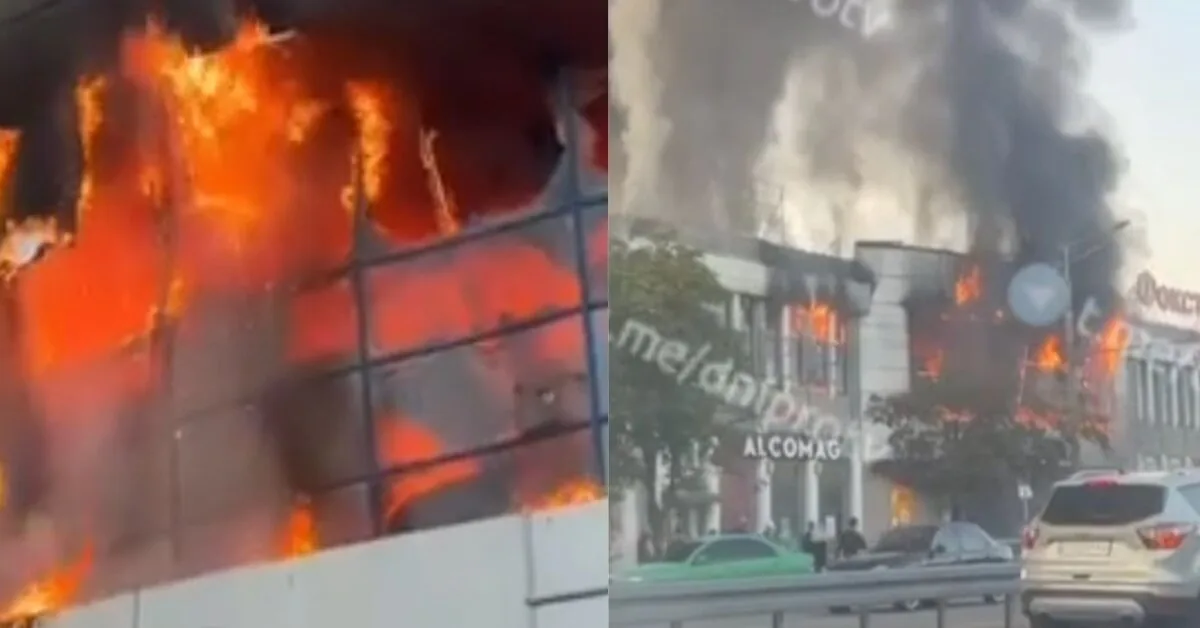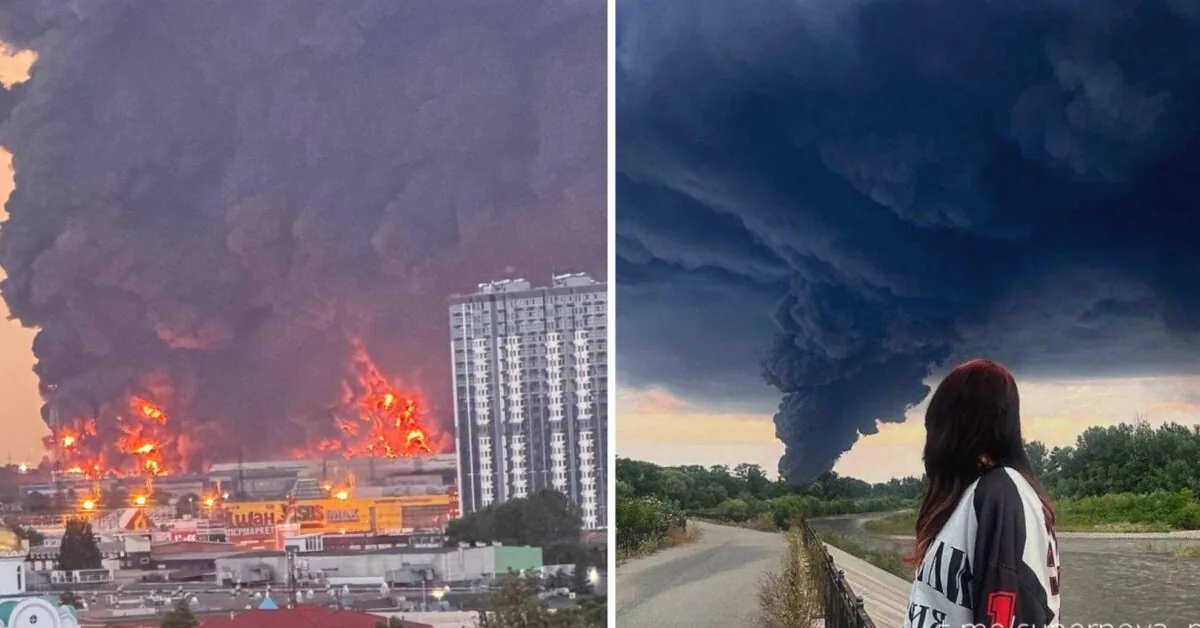
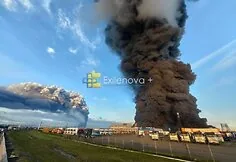
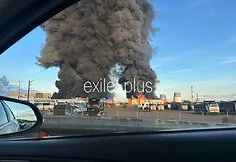
However, as The Wall Street Journal notes, Ukrainian attacks on the logistics centers of the country’s largest e-commerce company, Wildberries, have brought the war into the homes of Russia’s middle class.
Wildberries is deeply integrated into daily Russian life; according to its website, 81 million people use it monthly. Hundreds of thousands of independent sellers need the platform to sell anything from clothes and household goods to game consoles.
Some sellers shared their shock on social media that their goods burned during the attacks. Viktoria Terekhova, who sells children’s clothing, said that about half of her goods were destroyed due to the warehouse strikes, with losses exceeding 160 thousand dollars.
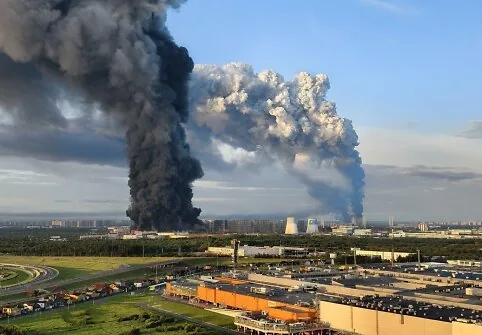
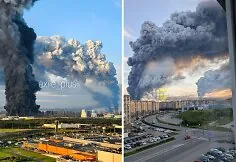
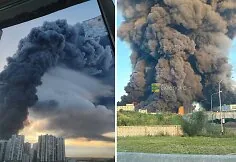
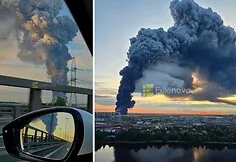
“If these strikes continue, we will have nothing left,” the woman feared.
A large number of buyers expressed anger towards Wildberries, fearing that the company would not compensate them for their losses. Less than two weeks before the attacks, the company changed its contracts with suppliers, thereby absolving itself of responsibility in the event of force majeure, in other words – drone strikes.
Ukraine’s consistent campaign of strikes against Wildberries logistics centers has also sparked debate over whether these facilities are legitimate military targets.
Ukrainian President Volodymyr Zelensky justified the attacks, emphasizing that the logistics centers struck by Kyiv help supply the Russian army with drone components, navigation equipment, and other essential equipment.
Drones and bulletproof vests can be found on the Wildberries website, but the vast majority of products offered are civilian in nature.
Read more Three athletes represented Lithuania at the World Fencing Championship
Russia itself constantly bombs Ukraine’s civilian infrastructure with missiles and drones. After the first strikes on Wildberries warehouses over the weekend, Russia responded by attacking logistics centers used by Nova Poshta – a kind of Ukrainian “FedEx” version.
Even before the attacks on logistics centers, Russians expressed dissatisfaction with widespread fuel shortages, which resulted from several months of Ukrainian drone attacks on oil refineries.
“The fuel crisis is arguably the most tangible shock to ordinary citizens since the mobilization of new troops in September 2022,” states this week’s Oxford Economics analytical report.
At the same time, the Kremlin’s master, Vladimir Putin, shows no inclination to reduce his military ambitions in Ukraine. Maxim Mironov, a finance professor at IE Business School in Madrid, estimated that Ukrainian drone strikes would ultimately have only a minor negative impact on the Russian economy, but their psychological effect is already significant.
“For years in a row, Putin spread the narrative that the fighting was happening somewhere on the fringes of the empire, that these were special forces operations, and that everything was fine. Now people have started to feel it – because of queues at gas stations, because of fires… Everyone in Russia sees the war through their window,” he said.
Read more Who grants permission to organize races or cycling competitions on roads?