As the article’s authors note, looking at recent Russian history, it seems that the belief that dramatic events mostly happen in August is not far-fetched.
Read more Tibet dam burst: Nepal rescuers urged to withdraw
Thirty-five years ago, a group of hardline communists staged an unsuccessful coup against Soviet leader Mikhail Gorbachev, accelerating forces that ultimately led to the collapse of the Soviet Union.
In August 1998, Russia experienced a financial crisis that left the country unable to repay domestic debt and caused the ruble to sharply devalue.
A year later, a group of fighters launched an invasion into the southern Russian republic of Dagestan, starting the second Chechen war – a conflict that propelled former KGB officer Vladimir Putin to the highest levels of power.
V. Putin became Russia’s leader on New Year’s Eve 2000, following the unexpected transfer of power from President Boris Yeltsin.
But even he was not immune to the “August curse.” One of the first major challenges of his tenure was the sinking of the nuclear submarine Kursk, in which 118 sailors died.
In August 2008, Russia started a war against neighboring Georgia, revealing the true, belligerent face of the new V. Putin foreign policy.
The ending summer was also bleak for Russia. The Russian army’s progress on the contested front lines in Ukraine was minimal.
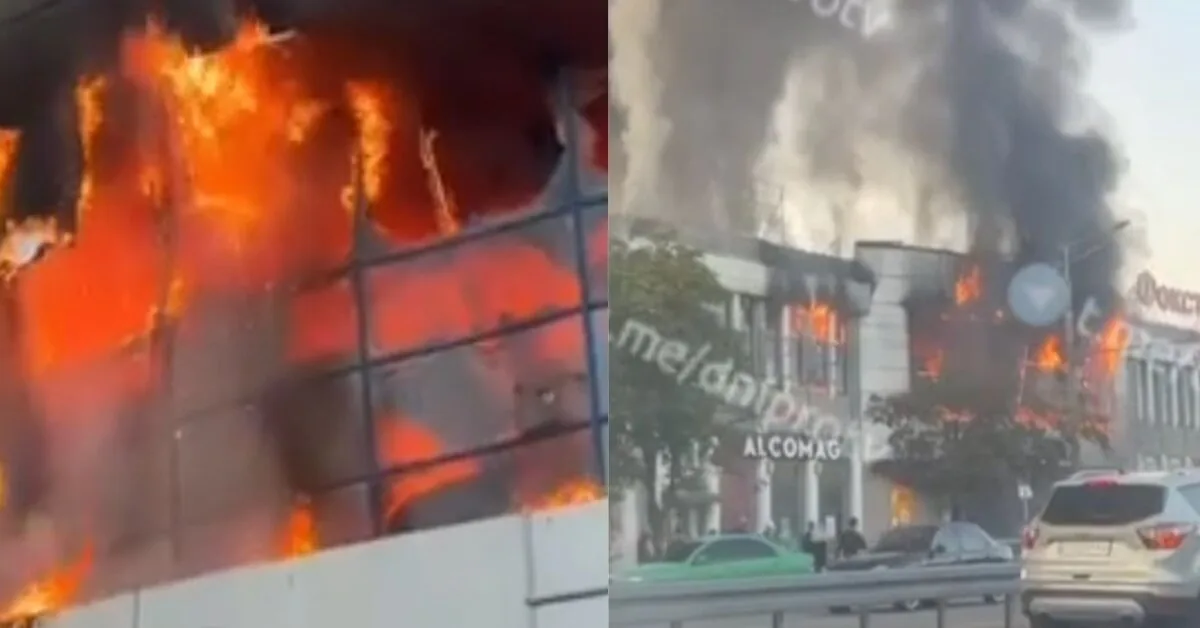
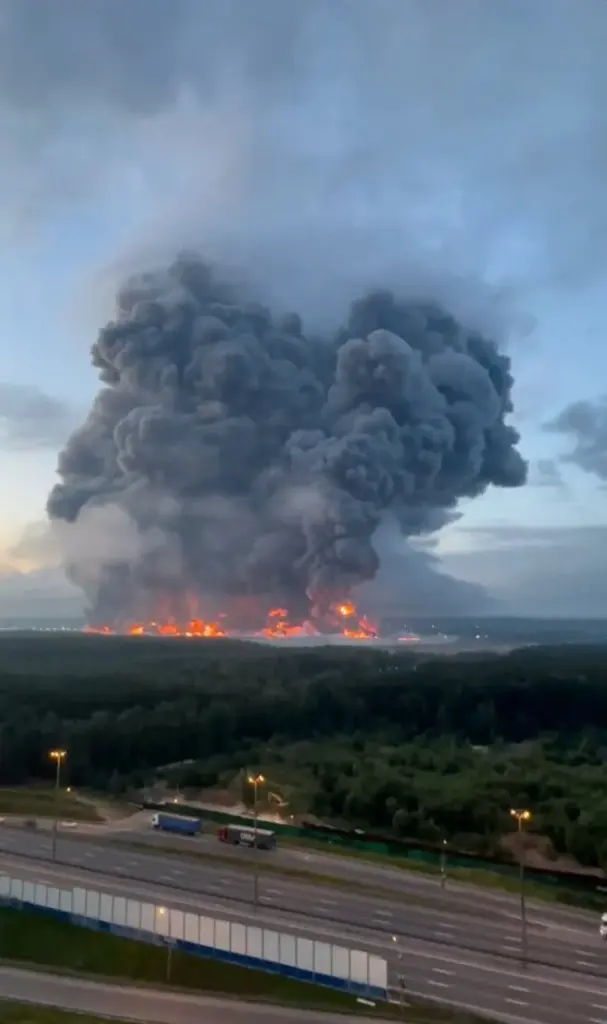
And the country’s cities were darkened by precise Ukrainian strikes on oil refineries and the Russian “Amazon” giants of online retail, Wildberries and Ozon. As if that were not enough, kilometer-long lines reappeared at gas stations in Russia, and rumors of a new wave of mobilization in September have some Russians grumbling, while others are fleeing.
Read more Stopped only for water: while waiting for the bus, a woman from Kaunas won 427,312 euros
Another “black August”?
Exiled Russian commentator Ilya Varlamov told CNN journalists that recurring historical failures in August are “of course, a coincidence.”
However, he continued, many Russians await August with anxiety.
“Especially now, when the country is truly in crisis. … Chaos over fuel has started again, prices are rising and show no sign of stopping, the ruble is falling, elections are approaching, and God knows what else,” Varlamov explained.

He also pointed to recently revealed remarks by a high-ranking Russian economic expert who warned that Moscow faces a “social crisis” and that it “is losing both technological and economic competition globally.”
Even the Kremlin-friendly and loyal tabloid Moskovsky Komsomolets noted the traditional anxiety and fear that accompany August.
But despite worrying speculations, Kremlin master Vladimir Putin radiates his usual confidence.
A week ago, speaking about infrastructure and development projects, the Kremlin leader acknowledged the economic damage Ukraine caused by striking the warehouses of the e-commerce giant Wildberries, although he did not mention the company by name, but downplayed the long-term impact of these strikes.
“Of course, these attacks will not have, do not cause, and cannot cause any critical consequences,” he said. “True, they cause damage – that is obvious, and we understand, see, and know that.”
According to the Kremlin master, these logistics facilities will be rebuilt with government support. But the war is rapidly approaching many Russian homes and hitting wallets directly.
Read more South Korea, the US, and Japan will hold joint military exercises