A cozy shelter from the autumn wind and rain in the museum spaces will offer visitors imagination-stirring experiences. The art and education festival EDUFESTAS, taking place at the beginning of the season, will reveal how many different and engaging ways a museum can offer to experience art, while the impressions of the exhibitions will be expanded by the latest publications.
Read more LTOU revenue in the first half of the year grew to 37 million euros, EBITDA – to 12 million euros
“Although autumn is often imagined as a gloomy time of year, in the LNDM exhibition halls it will reveal itself as incredibly colorful – full of different periods, diverse geography, and human experiences. This season’s exhibitions will invite a look into personal and collective memory, societal turning points, and the human connection with place, nature, and material. I believe that every visitor will find their own shade of autumn here and the opportunity to experience art not only with their eyes but also with their thoughts, imagination, or even touch,” says Dr. Arūnas Gelūnas, General Director of LNDM.
In September – ideas of young creators, returning masterpieces, woven happiness, and EDUFESTAS
The autumn season will begin on September 10 with the exhibition of the “Young Designer’s Prize” competition, organized for the sixteenth time by the Vilnius Academy of Arts. Until October 4, it will showcase the creative searches of 15 of this year’s most promising design graduates.
On September 17, the Applied Arts and Design Museum will open the exhibition “Feliksas Jakubauskas (1949–2025). The Happiness of Weaving,” covering more than four decades of the renowned textile artist’s work. Visitors will see in the exhibited tapestries combinations of figures born in the artist’s imagination – his favorite squares, triangles, pyramids, fans, straight and diagonal lines. Their rhythm will remind one of musical sounds, and the harmony of the compositions – verses of poetry. The exhibition will also feature workshop fragments – moments of weaving frozen in time as seen and recorded by the artist himself.
On September 19–20, the courtyard of the Chodkiewicz Palace will once again become an open art and creativity space – hosting the free education festival EDUFESTAS. Visitors of all ages will find creative workshops, artistic experiments, and the opportunity to get acquainted with the educational practices and creative methods of different LNDM museums. Participants will discover the museum as an open and lively cultural space, hiding many different and engaging ways to experience art.

On September 22, the beloved Masterpiece Room will return to the Radvilos Palace Art Museum. The interdisciplinary experience created by art historians and artists will allow visitors to immerse themselves in the context of artworks and, undisturbed by external sounds, images, or other visitors, spend time with them face to face. The Masterpiece Room will again exhibit portraits of St. Luke and St. Matthew by Frans Hals, one of the most famous portraitists of the Dutch Golden Age. At the start of the large-scale war in Ukraine, these works were brought to Lithuania from the Odessa Museum of Western and Eastern Art.

By the seaside – a chapel of memory and endless summer, in Vilnius – Bauhaus ideas and echoes of New York
On September 23, the Palanga Amber Museum will host the exhibition “Chapel of Memory. The Sun Above the Cabbage Field” by well-known conceptual sculptor Andrius Erminas, continuing explorations of personal and collective memory, place, and identity. In the project specially created for the museum spaces, cabbage leaves will serve as a reference to the myth of birth and beginning. Transforming everyday industrial materials into sculptural symbols, the artist will combine the historical context of the building and personal childhood memories into a unique archive of memory.

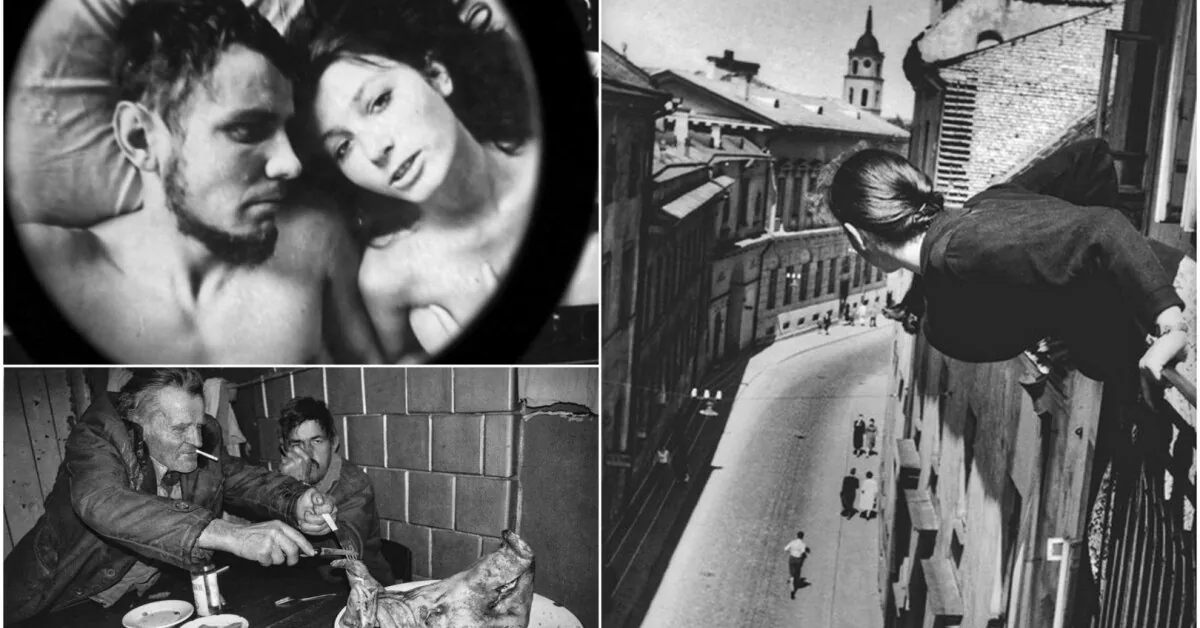
On October 8, the Pranas Domšaitis Gallery will brighten autumn evenings with an exhibition of American photographer Andy Sweet (1953–1982), who grew up in Miami Beach. In his color photographs, he captured the “world’s capital of sun and joy” and the social upheavals occurring there – Jewish traditions woven into American everyday life, the emerging LGBT+ community, racial and ethnic segregation. The irony-filled photographs go beyond the surface of tanned bodies, revealing a desire to belong to a community and a fear of impermanence. The photographer, who looked at his subjects with tenderness, created an ode to his beloved city – a place where summer seems never to end.
On October 9, the National Gallery of Art will open an exhibition reviewing the life and professional journey of architect Vladas Švipa (1900–1965). The only Lithuanian who studied at the Bauhaus and later developed ideas of rational planning in Kaunas, he experienced the fate of a war refugee in a displaced persons (DP) camp in Germany and the adaptation of an emigrant in New York. This is not only a personal biography but also a transnational story of the professional migration of a modernist architect, evolving under changing political regimes and historical turning points.
From October 14 to 16, the Vilnius Picture Gallery will host the international conference “The Same, Only Different: Copy, Print, and Forgery in Visual Art.” The phenomenon of copies will be examined critically and interdisciplinarily, revealing its meanings in different cultural, social, and political contexts – from workshop practices and learning by following others’ creations to contemporary issues of attribution, expertise, the art market, and legal regulation.
Read more Expensive diesel: how will the price per liter change in 2027 just because of taxes?
In the Radvilos Palace – alchemical transformations and art at your fingertips
On October 15, the exhibition “Sulfur, Salt, and Mercury” will open at the Radvilos Palace Art Museum, shaped using the principles of alchemical thinking. In the Middle Ages and Renaissance, alchemy flourished in manors and palaces, aiming to turn base metals into silver or gold and create the elixir of immortality, but its essence lay in spiritual transformation and material change. In the exhibition, sulfur, salt, and mercury will symbolize not separate materials but the very potential for transformation. Alchemy will become an interpretive tool to talk about transformations of matter, nature, body, and consciousness.
On October 22, the Radvilos Palace will open the exhibition “Touchable,” providing conditions to experience the work of one of Lithuania’s most prominent sculptors – Lithuanian National Prize laureate Leonas Strioga – not only visually but also tactilely. The artist’s works are especially suitable for hand experience. Over a long creative career, he worked with various materials – stone, marble, granite, plaster, metal, terracotta, wood, and others. By touching their different surfaces, feeling textures, temperature, and shapes, visitors will be able to experience how the materiality of the work changes its perception.
The autumn program of the Radvilos Palace Art Museum will also be supplemented by festival exhibitions. In the interactive exhibition “NK-INTERACTIVE” of the “Uncomfortable Cinema” festival, visitors will be able to immerse themselves in augmented reality works by Lithuanian and foreign creators, and on November 5, the museum will open the exhibition of the mental health arts festival “Connections.”
The allure of the sea, parallels of ceramics and the fragility of memory
On October 29, the Vytautas Kasiulis Art Museum will open the first exhibition reviewing the entire artistic legacy of Irena and Joanna Karpińska. It will symbolically return two interwar Vilnius-born creators to their youthful environment, who did not forget the city of their studies and maintained connections with the people they met there. It is hoped that this detailed acquaintance with the Karpińskas’ work will be an important step in adding little-known names, facts, and works to the newly written chapter of women’s art history.

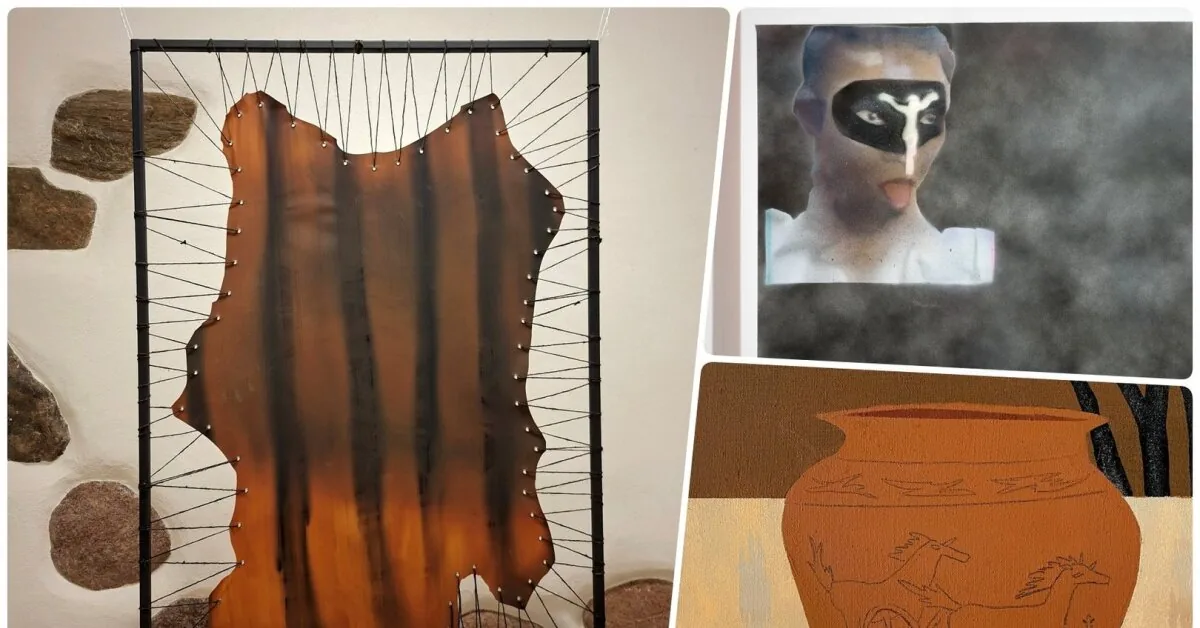
On November 12, the Applied Arts and Design Museum will open the ceramics exhibition “Sober Guys” by Rokas Dovydėnas, presenting an installation made from more than 200 vases, speaking about the vulnerability, fragility, and at the same time strength of society (and ceramics). Clay is a paradoxical material: under suitable conditions, it can last thousands of years as an archaeological testimony, but fired ceramics can shatter instantly from the slightest impact. This tension between permanence and vulnerability becomes an important metaphor of the exhibition, speaking about humans, society, and the world we live in – unstable, constantly changing, and full of uncertainty.
On November 19, the Pranas Domšaitis Gallery will open the exhibition “The Sea Tempts,” curated by Arūnas Gelūnas, where visitors will be able to explore the relationship of Lithuanian society with the sea across different periods. From the mythological, chaotic, and threatening element and storm-tossed ships to a space of rest, bodily freedom, light, and personal experience – the exhibition will reveal how the image of the sea in European art has changed over several centuries. The exhibition will include works by Lithuanian and Western European painters from the collections of the Lithuanian National Art Museum and other Lithuanian museums, supplemented by graphics, photography, sculptures, design and contemporary art objects, and unique maritime instruments from the Lithuanian Sea Museum collections.
On November 26, the Clock Museum will open the exhibition “Echoes of Time. Portraits of Lithuanian Memory” by photographer Gianluca Sodaro, focusing on Lithuanian seniors – people whose faces and lives preserve the country’s history. Although most of them remained on the margins of major historical narratives, their experiences testify to societal turning points, hardships, and everyday changes. The portraits captured by the photographer will remind us that history is created not only by famous personalities but also by many participants who are invisible at first glance.
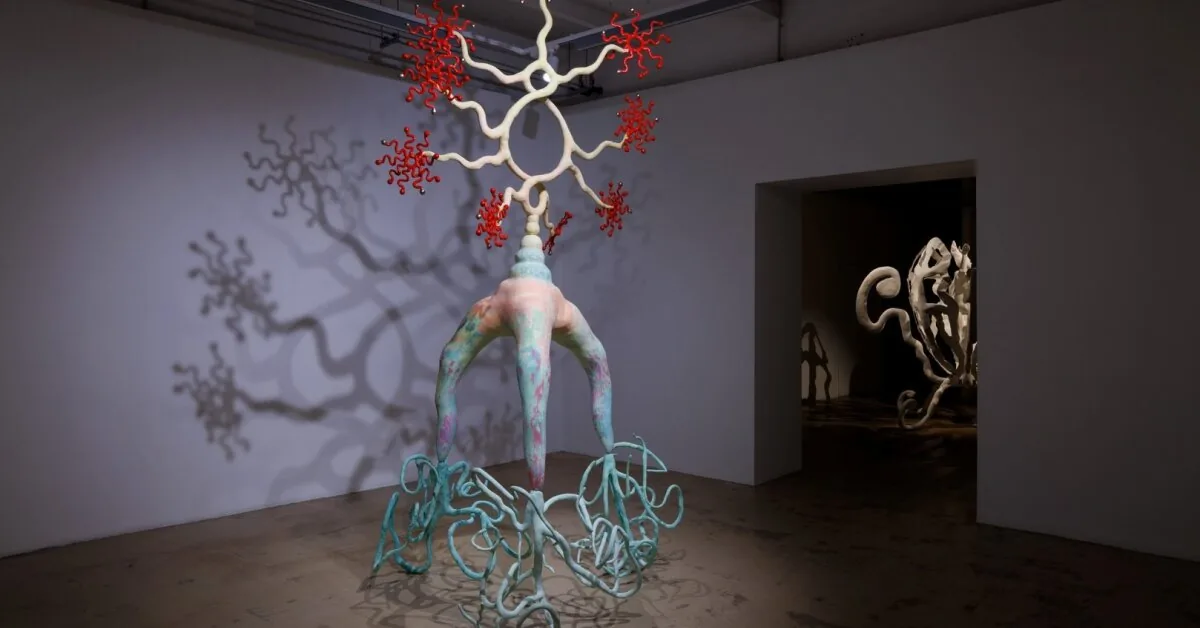
In autumn, visitors will also have the last chances to visit exhibitions organized abroad by LNDM together with international partners. Until October 4, Aleksandra Kasuba’s exhibition “Habitats for the Senses” will be on view at the Tate St Ives gallery in the United Kingdom, and until November 22, Eglė Budvytytė’s project “live live-ta” will be shown at the Lithuanian Pavilion at the Venice Art Biennale, along with the exhibition “Fire over the Tiber: Rome through the Eyes of Kanutas Ruseckas” at the Castel Sant’Angelo in Rome.
The acquaintance with the exhibitions opening in autumn will not end in the exhibition halls. Their themes will be further revealed by the latest LNDM publications, tours, educational activities, and creative workshops for visitors of all ages. More information about the exhibitions and accompanying events is published on the LNDM website and social networks.
Read more Sviatlana Cichanouskaja: now is not the time to ease sanctions on Aliaksandr Lukashenko