For the first time during the entire invasion of Ukraine, half of Russian citizens no longer consider Vladimir Putin’s “special military operation” (SMO) successful, according to a survey by the Levada Center.
Read more Putin afraid? Almost no longer appears in European Russia
In July 2026, only 8% of respondents called V. Putin’s SMO “very successful” – the lowest figure in more than four years of research. The same number (8%) called it “completely unsuccessful,” 20% “rather unsuccessful,” and 22% “did not know what to answer.” The latter number has never been this high during the entire survey period, notes The Moscow Times.
At the same time, the share of respondents who were not afraid to tell sociologists that they “rather do not support” or “completely do not support” the actions of the Russian armed forces in Ukraine reached 21% – this is also a wartime record. The share of those who “completely” support the war fell to 34%, although in the first month of the invasion it exceeded half, and last year it never fell below 40%.
They wanted a peaceful life without explosions and killings
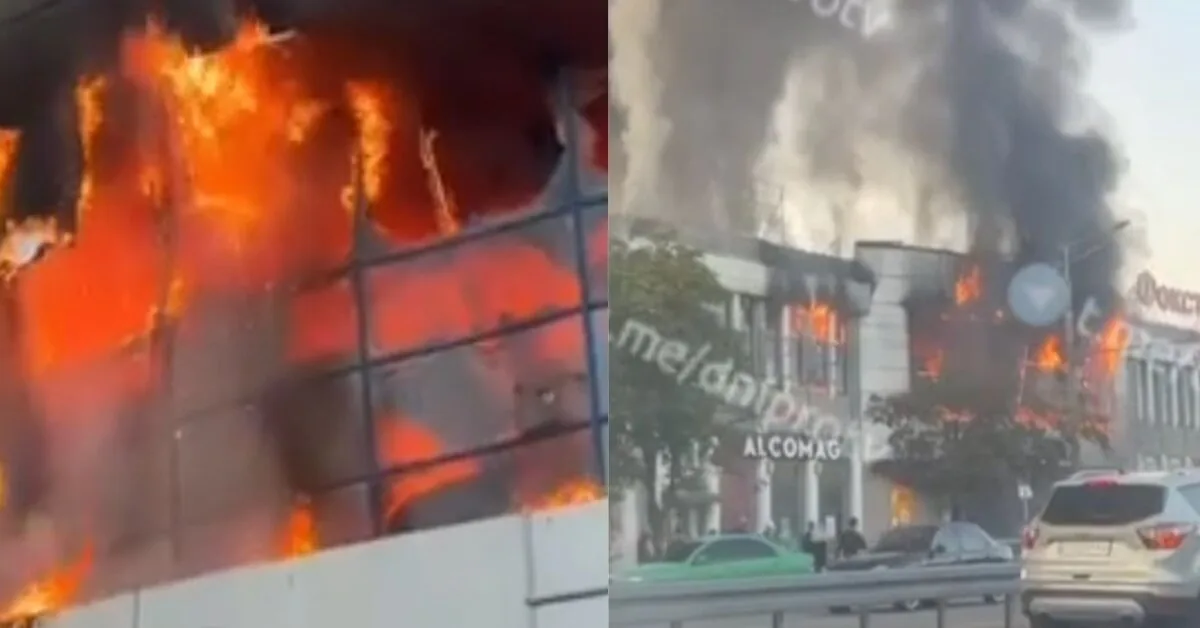
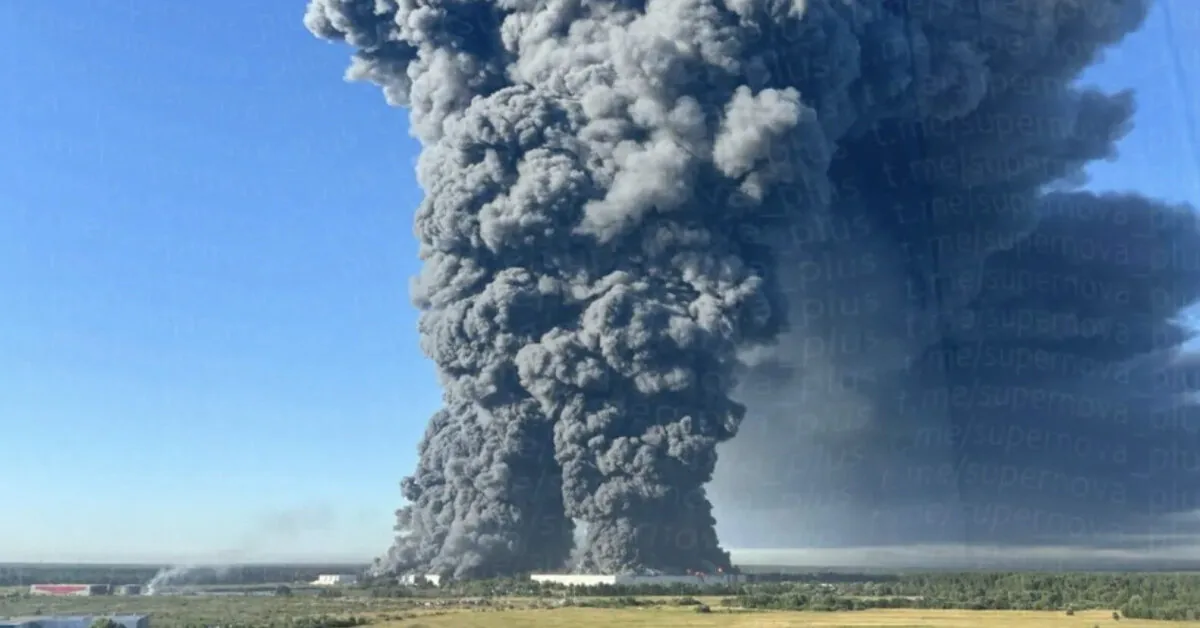
A series of Ukrainian strikes, initially targeting oil refineries and later the main logistics centers of Russian marketplaces, shifted the war to the civilian economy, raising questions for which the authorities were unprepared to answer, notes Tatiana Stanovaya, founder of R.Politik.
The main motivation of the electorate, which a quarter of a century ago prompted people to massively vote for V. Putin, was the need for security, a peaceful life without explosions and killings, without collapsing houses and burning cities, notes political scientist Abbas Gallyamov.
Read more Russia called the drone with explosives at the German airport a «staged provocation»
However, V. Putin has moved from promises of security to its complete destruction, notes A. Gallyamov: “In today’s Russia, no one can feel safe – neither a general going to a restaurant to celebrate his anniversary; nor a vacationer finally heading to the beach in Gelendzhik; nor a resident near Moscow sleeping peacefully in their bed during a nighttime drone attack; nor a ‘Wildberries’ warehouse worker.”
This creates a growing sense of uncertainty and anxiety in the public consciousness. “The country is less and less convinced that its soldiers will be able to win, and that V. Putin has a realistic plan,” write experts from the Carnegie Moscow Center for Russian and Eurasian Studies.
The Kremlin is losing support in society, V. Putin’s ratings are falling, and people are becoming “poorer and angrier,” although the Kremlin is essentially protected from public dissatisfaction, they emphasize:
“The regime has sophisticated tools, including universal censorship laws, AI-based surveillance measures, and law enforcement agencies capable of suppressing any manifestations of aggression.”