Warmer weather and longer days encourage more frequent trips, weekend getaways, or spontaneous route planning outside the city. Although summer is usually a more favorable season for electric vehicles than winter, daily driver habits have a significant impact on energy consumption. Antti Pulkkanen, Head of Charging Services at Neste, says that a few simple solutions can help electric vehicles run more efficiently, comfortably, and economically in the summer.
Read more Česlovas Kudaba Award presented to landscape geographer Giedrė Godienė
“In summer, electric vehicles usually operate very efficiently, but heat, intensive air conditioning use, additional weight, or thoughtless charging can increase electricity consumption and the price paid for electricity. Drivers can control a large part of these factors themselves,” says A. Pulkkanen.
Cool your car thoughtfully
On hot days, the interior of a parked car can quickly heat up, so the climate control system has to work more intensively when starting a journey. This also means higher energy consumption. According to A. Pulkkanen, one of the simplest ways to avoid this is to park the car in the shade or use sunshades.
“Before starting to drive, it’s worth ventilating the interior briefly – opening the doors or the trunk to let out the accumulated heat. Then the air conditioner has a lower load, and battery energy is used more efficiently,” says the Head of Charging Services at Neste.
It is also important to assess when to use the air conditioner and when it is enough to open the windows. When driving in the city or for short distances, natural ventilation is sometimes sufficient, but at higher speeds, open windows worsen the car’s aerodynamics. In such a case, it is more efficient to use climate control with closed windows. A. Pulkkanen reminds that this is also a matter of safety.
Check tires and don’t overload the car unnecessarily
One of the simplest ways to reduce electricity consumption is to regularly check tire pressure. If it is too low, rolling resistance increases, so the car needs more energy to move. Proper pressure also improves car stability and reduces tire wear.
“Checking tire pressure is a small but important habit. It helps not only save energy but also ensures a smoother and safer ride. This is relevant not only for electric vehicle drivers but for all car drivers,” notes A. Pulkkanen.
Read more In Alytus, a car driven by an elderly man hit a pedestrian; she did not survive
In summer, drivers often carry more items – sports equipment, travel bags, bicycle racks, or roof boxes. All of this increases the car’s weight and worsens aerodynamics, which can lead to increased energy consumption. After trips, it is worth removing unnecessary items and taking off roof boxes or racks if they are not used daily.
Plan your route and drive smoothly
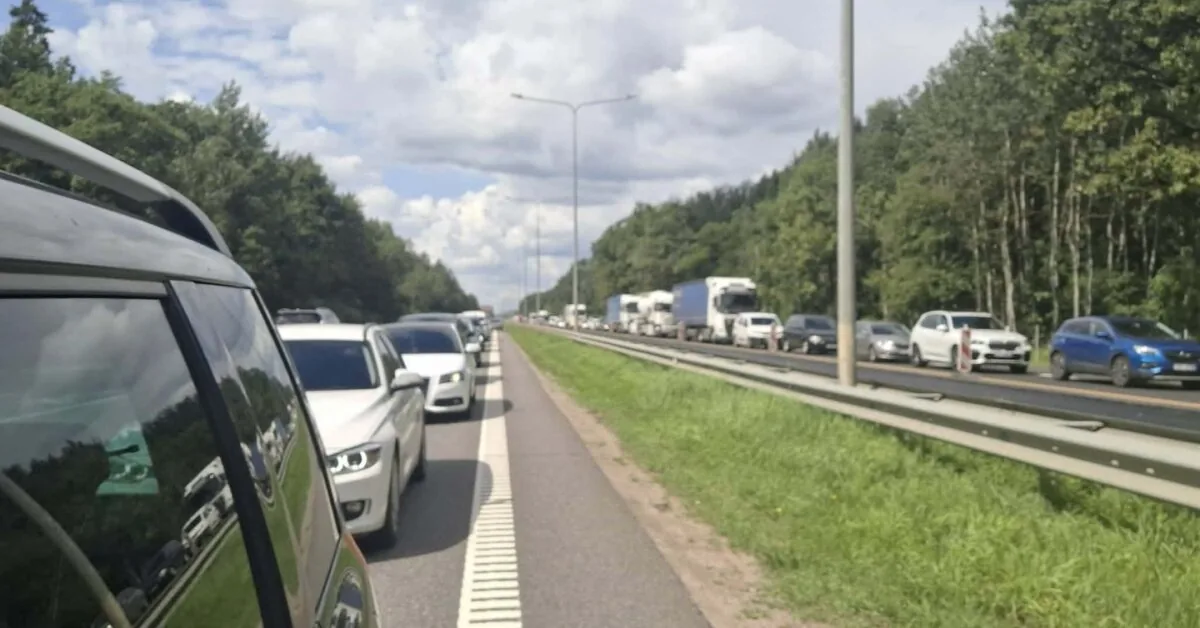
For longer summer trips, it is important to plan your route in advance. Many modern electric vehicles allow you to assess distance, traffic intensity, battery charge level, and charging stations. This helps avoid unnecessary detours, traffic jams, or unplanned stops.
“In summer, traffic to the coast, resorts, or other recreational areas is often more intense. A pre-planned route allows for a better assessment of energy needs and the selection of the most convenient charging locations,” says A. Pulkkanen.
Driving style is no less important. Consistent speed, avoiding sudden accelerations, and smart use of energy recuperation help utilize the battery more efficiently. When planning a longer trip, it is also worth keeping a small energy reserve, especially if traveling to remote areas.
Charge your car at the right time
Efficient use of an electric vehicle depends not only on driving but also on charging habits. For daily commutes, it is often recommended to maintain the battery charge in the approximately 20–80% range, avoiding constant full discharge or long-term storage at 100% charge. This habit helps reduce battery load and contributes to its longevity.
“Thoughtful charging not only helps preserve the battery but also optimizes costs. For example, Neste MY Renewable Charge stations apply a special night tariff, allowing electric vehicles to be charged more economically during evening and night hours,” says A. Pulkkanen.
According to him, in summer, when drivers travel more often in the evenings or on weekends, charging planning becomes even more relevant. By choosing the right time and charging location, convenience, travel needs, and lower operating costs can be balanced.
Read more Tension in space: astronauts ordered to prepare for evacuation from the International Space Station